








What Stress Can Do To Your Child (And How to Act on It)
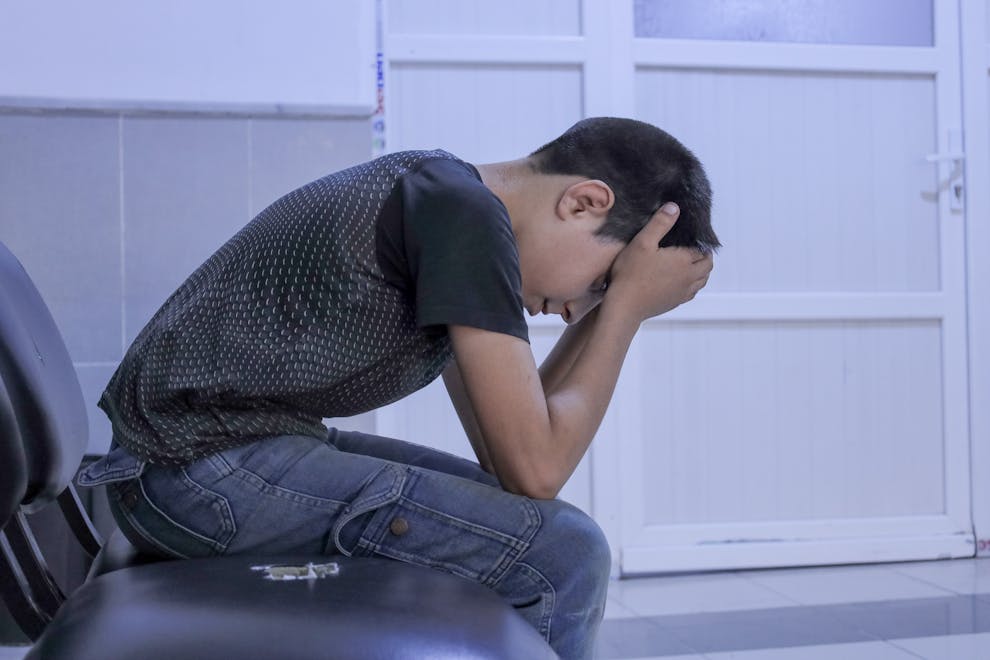
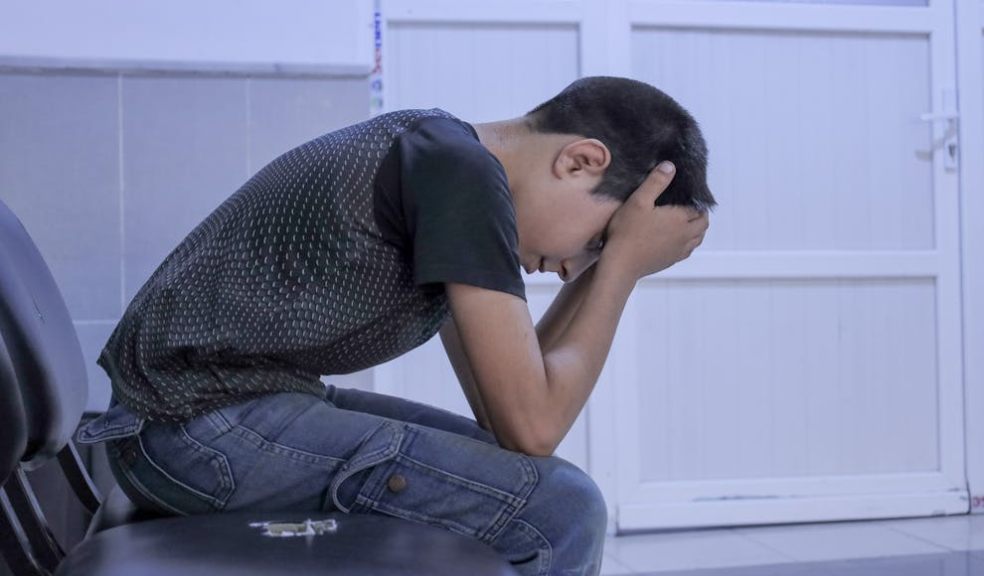
Stress is often thought of as an adult problem, but children can experience stress, too. School pressures, social challenges, family changes, and even busy schedules can all contribute to feelings of anxiety and overwhelm. While some stress is a normal part of growing up, prolonged or excessive stress can affect a child's emotional, physical, and behavioural wellbeing.
Understanding how stress can impact your child is the first step towards helping them manage it effectively. By recognising the signs early and providing the right support, parents can help their children build resilience and maintain their overall health.
Emotional Changes
One of the most common effects of stress in children is a change in their emotions. A child who is struggling may become more irritable, anxious, tearful, or withdrawn than usual. Younger children may not always have the vocabulary to explain how they feel, so emotional distress can sometimes appear as mood swings or sudden outbursts. Older children may become quieter or spend less time engaging in activities they normally enjoy.
Creating an open environment where children feel comfortable discussing their feelings can make a significant difference. Listening without judgement and offering reassurance can help them feel supported during difficult periods.
Behavioural Signs of Stress
Stress often reveals itself through changes in behaviour. Children who are feeling overwhelmed may have trouble concentrating, become unusually clingy, or experience difficulties at school. Some children may display frustration more easily, while others may avoid social situations or struggle with confidence. Changes in sleeping patterns or eating habits can also indicate that a child is dealing with stress. Paying attention to these behavioural changes allows parents to identify potential concerns before they become more serious and act on them by creating opportunities for open conversation. Children are often more willing to talk when they do not feel pressured, so casual discussions during activities such as walking, drawing, or playing together can help them express their feelings more comfortably.
Physical Symptoms Can Develop
Stress affects more than just the mind. It can also have noticeable physical effects on a child's body. Headaches, stomach aches, fatigue, and muscle tension are common complaints among children experiencing ongoing stress. In some cases, stress can also contribute to skin flare-ups. Children who are prone to eczema may find that stressful situations trigger or worsen symptoms, including eczema on the feet. When this happens, reducing stress levels is important, but practical measures can also help improve comfort. Choosing the best socks for eczema can reduce irritation by providing soft, breathable protection for sensitive skin, helping to minimise discomfort during flare-ups. Addressing both the emotional and physical aspects of stress can support a child's overall well-being more effectively.
Sleep Can Be Affected
Stress often disrupts sleep, which can create a cycle that makes other symptoms worse. Children who are worried or anxious may struggle to fall asleep, wake during the night, or experience restless sleep. Poor sleep can affect concentration, mood, and energy levels, making it harder for children to cope with everyday challenges. Establishing a calming bedtime routine, limiting screen time before bed, and encouraging relaxation techniques can help improve sleep quality and reduce stress levels.
Building Healthy Coping Strategies
Teaching children how to manage stress is one of the most valuable skills parents can provide. Healthy coping strategies help children process difficult emotions and build resilience for the future. Physical activity is particularly beneficial, as exercise helps release tension and improve mood, but creative activities such as drawing, writing, music, or crafts can also provide positive outlets for emotional expression.
Helping Your Child Thrive
Stress is a normal part of life, but when it becomes overwhelming, it can affect a child's emotional, behavioural, and physical health. By recognising the signs, encouraging open communication, and promoting healthy coping mechanisms, parents can help their children navigate stressful situations more confidently.
With the right support and understanding, children can learn to manage stress in a healthy way, allowing them to grow, develop, and thrive both now and in the future.