









How to Encourage Independence Safely at Every Age
Parenting is the only job where the ultimate aim is to be made redundant. You spend years holding a child close, only to spend the next decade slowly loosening your grip. The objective is to raise an adult who can stand on their own two feet, make sensible decisions, and function without you hovering over their shoulder. However, handing over the reins is rarely straightforward. It requires patience, nerve, and a scaffolded approach that respects the child’s current capabilities rather than just their age.
Start Small in the Early Years
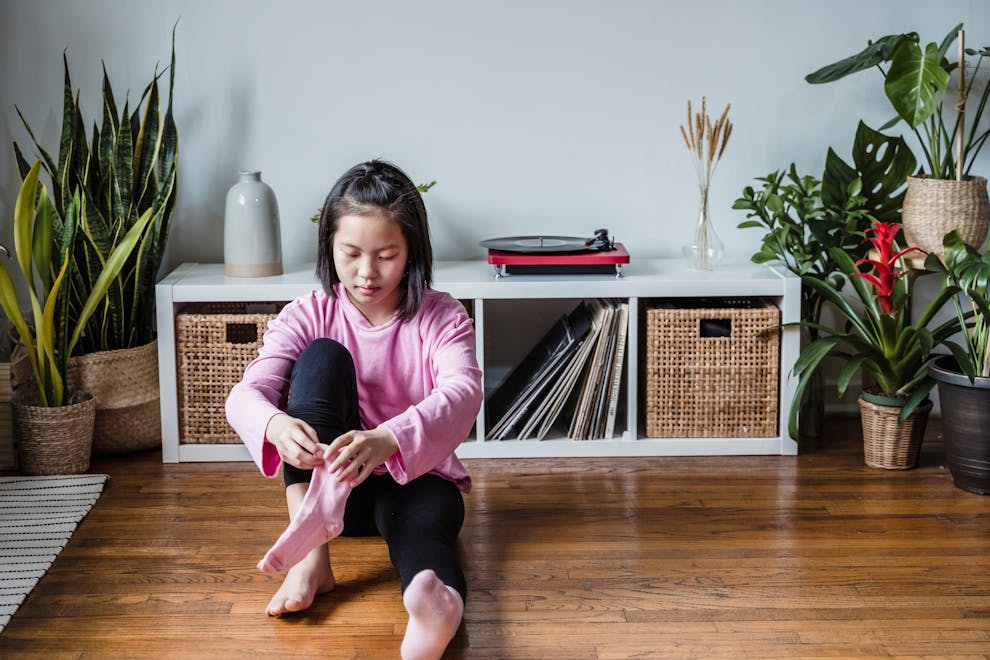
Autonomy starts long before a child asks to walk to the shops. In the toddler years, independence looks like putting on a coat or choosing a snack. These tasks might take three times longer than if you did them yourself, but the delay is an investment. Let them struggle with the zip. Let them put their shoes on the wrong feet occasionally.
For foster children, these minor choices are profound. Many have come from environments where they had no control over their lives. By allowing them to decide between the red cup or the blue cup, you aren’t just teaching decision-making; you are rebuilding a sense of safety and agency.
Expand the Boundaries for School Children
Once school starts, the world gets bigger. This is when you might introduce the concept of walking to a friend’s house or managing pocket money. Preparation is your best tool here. Walk the route together until the landmarks are familiar. Discuss the "what ifs". What if a stranger approaches? What if you get lost?
Foster carers looking after children with Clifford House Fostering must be particularly attuned to developmental delays here. A ten-year-old who has suffered neglect might have the emotional maturity of a much younger child. You cannot determine readiness by looking at a birth certificate. If they aren't ready to cross the road alone, they aren't ready, regardless of what their classmates are doing.
The Teenage Training Ground
Adolescence is where the stakes get higher. Teenagers need to master public transport, cooking, and time management. This phase shifts from supervision to negotiation. Instead of dictating every move, agree on the parameters. They can go into town, but they must text when they arrive.
If they fail to text or break a curfew, the freedom is retracted temporarily. This isn't punishment for the sake of it; it demonstrates that liberty is earned through reliability. They learn that trust is a currency they have to maintain.
Specific Challenges for Carers
Children who have experienced trauma often display "pseudo-independence." They might reject help, claiming they can handle everything alone because relying on adults has historically been unsafe. This is a survival mechanism, not true maturity. Foster carers often have to do the counter-intuitive work of teaching these children how to be dependent again, how to ask for help and trust that it will be given. Conversely, some may have missed early life skills and need patient, remedial teaching on basics like hygiene or food preparation.
Encouraging a child to leave the nest is a balancing act. You want to protect them from serious harm while allowing them enough space to graze their knees. Whether you are a birth parent or a foster carer, the mission is identical. You are equipping them with the skills to survive the world, ensuring that when they eventually let go of your hand, they are ready to walk forward alone.