








Why Paper Shredding is Essential for Healthcare Businesses in the UK & Ireland
Healthcare providers operate in one of the most sensitive and highly regulated sectors. Hospitals, GP surgeries, dental practices, pharmacies, nursing homes, and private clinics handle enormous volumes of confidential information every day. From patient medical histories and prescriptions to staff records and financial documents, the data stored on paper is both personal and highly valuable. In the UK and Ireland, healthcare organisations face strict legal obligations to protect this information from misuse, loss, or unauthorised access.
Given the high level of risk associated with mishandled documents, paper shredding has become an essential practice. It not only helps healthcare providers comply with data protection laws but also strengthens patient trust and protects the organisation from costly penalties. This read explores why secure paper shredding is vital for healthcare businesses and how professional services support a safe and compliant working environment.
1. Protecting Highly Sensitive Patient Information
Healthcare organisations deal with some of the most sensitive personal data imaginable. Patient records contain medical histories, diagnoses, treatment plans, insurance details, and identifying information. If these documents fall into the wrong hands, the consequences can be devastating—ranging from identity theft and fraud to the unauthorised disclosure of private medical details.
By shredding documents effectively, healthcare providers ensure that sensitive information is permanently destroyed. In a sector where patient confidentiality is fundamental, safe disposal methods help prevent breaches that could damage both individuals and the reputation of the practice.
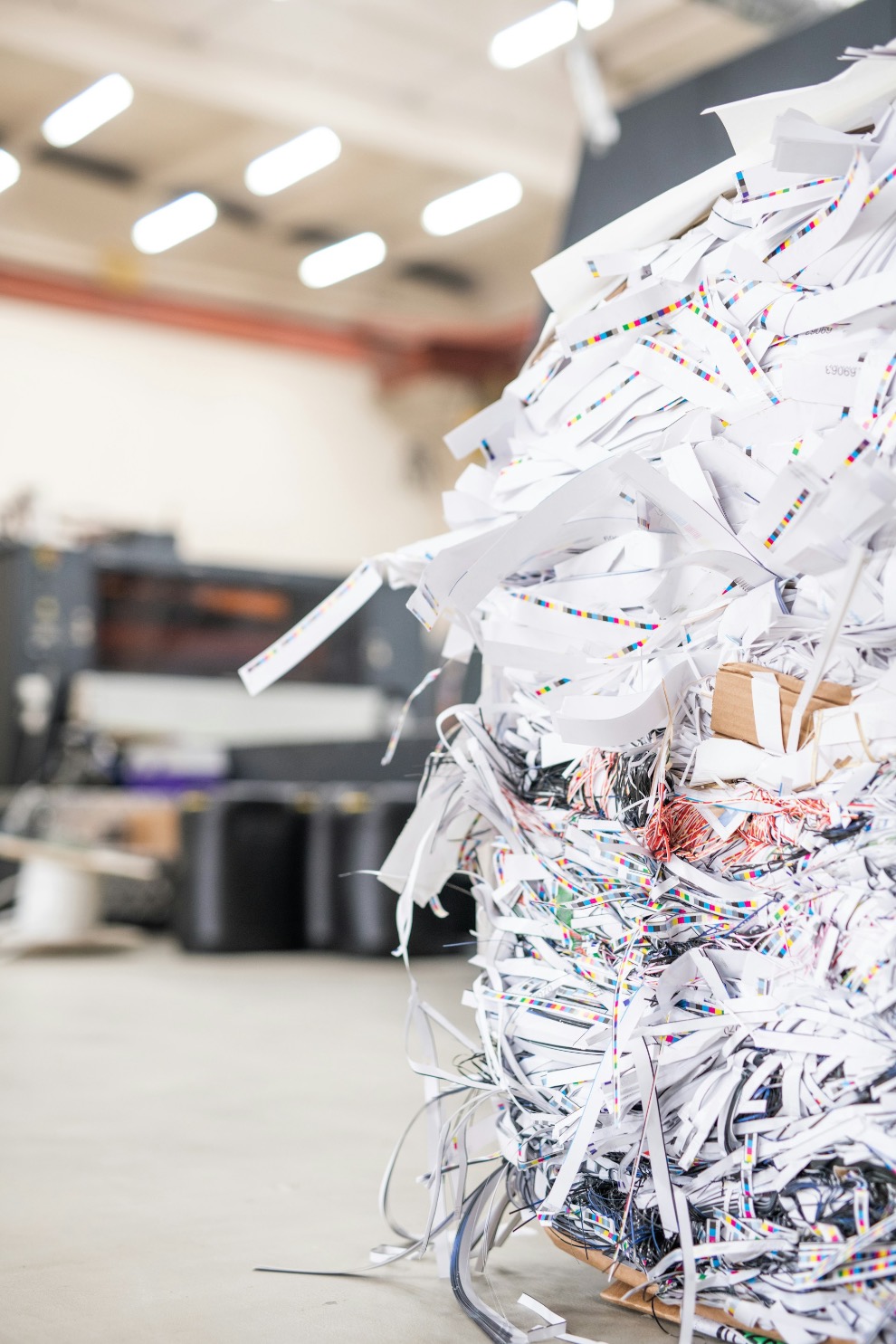
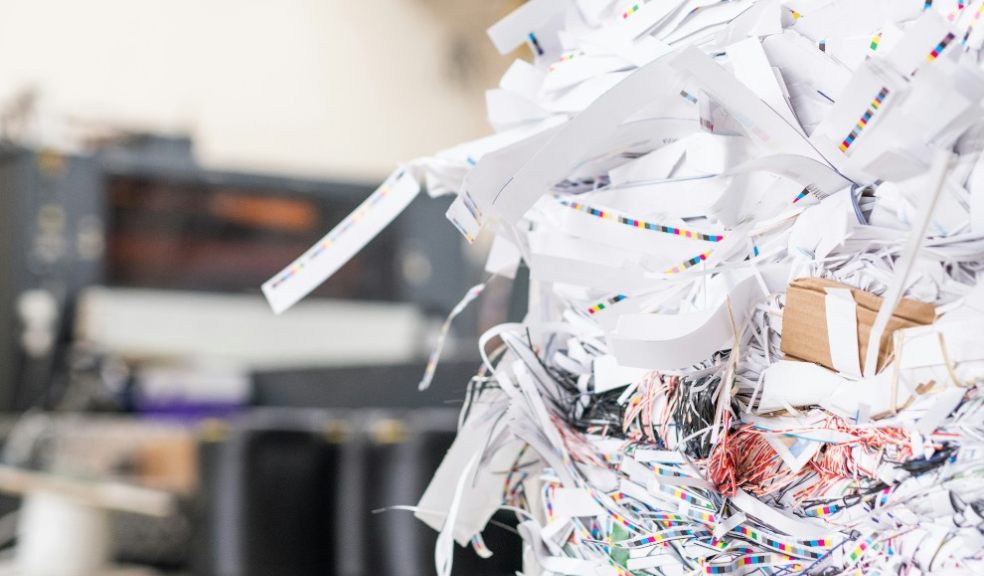
Professional shredding services use high-security equipment capable of reducing documents to tiny, unreadable particles. This makes it impossible for anyone to reconstruct the original information, providing a much higher level of protection than standard office shredders.
2. Compliance with UK and Irish Data Protection Laws
Healthcare organisations must comply with stringent data protection regulations, including the UK GDPR, the Data Protection Act 2018, and the Irish Data Protection Act 2018. Both the UK and Ireland also operate under strict guidelines set by healthcare regulators such as the Care Quality Commission (CQC) in the UK and the Health Information and Quality Authority (HIQA) in Ireland.
These laws require healthcare providers to:
- Protect all personal data from unauthorised access
- Store data safely and securely
- Dispose of data responsibly when it’s no longer needed
Failure to meet these obligations can result in severe fines and legal consequences. Regulators take data breaches in healthcare extremely seriously due to the sensitive nature of the information involved.
Paper shredding plays a central role in compliance because it ensures that documents containing personal or medical data are destroyed securely. Many professional shredding companies also provide certificates of destruction, which act as proof that disposal has been carried out in accordance with legal requirements. This documentation is invaluable during inspections, audits, or investigations.
3. Reducing the Risk of Data Breaches
Data breaches can occur in many ways, but mishandled paper documents remain a major and often overlooked cause. Files left on desks, thrown into regular bins, or stored in unlocked cabinets pose significant risks. Even a single misplaced document can lead to a reportable breach under data protection regulations.
Paper shredding reduces this risk dramatically by ensuring all paperwork is destroyed before it can be accessed, misplaced, or stolen. Whether dealing with old patient files, expired prescriptions, appointment schedules, or internal memos, shredding ensures the information is completely inaccessible once it leaves the organisation.
Furthermore, outsourcing shredding to a professional service like allstarshredding.ie, eliminates the possibility of human error within the workplace. Documents go straight from the secure collection point into locked bins or consoles, and from there, they are transported to a secure shredding facility. This closed-loop process minimises the potential for breaches.
4. Managing the Growing Volume of Paperwork
Despite the increasing use of digital systems, healthcare organisations still rely heavily on paper documentation. New patient forms, handwritten notes, test results, and referral letters continue to accumulate every day. Without a proper disposal system, paper clutter can quickly overwhelm storage areas and become a safety hazard.
A structured shredding process helps healthcare providers manage these high volumes efficiently. Regular collections by a shredding service ensure that documents don’t pile up, freeing up valuable space in offices and storage rooms. It also prevents the common issue of outdated files lingering in the workplace long after they should have been destroyed.
5. Supporting Environmental Sustainability
Many healthcare organisations prioritise sustainability, and paper shredding supports this goal. Most professional shredding companies in the UK and Ireland recycle the shredded paper, turning it into new products such as tissue paper and cardboard.
By choosing a certified shredding provider, healthcare businesses can dispose of confidential waste responsibly while reducing their environmental impact. This helps organisations meet sustainability targets and demonstrate their commitment to eco-friendly practices.
6. Preventing Identity Theft and Fraud
Healthcare documents are prime targets for criminals seeking personal information. Identity theft is a growing threat, and paper records often contain enough detail for someone to commit fraud. Addresses, NHS or HSE numbers, insurance details, and financial information can all be exploited if not properly protected.
Shredding documents ensures that this valuable information cannot be retrieved or misused. For healthcare organisations, preventing identity theft is not just about protecting patients—it also protects staff and the organisation itself from fraudulent activities and financial losses.
7. Enhancing Patient Trust and Professional Reputation
Trust is at the heart of the patient–provider relationship. Patients expect their medical histories and personal data to be handled with discretion and professionalism. Any breach of this trust can have long-lasting consequences, damaging the reputation of the practice and discouraging potential patients.
Implementing strict shredding procedures demonstrates a commitment to privacy and responsibility. Patients are more likely to feel confident in an organisation that takes clear and visible steps to protect their information. This can positively influence patient satisfaction, loyalty, and the overall credibility of the healthcare provider.
8. Reducing Internal Workload and Improving Efficiency
Shredding documents in-house requires time, labour, and maintenance. Staff must sort papers, remove clips, and operate small office shredders that often jam or overheat. For busy healthcare environments, this is both impractical and costly. Outsourcing a confidential paper shredding service is also essential for office moves for healthcare companies.
Outsourcing shredding to a professional provider offers a more efficient solution. Staff can focus on patient care and administration while the shredding company handles the secure disposal. Scheduled collections and secure containers streamline the entire process, giving healthcare organisations a reliable system that saves time and improves workflow.
The Takeaway
Paper shredding is far more than a routine administrative task—it is a cornerstone of data protection for healthcare businesses in the UK and Ireland. With sensitive patient information at stake, healthcare providers must ensure that all documents are disposed of securely, efficiently, and in compliance with strict legal requirements.
By implementing a professional shredding system, healthcare organisations reduce the risk of data breaches, strengthen patient trust, support sustainability goals, and maintain a safe and organised working environment. In an industry where confidentiality is crucial, secure paper shredding is not just important—it is absolutely essential.
Gallery