









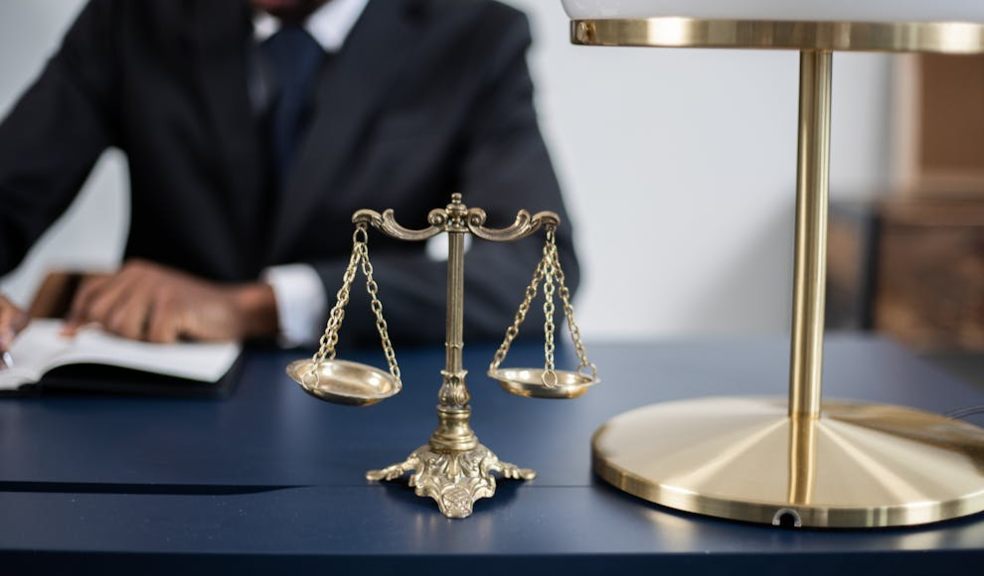
Understanding Different Types of Litigation Cases and the Role of Lawyers
Litigation comes on the scene when disputes cannot be settled out of the courtroom. Lawyers are central characters in providing advice to clients in the process through these channels. They analyse the facts and develop a strategy, manage evidence and represent interests at the court.
The awareness of the various forms of litigation and the purpose of an attorney enables people and companies to be adequately prepared. Legal clarity minimizes confusion and prevents rights abuses at any given phase of formal litigation efforts.
Major Types of Litigation Cases
Litigation encompasses several legal controversies involving personal and business issues. All types of cases have their own different procedures and legal responsibilities.
Civil Cases
Civil litigation determines a conflict of rights and obligations between individuals. These are usually property damage cases or compensation claims for personal injuries.
Commercial Cases
Business litigation deals with business-to-business disputes. This type of conflict mostly includes breach of contract, partnership shareholder disputes or contract agreements.
Criminal Cases
Criminal litigation constitutes the prosecution of people who have committed crimes. Law Courts establish guilt or innocence and sentence as per the evidence presented.
Employment Cases
Employment litigation deals with court cases involving employer and employee disputes over rights. The claims commonly surround wrongful termination, discrimination and unpaid wages or misconduct at the workplace.
Family Cases
Family litigation is concerned with disputes on marriage, divorce, custody or support. Parental duties, legal and financial considerations of children are established by the courts.
Property Cases
Property cases refer to the litigation that involves disputes related to property ownership. Property cases may include real estate contracts, leases, and property development.
Intellectual Property
Intellectual litigation ensures the intellectual protection of trademarks, patents, and any copyrighted material. Companies seek justice in situations when their creative or commercial rights are violated.
Administrative Cases
Administrative litigation is the type of litigation that involves cases between individuals and administrative bodies of the government. The courts scrutinize administrative decisions that relate to licenses and permits or the obligation to comply.
The Role of Lawyers in Litigation Cases
Litigation is a process that entails various complex procedures, which must be followed in a systematic legal way. Reputable law firms such as Summit Law LLP have the responsibility of handling and guiding businesses through the litigation process.
Case Review
Documents, evidence and legal claims that are introduced are thoroughly scrutinized by the lawyers. It is a preliminary examination of the strengths, weaknesses and realistic results before action can be taken.
Legal Strategy
Counsel develops premeditated legal plans based on the details of cases. Effective planning enhances bargaining power and makes court preparation much more potent.
Evidence Management
Legal professionals gather, arrange and maintain valuable supportive proofs attentively. Good documentation is a great boost to credibility and credible arguments in the court of law.
Risk Assessment
Lawyers evaluate financial risk and legal consequences. Proper risk analysis enables clients to make strategic decisions.
Negotiation Support
Lawyers can negotiate with other sides in order to reach objective solutions. Professional negotiation can be much cheaper in terms of time and mental effort.
Court Representation
Lawyers explain arguments in an understandable way to judges and other lawyers. Professional representation guarantees that all procedures are strictly observed and all rights are respected.
Procedural Compliance
Attorneys are meticulous about deadlines and court procedures. This helps avoid the consequences of inaccurate compliance - such as dismissal or procedural delays.
Judgment Enforcement
Enforcement of court orders is sought by lawyers after positive results are achieved. Enforcement makes sure the awarded remedies or compensation are secured.
Client Guidance
Attorneys are transparent about legal procedures, rights and responsibilities. This helps avoid confusion and maintains clients' confidence in the case.
Settlement Drafting
Lawyers draft transparent settlement contracts and guard the interests of the clients. Effective drafting discourages conflicts in the future and provides enforceable terms of resolutions.
Common Misconceptions About Litigation
Always Trial
Many people think that every case that goes to litigation always ends up in trial. The truth is, most cases are resolved through negotiation, settlement, or mediation before trial.
Instant Results
One would think that courts make fast judgments once claims have been made. Litigation is usually a process of various steps that take time and require proper preparation and adherence to procedures.
Guaranteed Victory
Sometimes, people believe that intense emotions can be a guarantee of success in the court. Cases are determined by courts in accordance with evidence, legal norms and organized arguments.
Too Expensive
It is a widespread opinion that litigation is always too costly to undertake. The cost is dependent on the complexity of cases, length and method of dispute resolution.
Lawyer Optional
It is believed by some that they can take on complicated litigation without the assistance of professionals. Guidance is required to protect against the strict deadlines and evidentiary requirements of legal procedures.
Conclusion
Litigation is misinterpreted and what informed counseling does is transform the whole process. Having positive expectations and professional assistance in the field of law, conflicts become systematized and oriented towards protection, transparency, and equitable results.