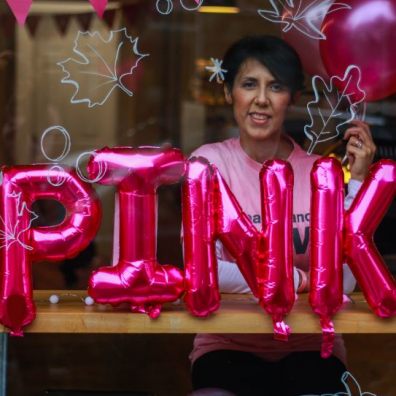
I am writing to ask everybody in Exeter to join us this October and take part in the UK’s biggest and boldest pink fundraiser, wear it pink. Wear it pink takes place on Friday 19 October, during Breast Cancer Awareness Month, to raise funds for Breast Cancer Now’s vital research.
To take part, all you need to do is ditch your everyday colours and dig out your pink glad rags or favourite pink items for one day, and fundraise to help Breast Cancer Now achieve its aim that by 2050, everyone who develops breast cancer will live - and live well. Breast Cancer is still the most common...
Doctors who unintentionally communicate to patients that they do not believe or understand them could actually make their symptoms worse, a new study suggests.
Research by the University of Exeter Medical School, and the psychology departments at the University of Exeter and University of Southampton published in the American Journal of Medicine, indicates that a type of “nocebo” response – where patients perceive a lack of understanding or acceptance from their doctor – could create anger and distress, physiological conditions that could worsen illness.
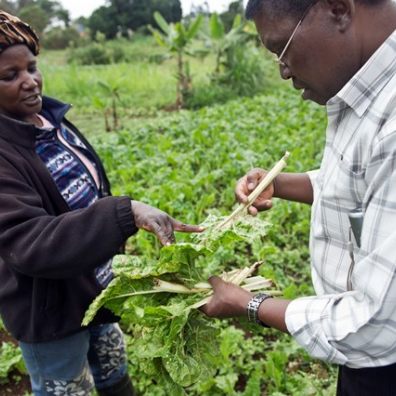
The abundance of crop pests in developing countries may be greatly underestimated, posing a significant threat to some of the world’s most important food producing nations, according to research led by the University of Exeter.
Data on the known distributions of almost 2,000 crop-destroying organisms in 195 countries were analysed in the first global assessment of the factors determining the distribution of crop pests.
Dr Dan Bebber and Professor Sarah Gurr, of Biosciences at the University of Exeter, found that if all countries had levels of scientific and technical...
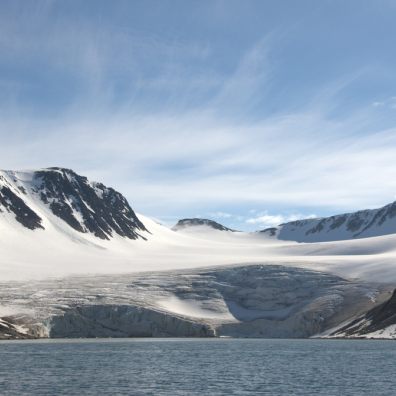
New evidence indicates glaciers present 11,000 years later than believed
Research led by a scientist from the University of Exeter has shown that Britain was home to small glaciers within the last few centuries – around 11,000 years later than previously thought. Dr Stephan Harrison has established that small glaciers almost certainly existed in the Cairngorm mountain range in Scotland as recently as the 18th century, contrary to the long held belief that Britain’s last glaciers melted around the 9th millennium BC. Scientists had speculated that glaciers may have formed in the...
The UK could gain an edge in the race to become the most efficient converters of waste into energy when a £4 million research project comes to fruition.
Experts at the University of Exeter have been awarded the funding for groundbreaking research into creating biomethane, which can be burned to produce energy.
It is one of six large projects across the country to receive a share of a £20 million cash pot announced by Chancellor George Osborne yesterday. The grants are designed to revolutionise the application of synthetic biology in bio-industries. The...