








CBD Patches, Balms and Oils: Comparing How Your Body Absorbs CBD
Wellness cabinets look different in every home, from tinctures lined up on a shelf to jars of balm tucked into a gym bag, and what ties these products together isn't the packaging; it’s the way each one finds its own path into your system, and that path decides how fast an effect builds and how long it stays with you.
So, before you choose between a bottle, a jar or something you stick to your skin, knowing how your body handles each one matters, since no two product types behave alike once they meet your skin or your bloodstream.
How Your Body Processes CBD
Your skin, your digestive system and the tissue under your tongue all treat cannabidiol differently, and this is why the same dose can feel stronger or weaker depending on how you take it. When CBD passes through your stomach and liver, a good portion of it breaks down before it ever reaches your bloodstream, so oral capsules often need higher doses to achieve a noticeable effect.
Sublingual drops skip much of that breakdown by absorbing through the tissue under your tongue, while topical products stay closer to the surface and target only the area you apply them to, and not your whole system. Once you know this, choosing between products becomes less about trial and error and more about matching the delivery method to what you want it to do.
CBD Patches
CBD patches sit on your skin and release cannabidiol steadily over several hours, so your body receives a measured amount instead of a single spike followed by a drop. This slow, transdermal release means the compound bypasses your digestive system altogether and moves through several layers of skin into your bloodstream, which many people find useful for effects that need to last through a working day or an overnight period.
Because the patch keeps working after you've applied it once, you don't need to remember repeat doses, and this consistency is one of the main reasons people move toward CBD patches when they want something low-maintenance. If you're weighing up whether patches suit your day, here are a few points worth considering before you commit to one.
- They work best when applied to clean, dry skin with good circulation, such as your wrist or the inside of your arm.
- Release speed varies by brand, so check how many hours of coverage a patch is designed to provide.
- Because absorption is gradual, patches suit ongoing support more than an immediate, short-lived effect.
CBD Balm
A CBD balm sits at the more localised end of the spectrum, since it's designed to stay where you apply it and interact with the skin and tissue nearby instead of travelling through your whole system. Balms combine cannabidiol with a thicker, often waxy base, so they sit on the surface for longer and suit areas you want to target directly, such as tired joints or a tense shoulder after a long day on your feet.
Because so little of a balm crosses into your bloodstream, it won't produce the same body-wide feeling as an oil or a patch, and that's precisely why people reach for it when they want a focused application instead of a general one.
CBD Oil
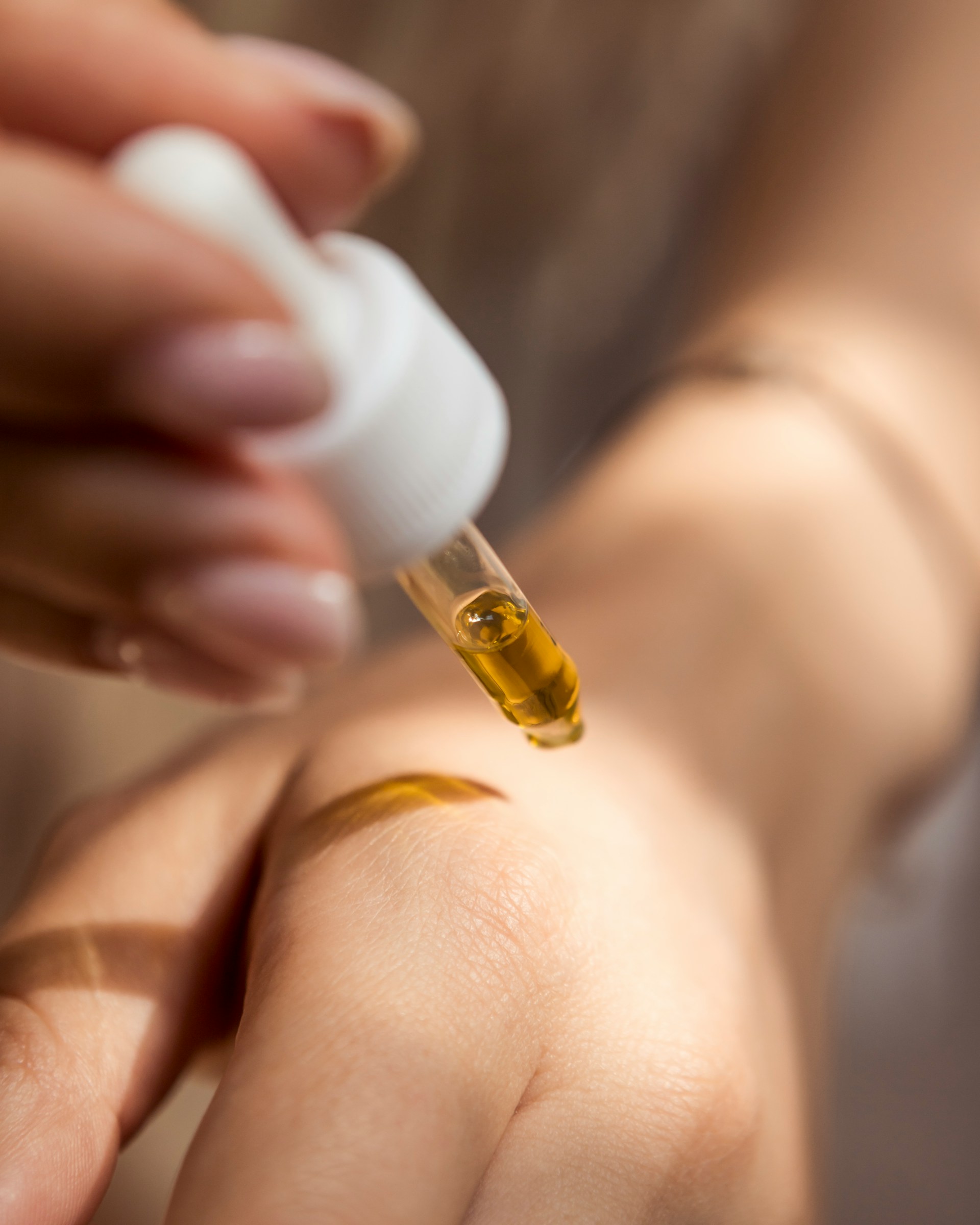
Oils remain one of the most familiar products, largely because they're flexible and easy to adjust to your own preference. Placing CBD oil drops under your tongue allows the compound to absorb through the thin tissue there, which is faster than swallowing a capsule and avoids much of the breakdown that happens in your digestive system.
You can also add oil to food or drink, though this route slows absorption and reduces how much of the dose your body ends up using. For people who like to control their amount from one day to the next, oils give a level of flexibility that a fixed-dose patch or balm doesn't offer.
Water-Soluble CBD
Standard CBD doesn't mix well with water, and that's the main obstacle formulators have worked to solve, since your body is largely water-based while cannabidiol is naturally oil-based. Water-soluble CBD is processed so its particles disperse more evenly through liquid, which can help your body absorb it faster and more completely than an oil-based version taken the same way.
You'll increasingly find this technology used across drinks, drops and even some patches, as brands look for ways to improve how much of each dose your body puts to use instead of losing to the digestive process. If bioavailability matters most to you, checking whether a product uses water-soluble CBD is worth doing alongside checking its overall strength.
Choosing What Suits You
No single option outperforms the others across the board, and the right choice depends on what you're looking for, how long you want an effect to last and how much control you want over your dose. Someone who wants steady, low-maintenance coverage throughout the day may lean toward patches, while someone who wants a fast, adjustable dose might prefer oil drops instead.
It's worth reading current guidance too, including the ACMD consumer CBD advice, which covers what to look for when buying products in the UK. Exploring a full range of CBD products before settling on one also gives you a clearer sense of how the textures, application methods and absorption speeds compare against each other in practice.
None of these products offers a shortcut past the basic rule that your body decides how much of any dose it puts to use, and that's the detail worth carrying forward whichever one ends up in your routine.