








What Washington Does Better Than Any Other City
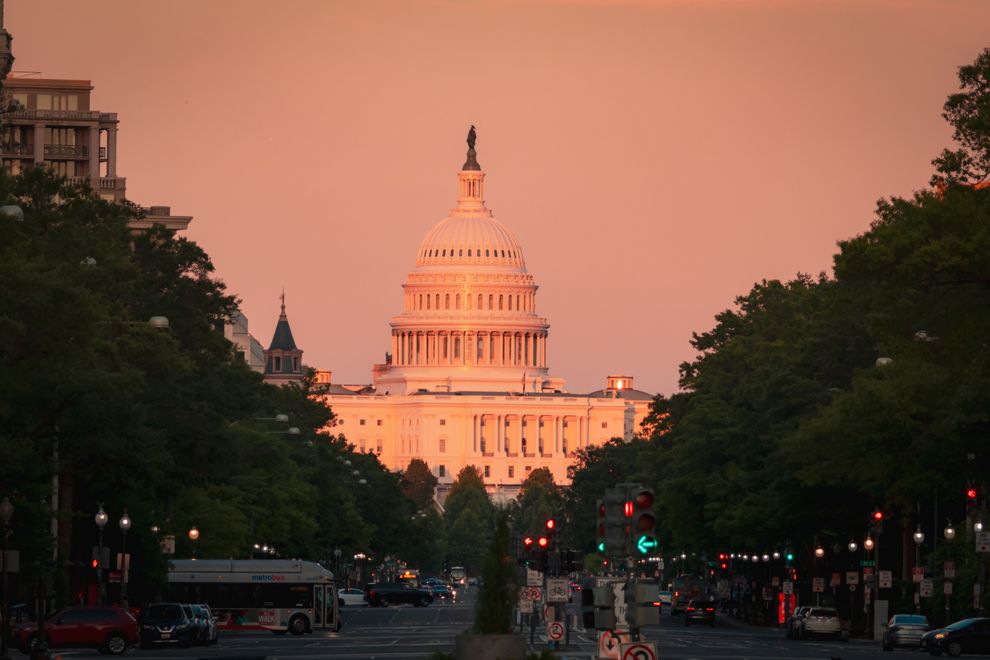
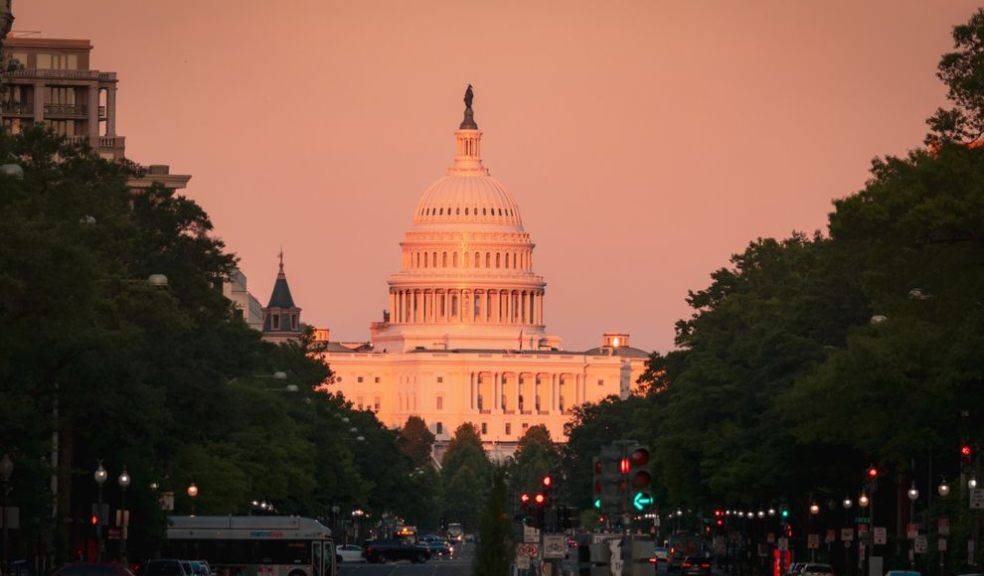
Washington, D.C. stands apart from other American cities in ways that go far beyond its role as the nation's capital. While many urban centers excel at specific things, few can match the unique combination of accessibility, culture, and civic engagement that defines life in the District. From world-class museums to democratic traditions, Washington has perfected certain experiences that simply can't be replicated elsewhere.
Free Access to World-Class Museums and Culture
No city in America does free cultural access better than Washington. The Smithsonian Institution operates 17 museums and galleries in the District, and every single one offers free admission year-round. This isn't just about saving money on entrance fees; it's about democratizing culture in a way that makes world-class art, history, and science accessible to everyone.
The National Gallery of Art houses masterpieces that would cost $30 or more to see in other cities. The National Museum of African American History and Culture offers an unparalleled journey through American history without charging a dime. This commitment to free access extends beyond the Smithsonian to include the National Archives, where you can view the original Declaration of Independence and Constitution without opening your wallet.
This cultural generosity fundamentally changes how residents and visitors interact with the city. People drop into museums for lunch breaks or quick visits, treating these institutions as living parts of their daily lives rather than special-occasion destinations.
Monumental Public Spaces That Inspire
Washington's approach to public monuments and memorials sets the global standard. The National Mall serves as America's front yard, a two-mile stretch of green space lined with iconic monuments that tell the nation's story. Unlike other cities where monuments feel like afterthoughts tucked into traffic circles, Washington's memorials command attention and inspire reflection.
The Lincoln Memorial, Vietnam Veterans Memorial, and Martin Luther King Jr. Memorial aren't just tourist attractions. They're gathering places for protests, celebrations, and quiet contemplation. The city has mastered the art of creating spaces that honor the past while remaining relevant to contemporary conversations about justice, sacrifice, and national identity.
These spaces remain accessible 24 hours a day, reinforcing Washington's commitment to public access. You can visit the Jefferson Memorial at sunrise or the World War II Memorial at midnight, experiencing these monuments in ways that suit your schedule and mood.
Democracy in Action
No other city lets you witness democracy functioning at such an intimate scale. Washington excels at making government transparent and accessible in ways that transform abstract civics lessons into tangible experiences. You can watch Supreme Court arguments, attend congressional hearings, or observe legislative debates from public galleries.
This access extends beyond the formal institutions. The city's culture of public discourse means you're likely to overhear policy debates in coffee shops or spot elected officials at neighborhood restaurants. When planning places to stay in Washington, many visitors choose accommodations near Capitol Hill or Dupont Circle specifically to immerse themselves in this unique political atmosphere.
The concentration of think tanks, advocacy organizations, and international embassies creates an environment where ideas and policies are constantly being debated, refined, and challenged. This intellectual energy permeates the city in ways that make even casual conversations more substantive and informed.
Neighborhood Diversity and Walkability
Washington has perfected the art of neighborhood identity while maintaining excellent connectivity. Each area of the city offers distinct character, from the historic rowhouses of Georgetown to the international flavor of Adams Morgan, yet everything remains remarkably accessible.
The Metro system, despite its occasional challenges, provides connectivity that most American cities envy. You can easily move from the museums on the Mall to dinner in Shaw to drinks in Arlington without needing a car. This walkability and transit access encourage exploration and make the city feel both manageable and endlessly discoverable.
The city's quadrant system and logical street naming also deserve recognition. Once you understand the basic grid, navigation becomes intuitive in ways that feel impossible in cities with organic, winding street patterns.
Seasonal Celebrations Done Right
From the National Cherry Blossom Festival in spring to holiday concerts at the Kennedy Center, Washington orchestrates seasonal celebrations that balance grandeur with accessibility. The city knows how to mark occasions in ways that feel both nationally significant and personally meaningful, turning the changing seasons into shared cultural moments that bring diverse communities together.
Washington may not be perfect, but it has mastered the art of being a city that belongs to everyone. Its commitment to free access, democratic transparency, and public space creates an urban experience that's both uniquely American and impossible to replicate anywhere else.
Gallery