








What Separates a Decent Garden From One You Actually Use
Most gardens look fine. They have a lawn, some borders, maybe a patio. Nothing wrong with them.
The problem is how little time people spend on them.
If you walk past most back gardens on a Saturday afternoon in May, the furniture sits empty. The barbecue has not been lit since last August. The kids are inside. The lawn has been cut recently, which is about the only evidence anyone has been out there.
Then there are the gardens that get used constantly. From March to October, sometimes beyond. People eat out there, read out there, have friends round, and the space is visibly lived in rather than maintained. These are not always bigger gardens. They are not always more expensive ones. Something else is going on.
The Difference Is in the Layout, Not the Square Footage
A small garden that is well laid out will beat a large one that is not, every time.
The question to ask is how easily you move through space. If getting to the seating area means squeezing past something awkward, you will stop going out there. If the patio is in the wrong spot for sun in the late afternoon, you will sit indoors. If the path to the back of the garden is a bit muddy after rain, nobody uses the back of the garden.
These sound obvious, but they are the things that quietly kill how much a garden gets used. The biggest and most expensive plants in the world will not fix a layout that works against how people actually behave.
Think about your own garden as a sequence. Where do you walk when you step out the back door? Where does your eye go? Where is the sun at six in the evening in July? Where is the shade at two in the afternoon?
If you cannot answer these quickly, that is the first thing worth sorting.
Zones Beat One Big Open Space
There is a temptation to keep gardens open. All lawn, a border round the edges, furniture on a patio somewhere near the back door. It looks tidy. It also makes the space feel less interesting to be in.
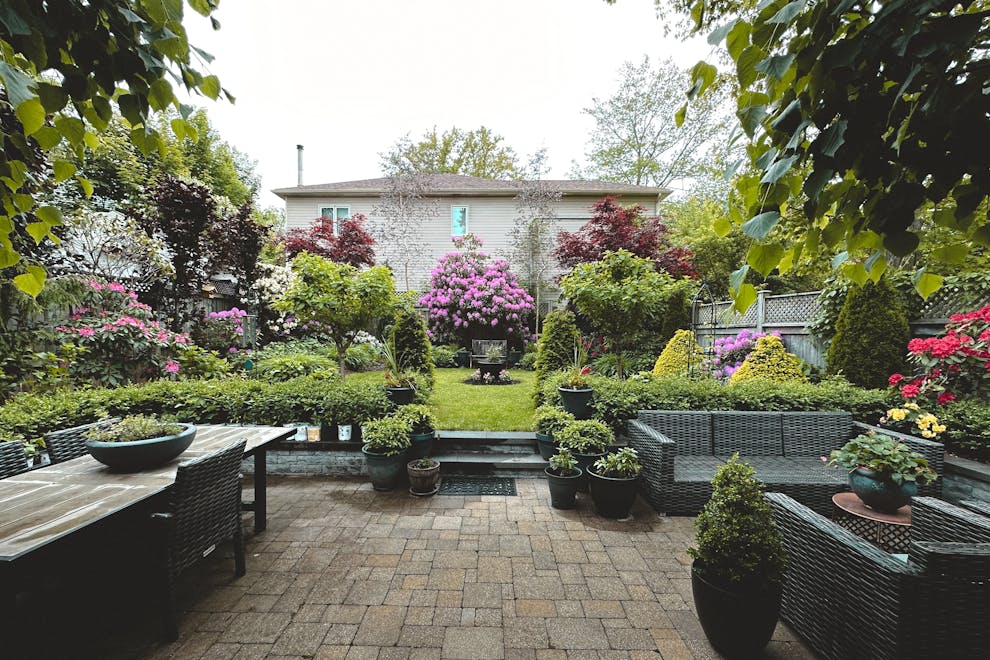
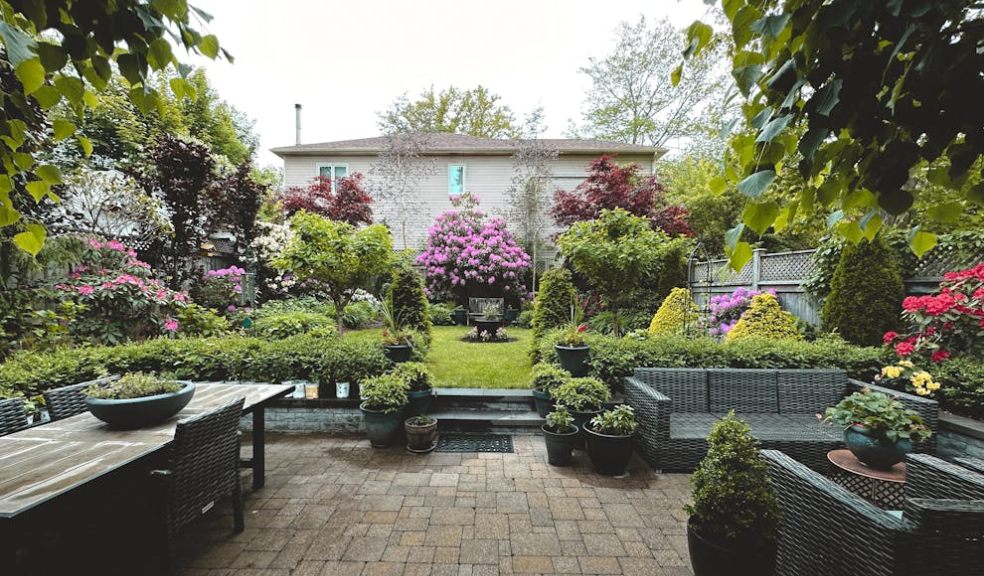
The gardens that get used most tend to be broken into zones. Not in a rigid way. A seating area here, a dining spot there, a quiet corner with a single chair and a view of the planting. Even a small garden can support two or three distinct places to be, and having the choice changes how you use it.
The trick is defining the zones without walling them off. A change in surface (paving to gravel, say) or a shift in level, or a cluster of planting, can do the work. You do not need a fence between areas. You just need each part to feel slightly different from the last.
Professional garden designers talk about this as the difference between looking at a garden and being in a garden. A one-zone garden is something you look at. A multi-zone garden is something you move through and settle in.
Firms that work on full garden redesigns, such as MacColl & Stokes Landscaping, tend to plan gardens around how the space will actually be used across different times of day and different seasons, rather than just filling the plot with attractive features. That planning stage is often where the real difference between a decent garden and a used one gets made.
Outdoor Surfaces That Work in British Weather
This is the unglamorous bit that matters more than anything else.
A patio that sits in a puddle for two days after rain is a patio you stop using. A lawn that turns to mud every October is a route to the back of the garden that quietly closes itself. A gravel path that shifts every time it is walked on is one people avoid.
Drainage, base preparation, and the right material for the right spot are what separate a well-built outdoor space from one that looks nice for a summer and then causes problems for a decade.
The Royal Horticultural Society has written extensively about managing drainage in gardens, and the guidance is worth reading before any hard landscaping goes in. Permeable surfaces, correct falls on paved areas, and proper sub-base construction are not exciting topics. They are also the reason some gardens last 25 years looking good and others need redoing after five.
If your patio slopes the wrong way towards the house, for example, that is not a minor aesthetic issue. It is a damp problem waiting to happen.
Seating Worth Sitting In
People underestimate how much the quality of the seating affects whether a garden gets used.
A plastic chair from a supermarket is fine for a ten-minute coffee. It is not where you spend an evening. If you want to use your garden as an extra room, the furniture has to be good enough to want to sit in for an hour or two, not something you tolerate until you can go back indoors.
This does not mean expensive. It means comfortable, weatherproof enough to live outside from April to October, and arranged for conversation rather than for looking at from the kitchen window.
A few working principles. Put seating where people can see the garden, not where they stare at a fence. Position it so the sun is behind you rather than in your eyes at the time of day you use it most. Give yourself somewhere to put a drink within arm's reach, because standing up to fetch one breaks the mood. And invest in cushions you can bring out quickly, because bare outdoor furniture is less inviting than it looks.
Small things. They add up fast.
Lighting Changes Everything
If you want your garden to work in the evening, not just on sunny afternoons, lighting is the single biggest multiplier.
A garden with no evening lighting effectively closes at sunset. A garden with even modest lighting extends from four months a year to eight or nine. The same space, a lot more usable time.
The lighting that works is not floodlighting. It is layered. A few low-level path lights so people can walk safely. Uplights on a couple of trees or planted areas for depth. Warm light near the seating area, not cold white. Avoid lighting the house itself from outside; it tends to look like a car park.
You are aiming for somewhere that feels inviting to walk out to at nine in the evening in July, or for ten minutes on a clear October night. Not somewhere that is lit like a tennis court.
Planting for Year-Round Interest, Not Just July
A garden that peaks in one month and looks flat for the other eleven is a garden you use for one month.
This is not about becoming a keen gardener. It is about making sure there is something happening in the planting across the seasons. Evergreen structure for winter. Spring bulbs for that first burst of energy after the grey months. Perennials that carry the summer. Grasses and late-flowering plants that keep the autumn alive.
You do not need a lot of plants to make this work. A smaller number of well-chosen species, repeated across the garden, usually looks better than a huge variety crammed in. Most gardens suffer from having too many different things in too small a space, all competing for attention.
The gardens that look good in February are the ones where the planting was planned with all twelve months in mind from the start.
The Small Things That Quietly Matter
A few details that make more difference than their cost suggests.
A tap or water point near the planted areas, so watering does not involve dragging a hose across the lawn every time. A small, practical storage spot for cushions, tools, or a folded parasol, close enough to the seating that you actually use it. Somewhere to put compost or green waste that is not an eyesore.
Getting the small stuff right means the garden functions. Getting the small stuff wrong means it looks fine but is gently annoying to live with.
And one broader thing. Gardens benefit from a view of something good from inside the house. Whatever you can see from the kitchen window or the sofa is what your garden will feel like for most of the year, because that is where you will see it from more often than sitting on the patio.
Plan that view early. It is free to think about and expensive to change once the planting is mature.
Start With How You Want to Use It
The most common mistake is starting with what you want the garden to look like. Pinterest boards, Instagram, garden centre inspiration, all of it focused on appearance.
Start instead with how you actually want to use the space. Morning coffee with a view. Supper outside on summer evenings. A quiet corner for reading. Somewhere the kids can play without destroying the planting. A few vegetables or herbs if that is your thing.
List the uses first. Then work out where each one sits, based on sun, shelter, access, and distance from the house. Only after that does the question of planting, materials, and appearance become useful.
A garden designed around its intended uses almost always looks better, because everything in it has a reason for being there.
What Makes the Difference
The gardens that get used are not the most expensive or the most finished-looking. They are the ones where someone thought through how people would actually spend time there, and built the space around that.
Good layout. A few distinct zones. Surfaces that cope with British weather. Seating you want to sit in. Lighting that works in the evening. Planting that does something across the year. A view worth looking at from inside.
None of this requires a vast budget or a huge plot. It requires a bit of thought before anyone digs anything up.
Spend more time on the planning. You will spend more time in the finished garden.