








How Safe Is Controlled Building Demolition? What Residents Should Know
It’s normal to feel uneasy upon hearing that a building near your home is scheduled for demolition. The thought of heavy machinery, dust, and collapsing structures can raise concerns about safety, noise, and disruption. Yet modern controlled demolition is far from chaotic. In the UK, it is a carefully regulated process designed to protect residents, workers, and surrounding properties.
Understanding how the process works can help you feel more confident about what’s happening around you. Regulations, professional oversight, and strict safety planning all play a role in making demolition work far safer than many people expect.
Demolition Requires Strict Planning and Oversight
Demolition projects must pass through a range of legal and safety checks before a single wall is removed. These measures are set out in legislation such as the Building Act and various building regulations that govern how structures can be altered or removed.
Most projects must coordinate with the local authority, which oversees compliance and ensures that public safety is protected. Contractors submit a demolition notice outlining the scope of the project, the demolition start date, and the safety procedures that will be followed.
In many cases, oversight from Local Authority Building Control ensures that demolition is carried out responsibly. A qualified building control surveyor may review the plans to confirm that nearby structures and utilities will not be affected. These professionals examine factors such as nearby adjoining properties, potential hazards, and the impact on adjacent buildings before work begins.
Managing Equipment and Technical Challenges on Site
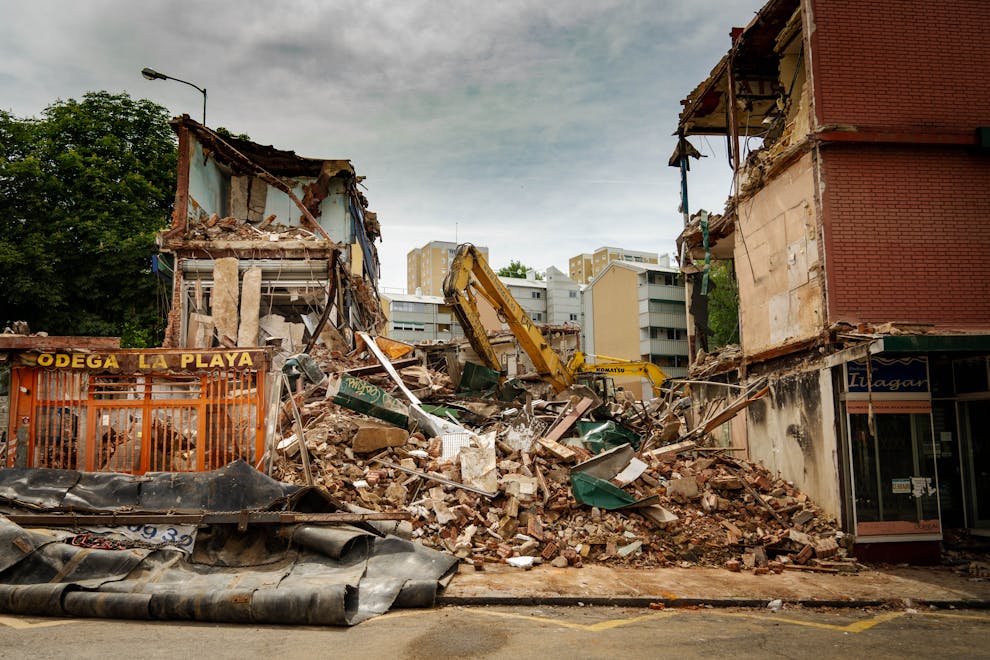
Controlling large machinery in confined urban spaces can be a challenge. Heavy equipment must be carefully selected and operated to avoid damaging surrounding structures. Older buildings can present particular difficulties. Reinforced concrete, steel frames, and tight access points require specialised tools and precise handling.
Contractors often rely on customised machinery attachments that allow them to dismantle structures piece by piece rather than using uncontrolled force. Some companies provide traditional and bespoke demolition equipment. You can learn more about them at your chosen provider’s site, for instance, kocurek.com. These tools help operators break down structures safely while reducing vibration, debris spread, and noise. The result is a far more controlled process that protects nearby residents and infrastructure.
How Authorities Protect Residents During Demolition
Public safety is the top priority during demolition. Multiple agencies often work together to ensure that projects follow the proper procedures. Authorities will review the project through several stages, particularly if the structure is large, complex, or located in a dense neighbourhood.
Some of the key protections residents should expect include:
- Utility disconnections and inspections. Contractors must coordinate with the electricity supplier and gas supplier before demolition begins. Gas and electricity authorities confirm that services are safely isolated to prevent fires or explosions.
- Safety monitoring and planning. Every project requires a detailed health and safety plan in line with the Construction Regulations 2015. This document outlines worker protection, hazard management, and emergency procedures.
- Structural risk assessments. If a building has unstable sections or is classified under dangerous structures rules, the council may issue a demolition order or an abatement notice to ensure it is removed safely.
- Worker oversight. In many projects, the Health and Safety Executive monitors compliance with national safety standards to reduce risks on site.
These layers of oversight ensure that demolition work follows strict procedures from start to finish.
What Happens Before Demolition Begins
Residents are often surprised to learn how much preparation occurs before demolition starts. Site preparation can take weeks, sometimes months, depending on the complexity of the structure. Contractors must secure the demolition site, install barriers, and control access points. Strong site security measures prevent members of the public from entering dangerous areas.
Before dismantling begins, workers may remove internal parts such as fixtures, wiring, insulation, and non-structural materials. This process helps reduce debris and allows hazardous materials to be handled separately.
Waste management is another major focus. Contractors must safely remove materials and rubbish in accordance with environmental regulations, ensuring debris is transported and recycled where possible.
Building a new office, for instance, may require clearing outdated facilities or underused industrial buildings before construction can begin. Even smaller structures, such as an old prefabricated garage behind a residential property, must follow the same careful procedures to ensure safe removal.
What If Residents Have Concerns?
Residents can raise questions or objections if they believe safety procedures are not being followed. In certain circumstances, individuals may submit a counter notice to the council if they believe demolition could negatively affect their property. Authorities will then review the case before allowing work to proceed.
Residents may also contact the council regarding historic building control queries if the structure has heritage value or special protection. If a contractor plans demolition near an occupied building, additional structural assessments may be required to ensure that vibrations or debris will not cause damage.
Communication between contractors, councils, and residents is essential. Many developers hold community briefings to explain timelines, expected noise levels, and traffic changes.
What Residents Should Watch for Near a Demolition Site
While demolition is generally safe, it’s still helpful to stay aware of activity near your home. Responsible contractors take several visible steps to protect the public.
You may notice:
- Fenced perimeters and warning signs
- Traffic management around the site
- Water sprays are used to control dust
- Clearly marked working hours
These measures help reduce disruption while keeping pedestrians and neighbours safe. If something seems unsafe, such as debris leaving the site or damaged barriers, it’s best to report the issue to the local authority so it can be investigated promptly.
Trends Shaping Demolition and Construction in the UK
In the UK, about GBP£ 718 billion-worth of 734 infrastructure projects are on the pipeline in the next decade. These projects will require up to 706,000 team members in the next five years.
Demolition projects are often the first stage of major redevelopment. As cities evolve, older structures are removed to make way for new housing, offices, and infrastructure.
This surge in development means demolition will continue to play a key role in preparing land for new building work across cities and towns. At the same time, stricter safety rules, improved equipment, and stronger regulatory oversight are shaping how projects are carried out.
Conclusion
Controlled demolition in the UK is a highly regulated and carefully managed process. Between strict legal requirements, professional oversight, and modern equipment, the risks to nearby residents are significantly reduced.
While demolition can look dramatic, it rarely happens without months of preparation and detailed safety planning. By understanding how the system works and knowing your rights as a resident, you can feel more confident when a nearby structure is scheduled for removal. In most cases, demolition is simply the first step toward renewal, paving the way for safer, more modern spaces in the communities where you live and work.
Gallery