








Why more people are choosing life on the road for their next adventure
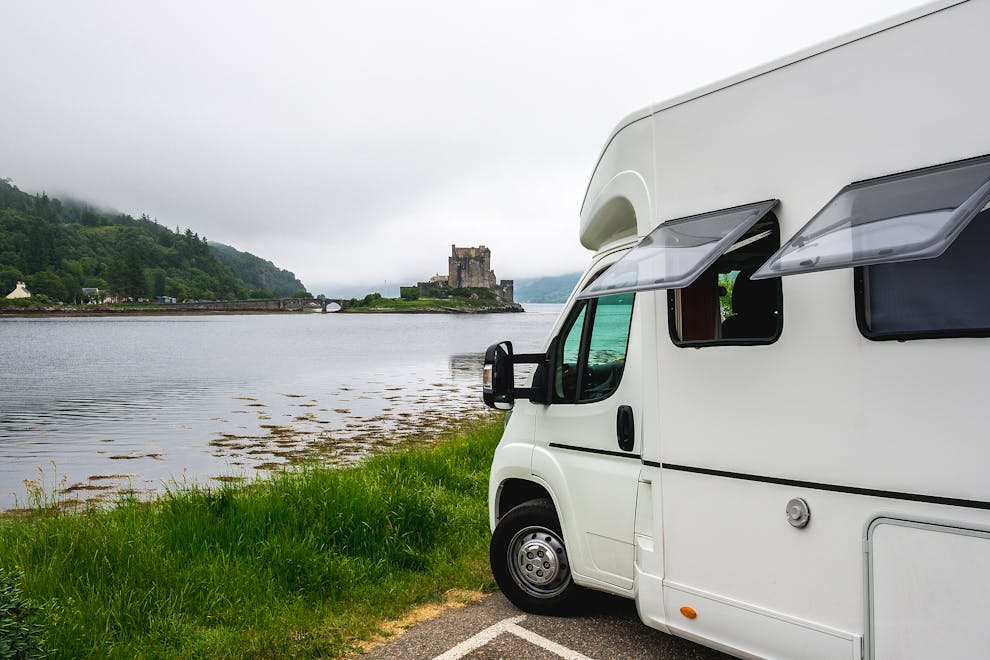
There's a growing number of people swapping flight bookings and hotel rooms for something altogether more open-ended: a campervan, a loose itinerary, and the freedom to go where the mood takes them. Whether it's a long weekend in the Scottish Highlands or a slow meander through coastal France, road-based travel has found a new and enthusiastic audience across the UK, driven by a desire for flexibility, genuine immersion, and a travel experience that feels personal rather than packaged.
- The appeal of flexible travel plans
The most obvious draw of road travel is the ability to make it up as you go. There are no fixed departure gates, no rigid check-in times, and no penalty fees for changing your mind. Travellers can sidestep the well-trodden tourist trail entirely, favouring quieter country roads, lesser-known market towns, and campsites that simply don't appear on mainstream booking platforms. If a place captures you, you stay longer. If it doesn't, you move on. That kind of autonomy is difficult to replicate with any other form of holiday.
- Budgeting for life on the road
Road travel can be genuinely cost-effective, but it rewards those who plan carefully. Fuel is the most variable expense and one worth tracking closely, particularly on longer European routes where distances add up quickly. Campsite fees vary considerably, from free overnight spots in some regions to well-serviced pitches that rival budget accommodation in price. First-time van travellers often underestimate the cost of routine vehicle maintenance and the occasional breakdown; setting aside a dedicated emergency fund before departure is strongly advised by those with experience on the road. Grocery shopping locally rather than relying on service stations also helps keep daily costs manageable.
- Preparing properly before you set off
Getting the practicalities in order before leaving home makes a significant difference to the quality of the trip. A thorough vehicle check, such as tyres, fluids, electrics and brakes, is essential, as is familiarising yourself with the road rules of any countries you plan to drive through. Appropriate campervan insurance is another important consideration, guaranteeing that you're properly covered for the vehicle itself, its contents, and any European travel you have planned. Packing a basic toolkit, a first aid kit, and relevant emergency contacts rounds out sensible pre-departure preparation.
- Making road travel sustainable long-term
For those hoping to make road travel a regular habit instead of a one-off, a few habits go a long way. Keeping on top of vehicle servicing prolongs reliability and avoids costly repairs further down the line. Planning routes with fuel efficiency in mind, such as avoiding unnecessary motorway mileage where scenic alternatives exist, reduces both costs and environmental impact. Travelling responsibly at campsites, leaving no trace and respecting quiet hours also helps preserve the kind of spaces that make road travel so appealing in the first place. The RAC's guidance on road trip preparation offers a useful framework for building good habits from the outset.
Life on the road asks a little more of you than a conventional holiday, but for most who try it, that's precisely the point.
Gallery