








How to Choose the Right Towel Warmer for Your Home
A towel warmer turns a simple bathroom upgrade into everyday comfort. It keeps towels dry, prevents damp smells, and adds a touch of warmth that makes each shower or bath feel more relaxing. The right towel warmer fits the space, matches the home’s heating setup, and delivers steady heat without wasting energy.
Choosing one depends on more than just looks. Size, power source, and placement all influence how well it performs. A small bathroom may need a compact wall-mounted model, while a larger home might benefit from a dual-fuel system that works year-round.
This guide explains how to compare types, materials, and features so anyone can find a model that fits both style and routine. By understanding how each factor affects performance, it becomes easier to select a towel warmer that feels practical and adds comfort to daily life.
Key Factors for Selecting the Right Towel Warmer
Choosing the right model depends on how it heats, how it installs, how many towels it holds, and how efficiently it uses energy. Each factor affects comfort, convenience, and long-term performance in daily use.
Towel Warmer Types: Electric, Hydronic, and Cabinet
Electric towel warmers are the most common type. They use internal heating elements that quickly warm towels and operate with a simple plug-in or hardwired setup. Plug-in models suit renters or temporary setups, while hardwired units fit better in permanent bathroom upgrades.
Hydronic models connect to a home’s hot water system. They provide steady heat and lower electricity use during heating seasons, but require more complex installation. These are ideal for new constructions or full renovations where plumbing access already exists.
Cabinet-style towel warmers, sometimes called towel heating buckets, use enclosed chambers to heat towels evenly. They work well in small bathrooms or apartments where wall space is limited. Many cabinet models also dry towels faster, reducing moisture buildup and odor.
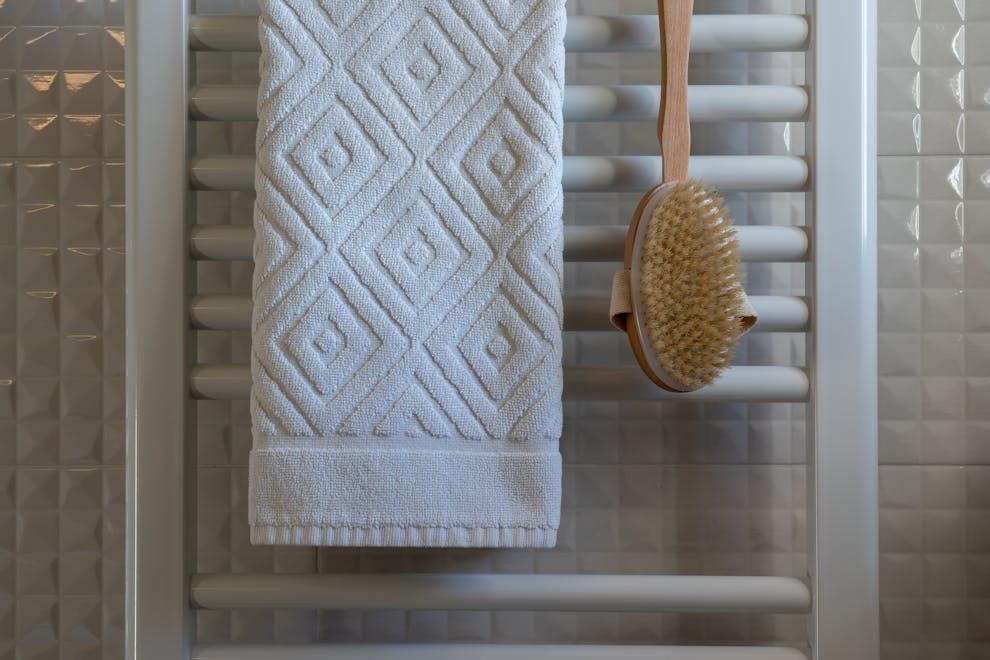
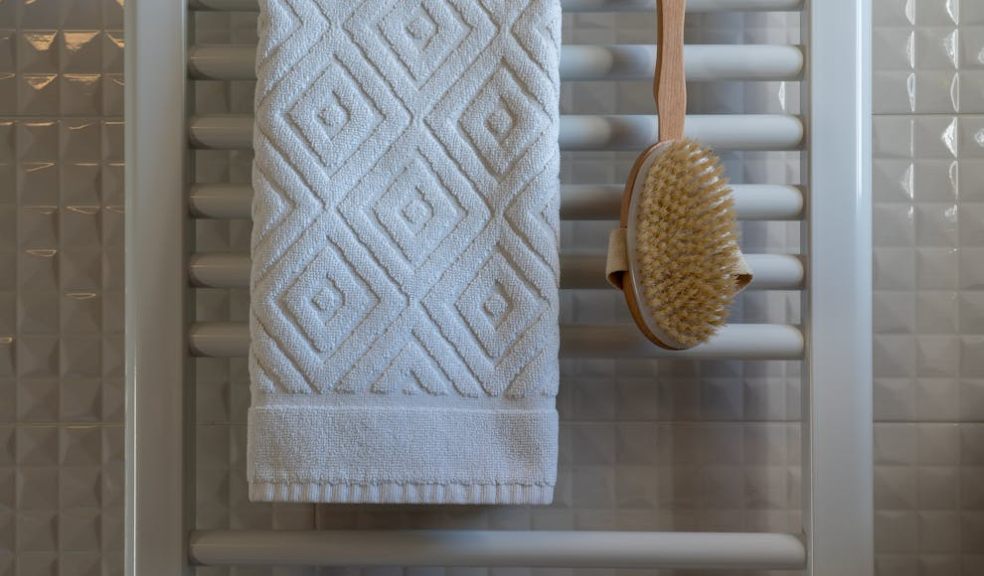
For those seeking a spa-like touch, towel warmers can add both comfort and hygiene benefits to any bathroom.
Mounting and Installation Options
Wall-mounted towel warmers save space and create a clean look. They attach directly to the wall and often replace standard towel racks. This setup works best for smaller bathrooms that need to stay uncluttered.
Floor-standing models offer flexibility. They can be moved between rooms, require no drilling, and plug into standard outlets. These are practical for renters or seasonal use.
Some homes use recessed or built-in installations for a seamless finish. This approach hides wiring and gives a more polished appearance, but usually requires professional installation.
Each mounting option affects accessibility, wiring needs, and how much heat reaches the towels. Homeowners should consider layout, wall material, and available outlets before deciding.
Capacity and Size Considerations
The right capacity depends on household size and towel use. A single-person apartment may only need a compact rack for one or two towels. Families often prefer larger ladder-style models that hold multiple bath sheets.
Measure available wall or floor space before purchase. Allow enough clearance for airflow and safe operation. Overloading a rack can reduce heat distribution and slow drying.
Cabinet-style units list internal volume in liters, while rack-style models measure width and height in inches. Checking these dimensions helps match the warmer to both towel size and bathroom layout.
Heating Performance and Energy Efficiency
Heating speed and temperature range determine comfort and convenience. Electric towel warmers usually reach 100–140°F, enough to warm towels without overheating. Models with timers or thermostats give better control and reduce wasted power.
Hydronic systems depend on water temperature and may take longer to heat. However, they often cost less to run during colder months.
Energy-efficient models use low-wattage elements or smart controls that cycle power automatically. Choosing the right balance of wattage, control features, and insulation can lower energy bills while keeping towels warm and dry every day.
Matching a Towel Warmer to Your Space and Lifestyle
A towel warmer should fit the layout, style, and daily routine of the household. The right model balances design with safety and long-term performance so it functions well and looks appropriate in the space.
Design and Material Choices
The design affects both appearance and practicality. Wall-mounted models save floor space and suit smaller bathrooms, while freestanding units fit larger or multi-purpose areas. A vertical rack works well for several towels, while compact horizontal bars suit tight corners.
Material choice also matters. Stainless steel resists rust and moisture, making it ideal for humid bathrooms. Aluminum heats quickly and uses less energy, while carbon steel offers strength at a lower cost.
Finish influences how the warmer blends with other fixtures. Matte black adds contrast in modern interiors, brushed nickel hides fingerprints, and chrome keeps a classic, reflective look. Matching the finish to faucets or mirrors creates a consistent style.
Safety Features and Controls
Safety should guide every towel warmer choice. Electric models need GFCI-protected outlets to reduce electrical hazards. A 24-inch clearance from showers or tubs prevents contact with water.
Temperature control helps prevent overheating. Adjustable thermostats let users set the heat between low and high ranges, while built-in timers shut the unit off automatically. These features save energy and reduce fire risk.
Smart controls add convenience through remote access or scheduling. A digital display also helps users see current settings clearly. For families or shared bathrooms, these functions keep use simple and safe for everyone.
Maintenance and Durability
Good maintenance habits extend the life of any towel warmer. Regular dusting and wiping with a soft cloth prevents residue from building up. Avoid harsh cleaners that can damage finishes or corrode metal surfaces.
Hydronic models may need occasional air bleeding to maintain even heat. Electric versions require inspection of cords and switches for wear.
Durability depends on both material and usage. Stainless steel units last longest in damp spaces, while aluminum models resist corrosion but may dent more easily. Secure mounting and proper installation also protect the unit from strain and early failure.
Conclusion
A towel warmer adds comfort and practicality to a home by keeping towels dry, fresh, and pleasant to use. It also helps reduce moisture in the bathroom, which supports a cleaner space.
The right model depends on heating type, size, and placement. Electric units suit year-round use, while hydronic and dual-fuel options fit homes with central heating systems.
Style and material also influence both performance and appearance. Stainless steel and aluminum resist rust and match most modern bathrooms.
Smart features such as timers or Wi-Fi controls add convenience and help manage energy use. Therefore, choosing a model that fits personal habits and space needs leads to lasting comfort and value.