







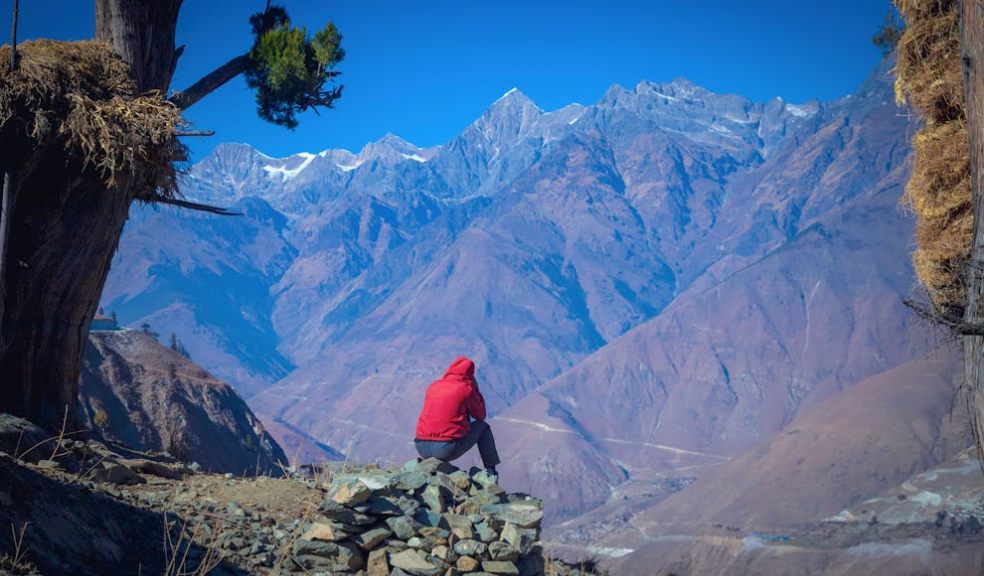
How to Prepare for a Tour in Nepal
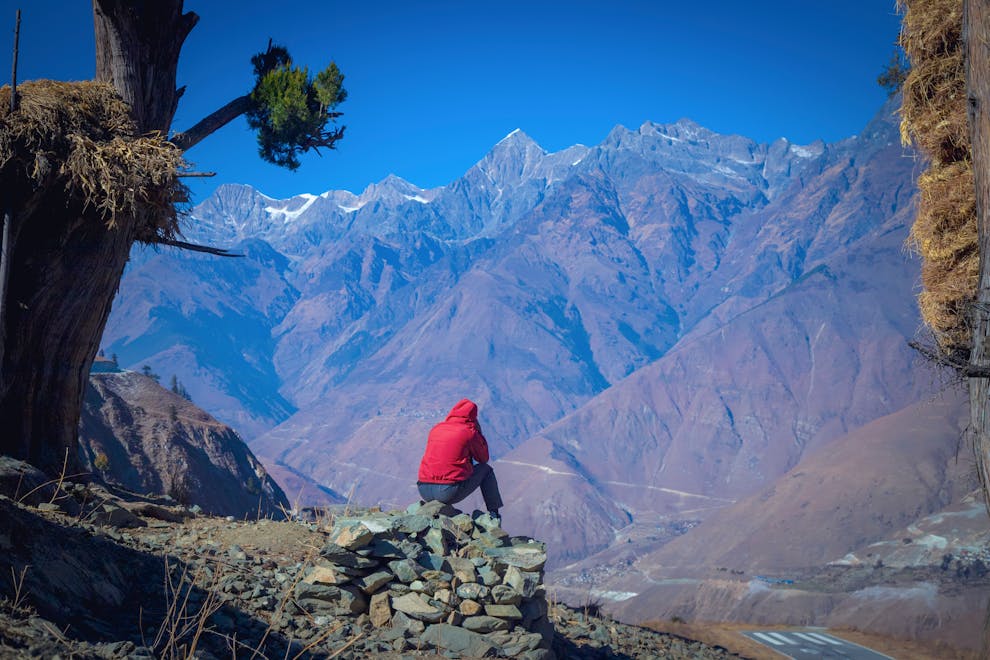
Nepal is one of the world’s most remarkable travel destinations, a country filled with towering Himalayan peaks, lush jungles, ancient temples, warm hospitality, and vibrant cultural heritage.
It attracts adventurers, spiritual seekers, nature lovers, and culture enthusiasts who come to experience everything from Everest panoramas to peaceful monasteries and wildlife safaris. Whether you are planning a trekking adventure, a cultural tour, or a combination of both, preparing well will help you enjoy Nepal with confidence, comfort, and excitement.
Traveling to Nepal is generally easy, but the experience becomes far smoother when you know what to expect. Its geography, climate, culture, and infrastructure vary widely from region to region. This means good preparation helps minimize surprises and enhances your appreciation of the journey. A well-prepared traveler in Nepal can explore with ease and confidence while focusing on the experiences that matter.
This guide explains everything you need to know about preparing for your trip to Nepal. From choosing the right season and packing the right clothing to understanding local culture, transportation, safety, and trekking requirements, this comprehensive guide will help you begin your Nepal adventure with clarity and readiness.
Understand Nepal’s Geography and Travel Style
Nepal stretches from high Himalayan peaks in the north to flat subtropical plains in the south. This geographical diversity influences the climate, landscapes, and activities available in each region. Preparing for a tour in Nepal begins with understanding these differences.
The northern region is dominated by mountains, trekking routes, glaciers, and high-altitude villages. The central hills include cultural cities, religious heritage sites, green hills, and scenic viewpoints. The southern lowlands are home to national parks, jungles, and wildlife reserves. Your preparation will depend on which areas you plan to visit and what type of experiences you want.
Nepal also offers a wide range of travel styles. Some visitors focus on trekking, others on cultural sightseeing, jungle safaris, adventure sports, wellness retreats, or spiritual experiences. Preparing appropriately ensures you have the right mindset, gear, and expectations for your chosen travel route.
Choose the Best Time to Visit Nepal
Nepal is a year-round destination, but certain seasons are more suitable for specific activities.
Spring from March to May offers blooming rhododendrons, mild temperatures, and excellent trekking weather. The mountains are often clear in the mornings, making it ideal for photography and high-altitude adventures.
Autumn from September to November is the most popular season for traveling in Nepal. The skies are clear, the weather is stable, and trekking routes are at their best. This season is perfect for cultural tours, scenic flights, and trekking expeditions.
Winter from December to February is cool and peaceful. High altitude areas become cold but the lowlands and cities remain pleasant. Winter is an excellent time for jungle safaris, heritage tours, and shorter treks.
Summer from June to August is the monsoon season. Rainfall is common, especially in the hills, but this is a great time to visit rain shadow regions like Mustang and Dolpo. The landscapes turn green and lush during this season.
Choosing your travel month helps you prepare for clothing, logistics, and the type of activities you plan to do.
Prepare Physically if You Plan to Trek
Many travelers come to Nepal for trekking. Whether it is the Everest Base Camp Trek, the Annapurna Circuit, Langtang Valley, Mardi Himal, or Poon Hill, preparing physically will make your experience much more enjoyable at Ace the Himalaya.
Start training at least two months before your trek. Focus on walking long distances, stair climbing, cardio exercises, and strength training. If possible, practice carrying a daypack during your hikes.
Altitude is a key factor in Nepal trekking. Prepare yourself for slow walking, acclimatization days, and staying hydrated. A strong fitness base will help you enjoy the scenery without feeling overly fatigued.
Get Your Travel Documents Ready
Preparing the required documents is an essential step before visiting Nepal. Most travelers need a visa, which can be obtained on arrival at Tribhuvan International Airport or at land border points. You can also apply online in advance through the Department of Immigration website.
Your passport must be valid for at least six months beyond your travel date. Carry printed copies of your itinerary, hotel bookings, insurance documents, and passport photos for visa processing. If you plan on trekking, certain routes require special permits such as TIMS cards, conservation area permits, or national park entry passes.
Your tour operator or trekking agency can help secure these permits in advance. Preparing these documents early saves time and avoids delays during your trip.
Book Flights and Transportation Early
Nepal’s main international entry point is Kathmandu. Flights during peak seasons fill quickly, especially around October and April. Booking flights early ensures better prices and convenient travel times.
If your itinerary includes internal flights such as Kathmandu to Lukla, Pokhara, Nepalgunj, or Bharatpur, be flexible with schedule changes. Weather can affect domestic flights in Nepal. Prepare yourself mentally for occasional delays and keep a buffer day in your itinerary.
For land travel, Nepal has buses, private cars, tourist coaches, and jeeps. Roads in remote areas can be challenging, so it is important to choose reputable transportation services and allow extra travel time.
Pack Smart According to Your Itinerary
Packing correctly is one of the most important parts of preparing for a Nepal tour. The climate varies considerably, so your packing list should reflect your planned activities.
If you are trekking, pack warm layers, thermal wear, trekking boots, gloves, a down jacket, and moisture wicking clothing. Good trekking socks, sunglasses, a sunhat, and a reliable backpack are essential.
For cultural tours, comfortable walking shoes, light clothing, and a warm jacket for mornings and evenings are recommended. Nepalese temples require modest attire, so bring clothing that covers shoulders and knees.
If you are visiting the jungle, pack light breathable clothing, insect repellent, a hat, and binoculars. Sunscreen, lip balm, and moisturizers are useful in all regions.
Packing light but smart is the key. Laundry services are available in most tourism areas, so there is no need to overpack.
Understand Nepal’s Culture and Etiquette
Nepal is culturally rich and diverse. Understanding local etiquette helps you travel respectfully and build positive interactions with local communities. Read more here.
Nepalese people are warm, friendly, and welcoming. Greeting locals with “Namaste” is appreciated. When visiting temples, remove shoes before entering and avoid touching religious statues. Dress modestly in sacred places.
Do not point your feet at religious objects. Respect local customs and ask your guide for help if you are unsure about cultural rules. Learning a few simple Nepali phrases can enhance your travel experience and create meaningful connections.
Preparing yourself culturally makes your visit more enjoyable and respectful.
Prepare for Varying Internet and Electricity Availability
Internet is available in most hotels, cafes, and tourist areas, but speeds can vary. Remote trekking routes may have limited connectivity. If internet is important during your trip, purchase a local SIM card with data.
Electricity is generally stable in cities, but power cuts may occur in rural areas. Carry a power bank, extra batteries, and universal adapters. Preparing for occasional digital disconnection allows you to enjoy the peaceful rhythm of Nepal without frustration.
Stay Healthy and Safe During Your Trip
Health preparation is important for travel to Nepal. Drink bottled or purified water, avoid uncooked street food, and practice good hygiene. Carry basic medication, altitude sickness tablets, and a first aid kit.
Travel insurance with emergency evacuation coverage is essential, especially if you plan to trek. Trekking routes are high altitude areas, and in rare cases evacuation may be required.
Nepal is generally safe for travelers, but standard precautions apply. Keep valuable items secure and follow your guide’s advice. Respect the environment by not littering and following national park rules.
Learn About Nepal’s Money and Payment System
Nepal’s currency is the Nepalese Rupee. Cash is commonly used, especially in rural regions. ATMs are available in major cities but may be scarce along trekking trails.
Carry a mix of cash and cards. Credit cards work in hotels, restaurants, and high end shops, but small businesses prefer cash. Use official exchange counters or banks for currency exchange.
Being prepared financially helps you avoid inconvenience during your tour.
Choose the Right Tour Operator or Local Guide
A good guide or travel agency can transform your Nepal experience. Look for agencies with strong reviews, clear communication, experienced guides, and responsible tourism practices.
Local guides provide cultural insights, language assistance, safety support, and local knowledge that enriches your entire journey. For trekking, certified guides and porters ensure safety and comfort.
Preparing with the right team allows you to explore Nepal confidently and deeply.
Conclusion
Preparing for a tour in Nepal involves thoughtful planning, but the rewards are immense. Whether you are trekking through mountain trails, exploring ancient temples, or experiencing vibrant urban life, Nepal offers something unforgettable for every traveler. By understanding its culture, geography, seasons, transportation, and safety tips, you can create a journey that is smooth, enriching, and filled with adventure.
With the right preparation, Nepal becomes not just a destination but a meaningful journey into nature, spirituality, culture, and personal discovery.