








From fruit machines to screens: how Britain’s gaming interfaces went digital
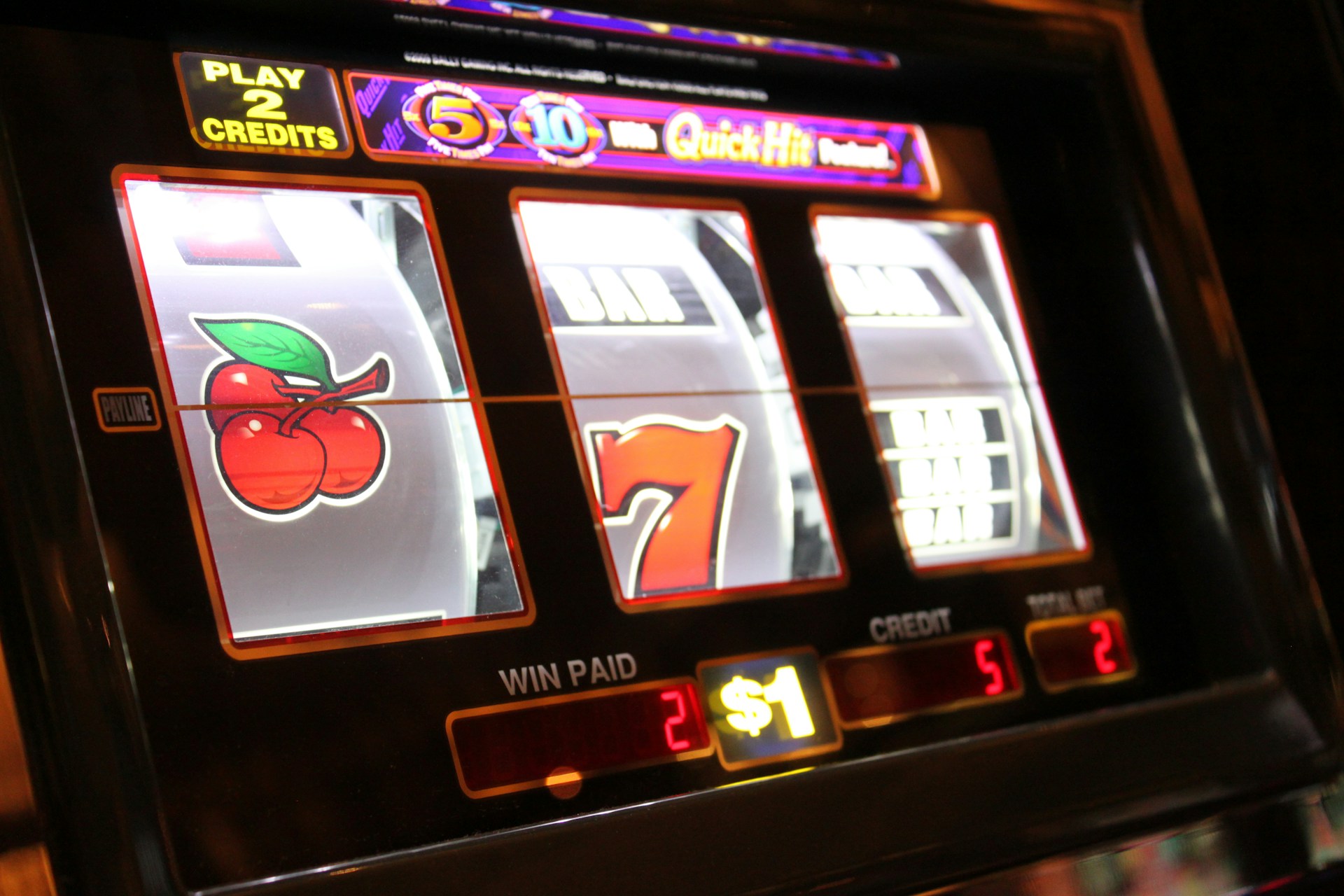
For generations of Britons, the fruit machine was an instantly recognisable piece of visual culture. Rows of symbols, flashing buttons and mechanical reels appeared in pubs, amusement arcades and seaside resorts long before anyone carried a touchscreen in their pocket.
What is interesting today is not simply that some of those machines became digital. It is how much of their original visual language survived the transition.
Why fruit symbols survived
Early gambling machines did not always look like the devices later associated with British pubs and arcades. Over time, however, bells, numbers and playing-card symbols were joined by the cherries, lemons and other fruit imagery that became particularly familiar in Britain.
The Science Museum Group’s collection explains that fruit symbols became established during the early twentieth century, when some machines were presented as chewing-gum dispensers and used imagery corresponding to different flavours. The terminology survived too: Britain kept the expression “fruit machine”, while “slot machine” became more common in the United States.
Those symbols proved remarkably durable. Even after mechanical components were replaced by microprocessors and video displays, designers retained visual references that users already recognised.
The interface outlived the mechanism
A mechanical reel had an obvious physical purpose: it moved. A digital reel does not need to exist in the same sense, yet recreating that familiar movement gives the interface a visual connection with earlier machines.
The same applies to buttons, counters and other controls. On a touchscreen, none of them needs to resemble a physical object, but designers frequently preserve those shapes because they communicate function quickly.
This is part of a much broader story in digital design. Computers retained folders, desktops and waste-paper baskets after the physical objects themselves ceased to be necessary. Gaming interfaces followed a similar path, turning mechanical conventions into graphical ones.
When the same design moves online
The digital transition eventually moved beyond dedicated machines altogether. A contemporary example of how reel-based imagery, symbols and controls have been translated into a browser environment can be seen on this website.
That reference is useful from a design perspective, but the digital format should not obscure what the product is. Online slots involve real-money gambling, carry the possibility of financial loss and are restricted to adults. They are therefore not equivalent to ordinary mobile games or other forms of digital entertainment.
Regulation has also changed alongside the interface. The UK Gambling Commission’s May 2026 market update notes that maximum stake limits for online slots are now £5 per spin for adults generally and £2 for those aged 18 to 24. These limits illustrate how moving a familiar machine onto a screen creates regulatory questions that did not exist in exactly the same form when the hardware stood in an arcade or pub.
Old symbols, new context
The history of the fruit machine is therefore also a history of interface design. Mechanical reels became animations, physical buttons became touch targets and familiar symbols moved from painted surfaces to pixels.
Yet visual continuity should not be mistaken for functional continuity. A digital product can resemble an older machine while operating within a very different technological and regulatory environment.
That tension is what makes the evolution interesting. The hardware may disappear, but the visual references often remain — carrying a century of design conventions onto the modern screen.