








Community Living Abroad: How UK Families Are Building New Lives in Portugal
If you spend time speaking to UK families who have moved abroad in recent years, Portugal comes up repeatedly. It is no longer seen only as a holiday destination or a retirement location. It has become a long-term lifestyle choice for working families, remote professionals, and early retirees looking for a different daily rhythm.
Across Lisbon, the Algarve, the Silver Coast and Madeira, new communities are forming that feel increasingly international while still connected to Portuguese culture. What stands out is not just climate or coastline, but how everyday life feels more manageable and balanced for many who relocate.
This shift is supported by broader movement patterns shown in Eurostat migration statistics, which highlight continued relocation flows within Europe, including long-term movement from the UK into Southern European countries.
Why UK families are choosing Portugal
The decision to move is rarely based on a single factor. It is usually a combination of lifestyle pressure in the UK and opportunity in Portugal.
Common reasons include:
- Lower property costs in many regions
- A warmer climate and outdoor lifestyle
- Safer and slower-paced communities
- Better work-life balance
- International schooling options in key areas
- Established expat support networks
There is also a shift in mindset. Many families are no longer seeking temporary holiday homes but places where everyday life feels healthier and more sustainable.
Where expat communities are growing in Portugal
Relocation patterns are not evenly spread. Certain regions have become clear settlement hubs due to infrastructure, services, and lifestyle balance.
The Algarve remains the most established hub, particularly for coastal towns with strong international services and year-round demand. Lisbon attracts professionals and remote workers. The Silver Coast is growing as a value-led alternative. Madeira appeals strongly to digital nomads and flexible workers.
According to Visit Portugal residency insights, long-term stays and foreign resident registrations remain strong, particularly in coastal and southern areas where lifestyle migration is most concentrated.
The Algarve as a long-term base
The Algarve is often the first step for UK families relocating abroad. It combines familiarity with strong infrastructure, including healthcare access, transport links, and international schools.
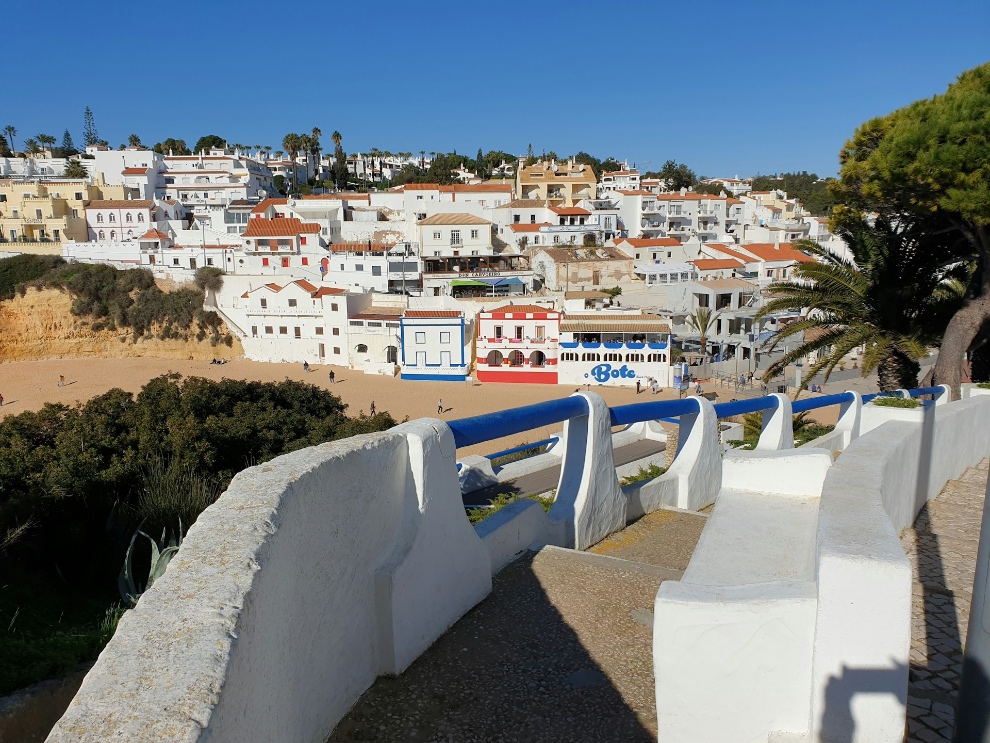
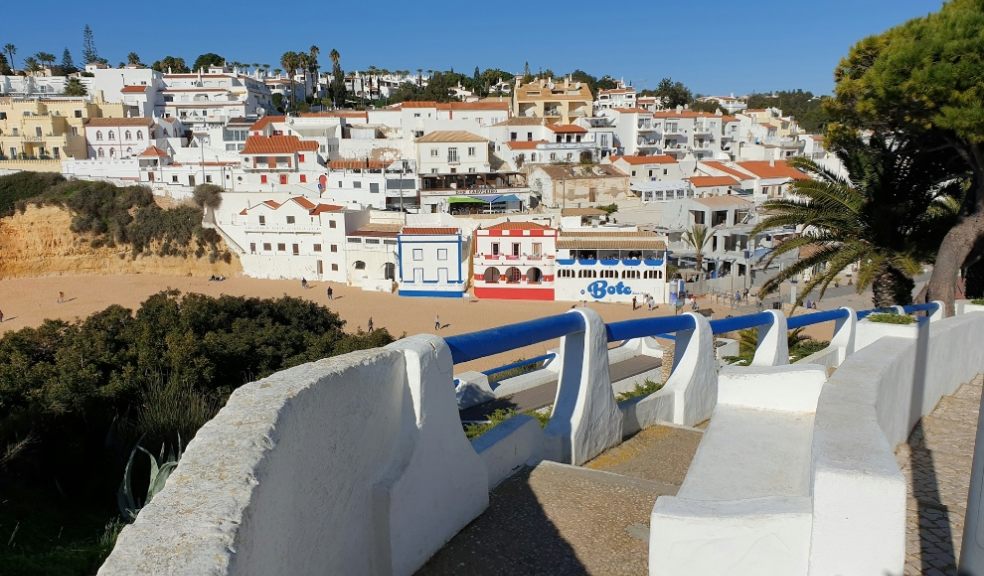
Towns such as Lagos, Tavira, Vilamoura, Albufeira and Carvoeiro each offer distinct lifestyles, from traditional fishing communities to modern marina developments.
When planning a move, many families begin early conversations with estate agents to understand local markets and long-term housing options before committing to relocation.
The Algarve also supports flexible living patterns, where some families live full-time while others split time between Portugal and the UK.
Lisbon and the surrounding region
Lisbon offers a more urban and international lifestyle. It is popular with professionals who work remotely or run international businesses.
Neighbourhoods such as Cascais and Estoril are particularly attractive to families due to their coastal setting, strong schools, and access to transport and services.
However, rising costs in central areas have encouraged some families to explore surrounding suburbs and coastal towns further along the metropolitan corridor.
The Silver Coast and value-led relocation
North of Lisbon, the Silver Coast has become increasingly popular with families seeking more space and better value.
Towns such as Caldas da Rainha, Nazaré, and Peniche offer a slower pace of life and larger properties compared to southern coastal hotspots.
The region appeals to those prioritising space, gardens, and a more local lifestyle, while still remaining connected to Lisbon and other major centres.
Madeira and island living
Madeira has grown in popularity among remote workers and younger families. It combines strong digital infrastructure with natural landscapes and a mild climate year-round.
The island also has a close-knit expat community, which helps new arrivals settle more quickly.
While property supply is more limited than mainland Portugal, demand has increased due to remote work flexibility and lifestyle migration.
How integration works in practice
Relocating is only part of the process. Integration into daily life takes time and usually follows a gradual pattern.
Most families integrate through:
- School communities and parent networks
- Local markets and independent businesses
- Gradual language learning
- Sports and outdoor activities
- Neighbourhood relationships
Children tend to adapt quickly, especially within international school environments where multilingual learning is common.
Healthcare and public services
Healthcare is often a key consideration for families moving abroad.
Portugal offers both public healthcare for residents and private healthcare widely used for faster access and English-speaking services.
In larger towns and expat regions, private clinics are common and generally well regarded. Many families use a mix of public and private systems depending on need.
Work, remote employment and flexibility
Remote work has been a major driver of relocation. Many UK households now rely on hybrid or fully remote income models.
This includes:
- Remote employment with UK companies
- Freelance digital work
- Online business ownership
- International contracting
Portugal has adapted residency pathways and frameworks that support long-term stays for non-EU residents, increasing accessibility for working families.
Education and international schools
Education is often one of the most important relocation factors for families with children.
Portugal offers public, private, and international schooling options. In regions like the Algarve and Lisbon, international schools are well established and often follow UK or IB curricula.
This helps children transition more easily and maintain continuity with future education plans, including potential return to the UK system.
Cost of living considerations
Portugal is often seen as more affordable than the UK, but costs vary significantly by region.
Typical differences include:
- Lower property costs outside Lisbon and prime coastal zones
- More affordable dining and local produce
- Similar utility and fuel costs to wider Europe
- Variable private education and healthcare expenses
Many families find that overall lifestyle value improves even when total costs are similar, due to reduced commuting and increased quality of life.
Challenges families face
Relocation is not without challenges. Common issues include:
- Administrative processes and bureaucracy
- Language barriers in rural areas
- Adjustment to slower systems
- Seasonal population shifts in tourist areas
- Distance from extended family in the UK
Most families describe the first year as the most demanding, followed by gradual adjustment and routine building.
Choosing the right region
There is no single best location for UK families in Portugal. The right choice depends on lifestyle priorities.
- Algarve for established expat networks and sunshine
- Lisbon region for city life and career opportunities
- Silver Coast for space and value
- Madeira for island living and remote work balance
Each region offers a different version of the same underlying appeal: a more balanced, outdoor-focused lifestyle.
Conclusion
The growth of UK families building new lives in Portugal reflects a wider European shift in how people approach work, housing, and wellbeing. It is less about short-term relocation and more about long-term lifestyle design.
Supported by migration data from Eurostat and residency insights from Visit Portugal, the trend shows continued movement toward regions where daily life feels more sustainable and connected.
In the Algarve especially, demand for homes continues to reflect this shift, with long-term residents becoming a larger part of the market. For many families, early conversations with ten Hoopen Realty are a natural first step in understanding how relocation could work in practice.
Portugal is not a single lifestyle. It is a network of different regions offering different versions of the same goal: a better quality of everyday life.