









What Makes the School Leavers Experience So Important for Students Today
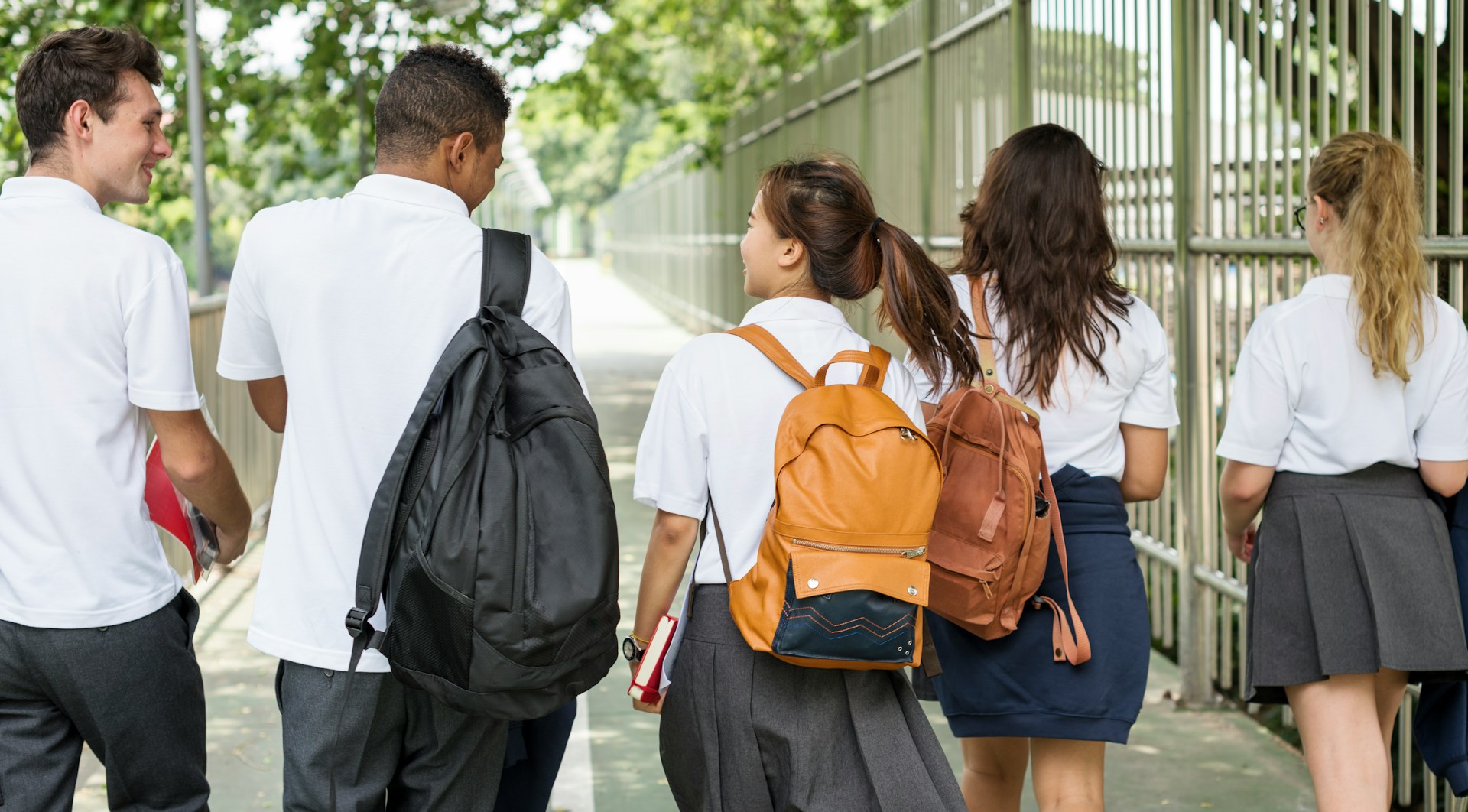
Leaving school is strange. One day you're sitting in a classroom that's been part of your daily routine for years, and then fairly suddenly, it isn't. No dramatic ending, no clean break, just a gradual realisation that something significant is coming to a close. For young people in the UK today, that transition has become one of the most emotionally loaded periods of their lives, and the way they mark it says a lot about what this generation values.
More Than Just the End of Term
It would be easy to dismiss the school leavers period as simply the end of compulsory education. Tick the boxes, sit the exams, walk out the door. But most students experience it as something considerably more layered than that. There's pride in what's been achieved, obviously. But there's also grief, of a quiet sort, for routines, for friendships that are about to change, for a version of everyday life that won't exist in the same way again.
Schools have cottoned on to this. Many now put genuine effort into shaping how the final year feels, building in events, traditions and celebrations that give the whole thing some structure. School leavers' hoodies have become part of that fabric, a simple but surprisingly meaningful tradition where every name on the back quietly says we were here, together. It's no longer just a case of results day and off you go. There's an understanding that endings matter, and that how you close one chapter affects how confidently you step into the next.
The Emotional Reality of Leaving
Here's the thing about school, for most young people, it's the longest continuous experience of their lives up to that point. Years of the same faces, the same corridors, the same rhythms. Friendships formed in those years tend to go deep, partly because they're built on sheer time spent together rather than anything particularly chosen.
So when that starts to come to an end, it hits differently than most students expect. Friends who've sat next to each other in lessons since they were eleven are suddenly heading in completely different directions, different colleges, sixth forms, apprenticeships, jobs. The daily contact that felt permanent reveals itself to be contingent. That realisation tends to sharpen people's attention. Ordinary moments start to feel worth preserving.
There's also the question of identity. School is where a lot of personal development quietly happens; where people learn how to handle disagreement, figure out their sense of humour, discover what they're good at and what they find genuinely difficult. Leaving means stepping away from the environment that shaped a great deal of who you are. That's worth pausing over, even if most teenagers wouldn't put it in those terms.
The Importance of Shared Traditions
What's particularly interesting about how young people mark the school leavers period is how collective it tends to be. It isn't just about individual achievement, it's about the group, the year, the particular mix of people who happened to go through this experience together. That shared identity matters enormously. Traditions help cement it. Leavers' assemblies, prom nights, themed days, end-of-year events, these aren't just an excuse for a party. They create a structured space for reflection and celebration outside the usual pressures of school life. They give people permission to acknowledge what the years have meant before moving on.
Personalised items play a role here too. School leavers' hoodies, designed by students to represent their specific year group, have become a familiar part of this culture. They're not just merchandise, they're a physical expression of shared identity, something that ties a group of people to a specific time in their lives. Simple, but it taps into something real.
Memory-Making in a Digital Age
Today's school leavers are the first generation to have documented essentially their entire school experience online. Photos, videos, messages, all of it captured and shared almost in real time. Memory-making has become active and conscious in a way it never used to be, with students often thinking about how a moment will be remembered even as they're living it.
That changes things, not necessarily for the worse. But it does mean the final year carries a particular kind of self-awareness. Students know they're in the middle of something significant, and that awareness shapes how they experience it.
Physical keepsakes still matter though, perhaps more than you'd expect given how digital everything else has become. A signed hoodie, a handwritten note, a printed photograph, these things do something a social media post can't quite replicate. They place you in a specific moment, in a way that feels solid rather than scrollable. Most students seem to want both, and that combination of digital and physical feels very true to how this generation actually lives.
How Schools and Families Fit In
The school leavers period doesn't happen in isolation. Schools that handle it well recognise that it's as much an emotional and social transition as it is an academic one. Making sure all students feel genuinely included, not just the ones who are loudest or most organised, takes real thought and effort, and the schools that get it right tend to leave students with a much more positive sense of closure.
Families feel it too. Watching your child leave school is one of those quiet milestones that catches a lot of parents off guard. It's one of the clearest signs yet that the person you've been raising is becoming their own. The instinct is usually to make it feel special, to mark it in some way, while also being quietly available for the moments when it feels more overwhelming than exciting.The Bigger Picture
Ultimately, the school leavers experience matters because it sits at the intersection of so many things that are genuinely significant: identity, memory, friendship, transition, growth. It's a moment that asks young people to look backwards and forwards at the same time, to hold both where they've come from and where they're going.
That's a lot to carry. And it's worth taking seriously.