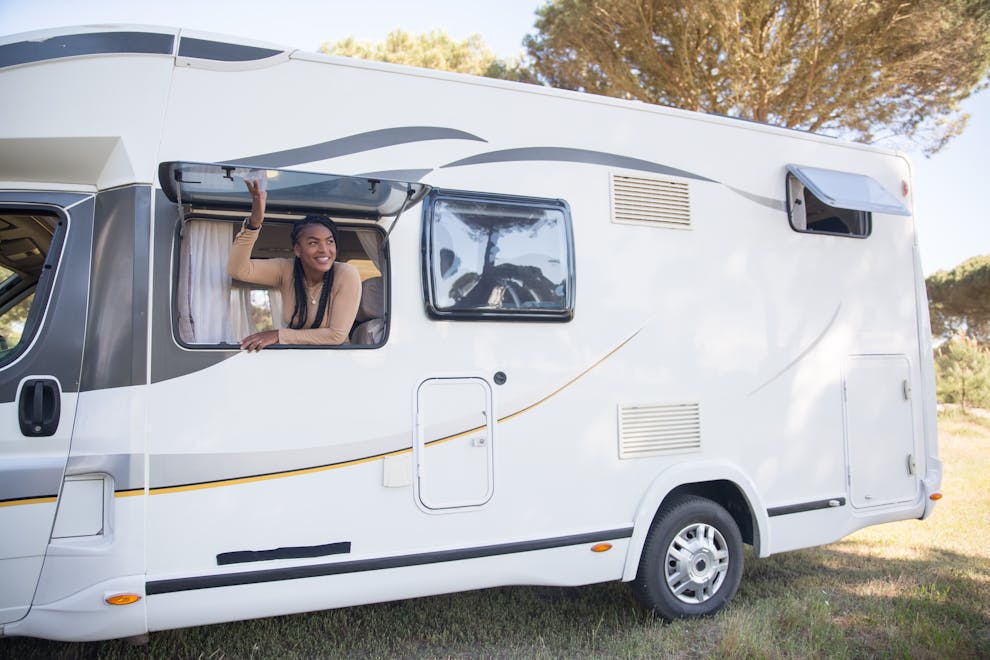









Why Flexible Solar Panels for Motorhomes Work Better Than Traditional Glass Panels
There was a time when traditional glass panels were the only serious option for motorhomes and RV vehicles. They were widely used and considered the standard solution.
But now the market is evolving. Flexible solar panels are becoming more common for motorhomes. Many RV fleet operators, rental companies, managers, and decision-makers are asking one question:
Are flexible panels really better than glass panels? Are they worth the investment?
This article explains the practical differences in real-world usage.
What Are Flexible Solar Panels?
First, it is important to define what flexible panels are.
Flexible solar panels are thin, lightweight photovoltaic modules. Like traditional glass panels, they convert sunlight into DC electricity to charge batteries through a charge controller.
The key difference is structural design. Traditional panels use tempered glass and aluminum frames. Flexible panels use lighter composite materials and polymer layers. They can bend slightly and adapt to mild curves.
This structural flexibility is valuable for motorhome roofs, which are rarely perfectly flat. Roofs often include curves, vents, air-conditioning units, and mounted equipment. Flexible panels can conform more easily to these surfaces, reducing installation complexity.
Lightweight Design Means Reduced Structural Load
Weight directly affects motorhome performance. Traditional glass panels can weigh 10–15 kg (22–33 lbs) per panel, depending on wattage and frame design. Installing multiple panels increases total roof load.
Flexible panels typically weigh significantly less for comparable wattage, sometimes up to 30–50% lighter depending on construction type and backing material.
Reduced weight can:
-
Lower structural stress on the roof
-
Reduce the need for heavy mounting brackets
-
Minimize reinforcement requirements
-
Slightly improve overall vehicle load management
For organizations managing RV fleets, cumulative weight reduction across multiple vehicles becomes operationally relevant.
Performance Under Vibration and Movement
Motorhomes operate in dynamic conditions. They experience road vibration, wind pressure, temperature fluctuation, and structural movement.
Glass panels are rigid. While durable, improper mounting or continuous vibration may increase the risk of microfractures in photovoltaic cells over time. This risk depends heavily on installation quality and support structure.
Flexible panels for motorhomes can tolerate minor surface movement because of their layered construction. They are not immune to degradation—delamination, UV wear, and thermal stress can occur, but their flexibility can reduce stress concentration in mobile environments.
For vehicle-mounted solar systems, mechanical adaptability is often as important as laboratory efficiency ratings.
Installation Efficiency and Modification Requirements
Traditional glass panels typically require:
-
Drilling into the roof
-
Mounting brackets or rail systems
-
Sealing and waterproofing
-
Professional installation in many cases
Flexible panels often use simplified mounting methods. Some models support industrial adhesive bonding systems. Others require minimal mechanical fasteners.
Electrical connection remains standard: panel → charge controller → battery system.
For fleet operators or rental companies, reduced installation time and fewer structural modifications can translate into lower labor costs and faster deployment.
Battery Maintenance and Energy Stability
Battery health is a recurring challenge in motorhomes. When vehicles remain parked, batteries gradually discharge. Deep discharge cycles shorten battery lifespan.
Flexible solar panels for recreational vehicles and motorhomes help maintain charge levels during daylight hours. Even moderate wattage systems (for example, 100–200W setups depending on configuration) can support:
-
Battery maintenance charging
-
Interior lighting
-
Water pumps
-
Basic appliance loads
Continuous maintenance charging reduces deep discharge events and may extend battery service life. For multi-vehicle fleets, this reduces replacement frequency and downtime.
Are They Worth It in 2026?
Evaluation should focus on operational conditions rather than theoretical maximum efficiency.
Under real usage conditions:
-
They reduce weight load compared to framed glass systems (depending on wattage and construction).
-
They adapt better to curved or irregular roofs.
-
They may tolerate vibration more effectively when properly installed.
-
They often require less structural modification.
-
They support battery maintenance during storage periods.
Traditional glass panels remain highly efficient and durable for fixed installations. However, for moving vehicles where weight distribution and surface conformity matter, flexible panels provide practical advantages.
For many motorhome owners and RV fleet operators, they represent a technically sound and operationally efficient solution.
FAQs
1. Do flexible solar panels produce less power than glass panels?
Glass panels can offer slightly higher efficiency per square meter, often 2–5% higher depending on cell type and configuration. However, in motorhome applications, roof shape, weight limitations, and mounting constraints often influence total usable output more than peak efficiency. Properly sized flexible systems provide sufficient power for battery charging and essential onboard systems.
2. How long do flexible solar panels last?
Quality flexible panels typically last 8–15 years, depending on UV exposure, temperature cycles, installation method, and material quality. Adequate airflow, correct bonding, and regular cleaning can improve longevity.
3. Are flexible solar panels safe in extreme weather?
They are designed to withstand rain, sunlight exposure, and typical outdoor temperature ranges. Performance may vary under extreme heat or prolonged UV exposure. As with all photovoltaic systems, correct wiring, proper charge controller configuration, and secure mounting are critical for safe operation.