








Harley Forward Controls: Why Consider Them and How to Choose
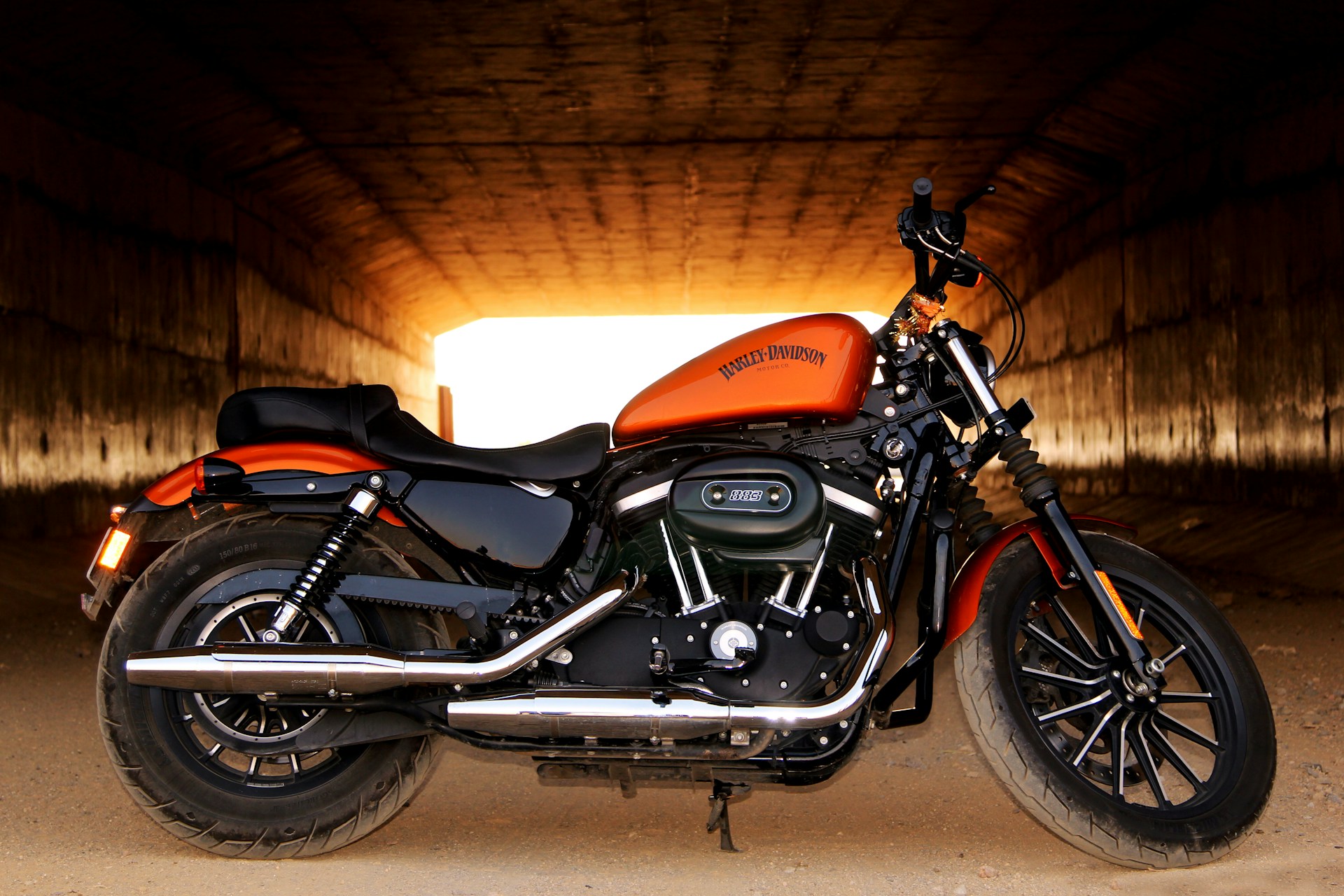
A quick glance at the current Harley bike lineup reveals a few interesting differences. Besides the general divide between larger tourers for mile-crunching highway comfort and stripped-down cruisers for shorter street bouts, the bikes also differ in basic foot controls, including clutch levers, brake pedals and matching foot pegs or floorboards.
The distinction between mid and forward controls is in line with what Harleys are all about - tailoring the bike and the ride to personal preferences. Mid controls place the feet in line with the engine, providing improved control and handling, with increased maneuverability and stability at lower speeds.
With feet directly in line with hips and shoulders, mid-controls evenly distribute weight towards the centre of the bike, ensuring quicker reaction times to changing road conditions. This builds confidence and safety. And comes as a standard factory setup in most cruiser models, ranging from Softail and Sportster models like the standard FXST, Street Bob and Roadster, to larger and heavier Dyna Glides.
Why Mid-Controls Aren't For Everyone
Switching to Harley forward controls, either as a factory option or aftermarket setup, brings key benefits, especially for taller riders. Pushing levers, pegs and pedals forward gives riders the chance to stretch legs out for a less fatiguing riding posture. Anyone taller than 6 feet will feel less cramped, with knees sitting lower and ahead of the rider's natural hip position. The recliner-like posture additionally helps with circulation, particularly among older riders.
Bikes fitted with forward controls are more accommodating on longer highway rides, where there's a minimal need for gear changes or abrupt braking, and shins well away from pegs when hitting the brakes. But improved comfort and managing fatigue on longer rides are just part of the story.
As with all things Harley, aesthetics and bike styling also play a big part. Some riders just prefer the uncluttered look of levers, pegs, boards and pedals further out. The stretched out stance and parts in premium materials and finishes add more character and expose more of the classic V-twin design Harley is known for. Both factors are the reason why forward controls and mid-to-forward control conversion kits are becoming the standard setup for a growing number of riders.
What's Included in Kits
Harley forward control conversion kits consist of all necessary components to place the foot controls 3" to 7.5" closer to the front wheel. This includes new brake and clutch assemblies and levers, extended length clutch linkages, replacement foot and shifter pegs, and the necessary hardware, such as mounting brackets and fasteners to bolt parts to the transmission and bike frame.
Some kits may also include revised master cylinder linkages and longer brake lines or heel-toe shifters for easier gear changes. Kits can be sourced as OEM parts straight from dealerships or from dozens of aftermarket manufacturers.
Common Forward Control Types and Configurations
Kits differ as to how far forward they go. This means several types and configurations:
- Standard forward controls: These move levers and pegs up to 10" forward from the factory mid-control position, extending the legs and bringing the knees lower for a more laid-back, cruiser riding stance.
- Extended reach: Riders above 6 feet can benefit from increased comfort with extensions added to standard kits, increasing legroom by up to 3 inches. These also position levers between 1 and 3 inches higher to ensure safe lean-in angles in corners.
- Extended length: These are midway between mid and standard forward controls, moving levers and pegs between 2 and 3 inches. They're the preferred choice for riders of standard height (roughly 5'10") doing a balanced mix of shorter street and highway riding.
- Floorboard conversions: More common on most Touring and some Softail models, these blend comfort and control with the addition of mini floorboards.
OEM or Aftermarket? What You Get for Your Hard-Earned Cash
The Case for Factory Harley Forward Controls
Guaranteed fit; reduced installation times (with fewer modifications); compatibility with all factory options; sound lever, pegs and mounting hardware materials (solid steel, cast or machined aluminium) and durable finishes (chrome, powder-coated, anodised) come at typical OEM price points. Standard kits average around £500 but are covered by 2-year warranties.
The Case For Aftermarket Forward Controls
With prices seriously undercutting those from dealerships, forward control sets from the dozens of specialist aftermarket brands get the basics (reach and comfort) right without charging ludicrous amounts. Levers, pegs, pedals and floorboards are offered in comparable materials, can be hand in multiple finishes, and with parts engineered for specific Harley models, ensure quick and clean installation. The trade-off is the shorter warranty, but at a fraction of the price, riders can spend the savings on other comfort additions, such as plusher aftermarket seats or tweaking the front and rear suspension.
Where aftermarket kits in comparable prices to those from the factory differ is in superior quality. This means coated and treated, one-piece billet aluminium or stainless steel, CNC-machined to exacting dimensions and providing cleaner, and undeniably more interesting looks with revised designs (incorporating niceties like heel shifters). These additionally provide cleaner shifting and braking, with aftermarket sets known for higher adjustability so riders can dial in just the right pedal and shifter feel.
Key Buying Considerations
Compatibility with the bike, material quality and kits designed for your height and riding position are the main buying considerations in Harley Davidson forward controls. Ensure parts are provided with mounting hardware to seamlessly integrate with the rest of the bike, and provide optimal brake feel and shifter actuation. Universal parts are cheaper, but will often suffer from excessive play (or inferior quality).
Some kits might additionally necessitate workarounds with the exhaust piping during installation. A better proposition is to choose forward controls designed specifically for your Harley model, as these shorten installation times, provide more durability and won't impede braking or shifting functionality.
While stainless steel is the go-to choice for OE parts, aftermarket forward controls err towards lightweight aluminium. The material is corrosion-resistant, generally easier to shape and machine, and provides comparable strength when optioned as billet metal. Aesthetics can also be improved with a variety of finishing processes, such as anodising, powder-coating and brushing.
Lastly, consider controls in the right length. These need to match leg inseams and overall height without extending too far and impacting rideability. Moreover, levers and pedals need to provide the full range of motion, without binding or hurting braking or shifting performance. Shop parts directly from Harley dealerships or go aftermarket for a wider selection of available lengths, materials and designs that suit your bike.