








Community Energy Independence: A Local’s Guide to the 2026 Smart Export Guarantee (SEG) in Devon
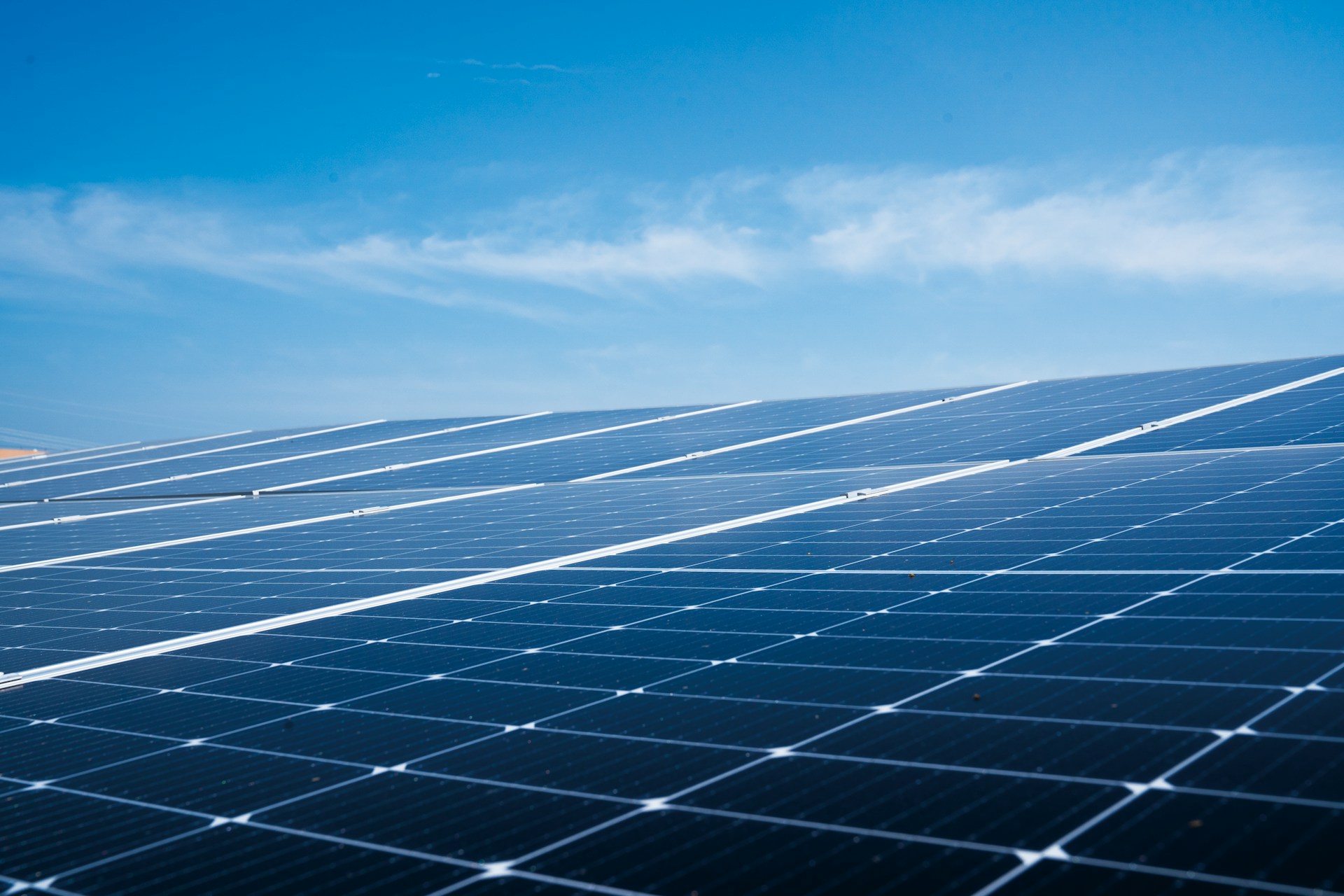
In 2026, Exeter is no longer just a historic cathedral city; it is a blueprint for the UK’s decentralized energy future. As Exeter City Council accelerates toward its "Net Zero 2030" goal—including the recent expansion of solar arrays across leisure centres and the award-winning Water Lane Smart Grid—local homeowners are discovering that they can do more than just lower their bills. By leveraging Solar4Good and the latest Smart Export Guarantee (SEG) tariffs, Devon residents are transforming their rooftops into micro-power plants that actively fund the local green economy.
Why Exeter is the "Solar Capital" of the South West
The South West has always enjoyed some of the UK’s highest solar irradiance levels, but 2026 technology has finally caught up to the potential. Modern "N-type" solar cells now generate significantly more power even on those typical misty Devon mornings.
Local initiatives like Exeter Community Energy (ECOE) have paved the way, but the real shift this year is in private energy sovereignty. With the 2026 energy price cap still showing volatility, the financial "moat" provided by a home solar and battery system is the most effective hedge against inflation for Exeter families.
Mastering the 2026 Smart Export Guarantee (SEG)
If you installed solar panels five years ago, you likely "fitted and forgot" them. In 2026, that is a costly mistake. The gap between standard export rates and "Smart Tariffs" has widened significantly.
- The 20p Benchmark: While some legacy suppliers still offer a measly 4p–5p per kWh, 2026’s top-tier SEG tariffs in the South West are now rewarding efficient exporters with up to 15p–29p per unit—provided you have an MCS-certified installation and a smart meter.
- Grid Balancing: In Exeter, the local distribution network (WPD) is increasingly rewarding households that "load shift"—storing solar power during the day and discharging it to the grid during peak evening hours when the city’s demand is highest.
Solar + Battery: The Devon Duo
The most successful solar installations in Exeter this year have one thing in common: Battery Storage. Without a battery, you are likely exporting your cleanest energy at noon only to buy it back at a premium at 7 PM.
A typical 4kWp system in Devon, paired with a 10kWh battery, can now achieve 80% self-sufficiency. For a detached home in areas like Topsham or St Leonards, this translates to annual savings exceeding £850, even before factoring in SEG payments.
Navigating Local Planning and Grants
Exeter residents benefit from some of the most progressive "Permitted Development" rights in the country. Most domestic solar installs don't require planning permission, even in many of our city’s conservation areas, provided they meet specific aesthetic criteria (such as all-black, low-profile panels).
Furthermore, the 2026 0% VAT relief remains a massive incentive, effectively knocking 20% off the total cost of both panels and standalone battery retrofits. For those in eligible postcodes, the ECO4 Flex scheme continues to provide subsidized pathways for lower-income households to join the solar revolution.
Final Thoughts: A Greener Exe
Energy independence isn't just a financial decision; it's a community one. Every kilowatt-hour generated on an Exeter rooftop reduces the need for fossil-fuel-derived power to be pumped into the city. By investing in modern solar technology today, you aren't just protecting your bank account—you’re helping Exeter reach its 2030 milestone four years early.