








Ancient Rome Continues to Dictate the Plans of Exeter’s Grecians
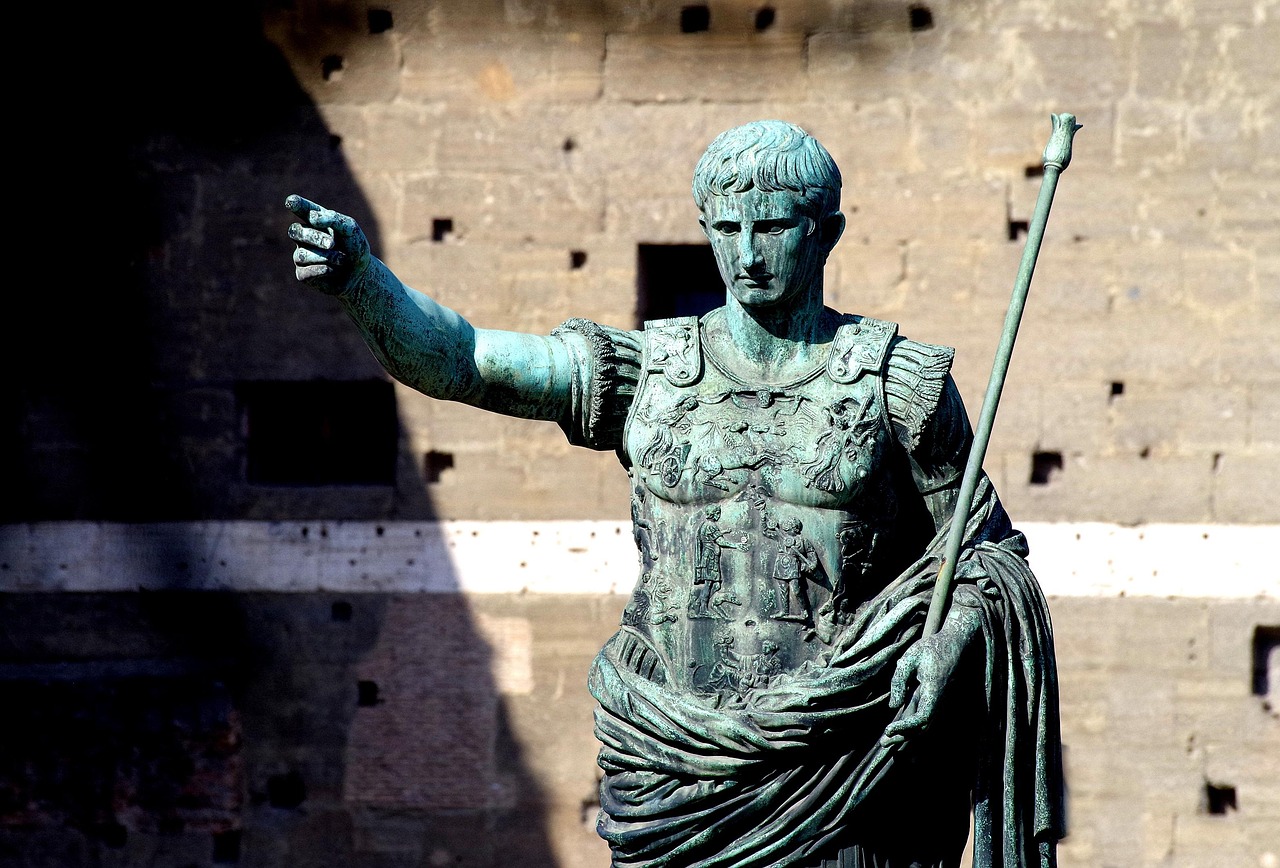
Exeter is famed for its remarkably well-preserved collection of Ancient Roman architecture. The city continues to be surrounded by these historic works, and while they give Exeter a distinct feel and make it a huge attraction for visitors, it’s not uncommon for modernisation plans to run aground because of these sites.
Most recently, the Devon Archaeological Society had to step in to warn that a plan to change a car park into a block of 300 flats would jeopardise important Roman sites. With the city needing to preserve its ancient heritage, it’s only right that societies continue to flag plans that could damage these irreplaceable monuments.
Somewhat strangely, though, with Ancient Rome being so prominent across the city, it’s actually the myths of Ancient Greece that the people more commonly associate themselves with. This is despite the city being essentially unknown to the Greeks before the Romans came along.
A Fort Taken Back by the Tribes
Originally named Isca, Exeter was established when a 42-acre stadium fort was built in the area. It was home to around 5,000 soldiers, leading to the establishment of a much larger civilian community in and around the fort, comprised of their families and many from the native tribes.
Eventually, the Romans moved into Wales, making a fort in Caerleon to become their primary base of operations. As the years passed, the Roman presence faded, leaving behind many exquisite buildings and walled cities. From Isca’s founding in 55AD, it was abandoned by 75AD, leading to it being taken over by civilians.
Among those were the Dumnonii, with Greco-Roman mathematician Ptolemy listing the settlement as one of their four main cities and their tribal capital. While the colossal bathhouse was demolished to make way for more civilian-focussed venues, the very useful wall remained, eventually being rebuilt on the Roman lines by Alfred the Great. Many of those walls still stand today, offering a mix of Anglo-Saxon and Roman construction.
Yet, Exeter is Tied to the Ancient Greeks
While it was the Romans who’d change Britain forever, it’s the tales of the Ancient Greeks that prevail as a huge point of interest and within our modern entertainment. Rome certainly spread its religion, but being able to look back, we see the Greeks as the originators of the glut of Roman lore, letting us side with their mythical retellings.
It’s why The Odyssey is primed to be the biggest film of 2026, and why online entertainment platforms continue to explore their stories. Predominantly among the collection of jackpot slots, creatives continue to draw from Ancient Greece. The biggest of the jackpot collections, Age of the Gods, continues to add dedicated games to its mythical figures and events.
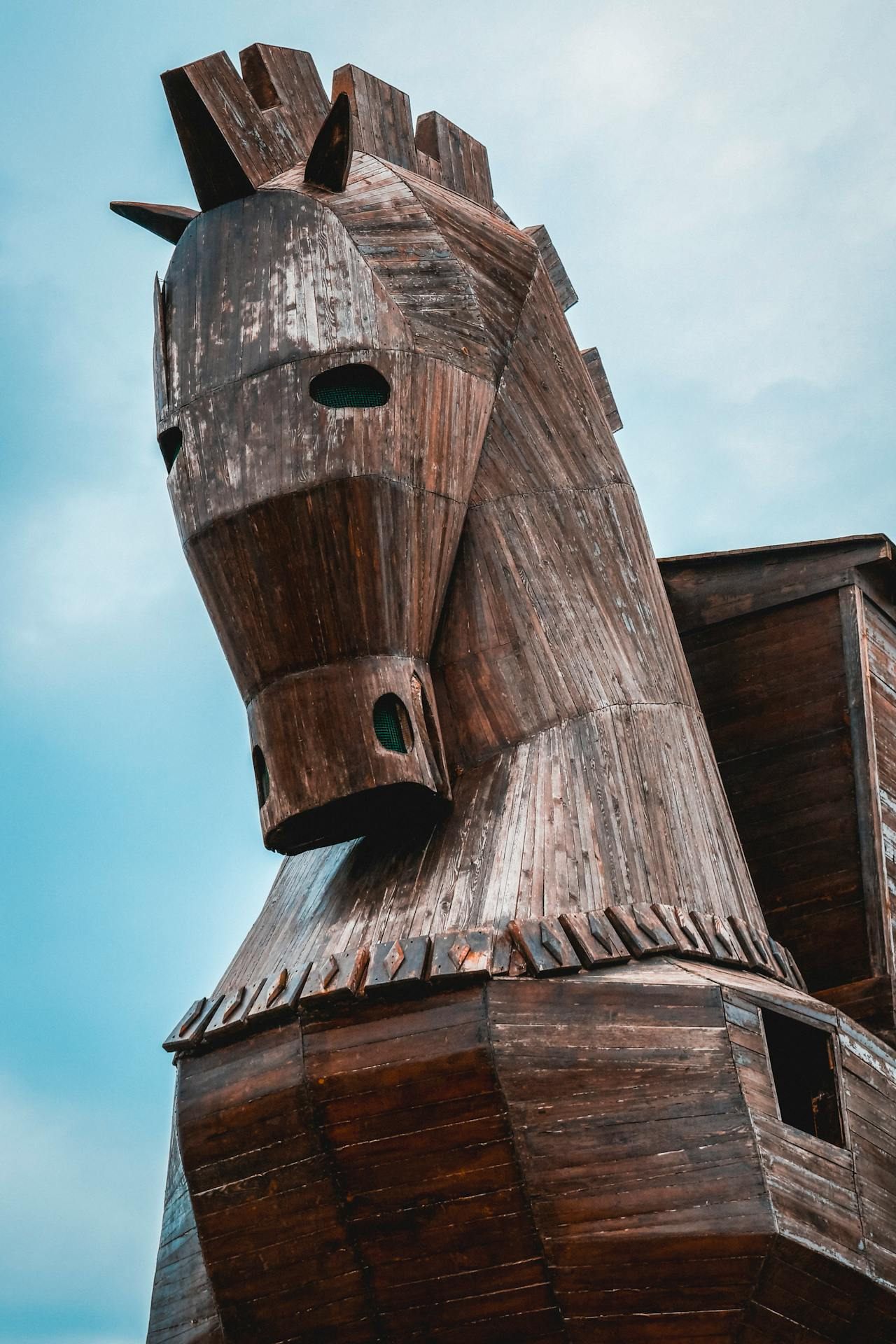
Zeus, Pegasus, Daedalus, Poseidon, Helios, Midas, Hades, Medusa, Apollo, the Griffin, and the Trojan War all get their own jackpot games, showing the broad appeal of the myths today. In fact, it’s the latter of those, the Trojan War, that continues to reverberate in modern-day Exeter.
After all, the self-given name for many residents, and particularly those associated with the football club, ‘The Grecians,’ comes from the Trojan War. It’s said that a re-enactment of the myth in the 18th Century had those playing the Greeks being those who lived outside of Exeter’s Roman wall, with those within being the Trojans.
Exeter is very much a city founded by the Ancient Romans, and while their structures surround the city, those who remain are now the Grecians – essentially flipping the transfer of power seen in the Mediterranean back then.