









Optic Shops vs. Online Retailers: Where Should You Get Your Next Pair of Glasses?
Buying glasses used to be simple. You walked into a local optical shop, tried on frames, had your eyes tested, and left with a clear plan. Today, online retailers have changed that routine. With a few clicks, you can browse hundreds of styles, compare prices, and order glasses without leaving your home.
Both options have clear advantages. The better choice depends on what you value most: speed, cost, precision, guidance, or flexibility. This guide breaks down the real differences so you can decide with confidence.
What do optic shops offer that online retailers cannot fully replace?
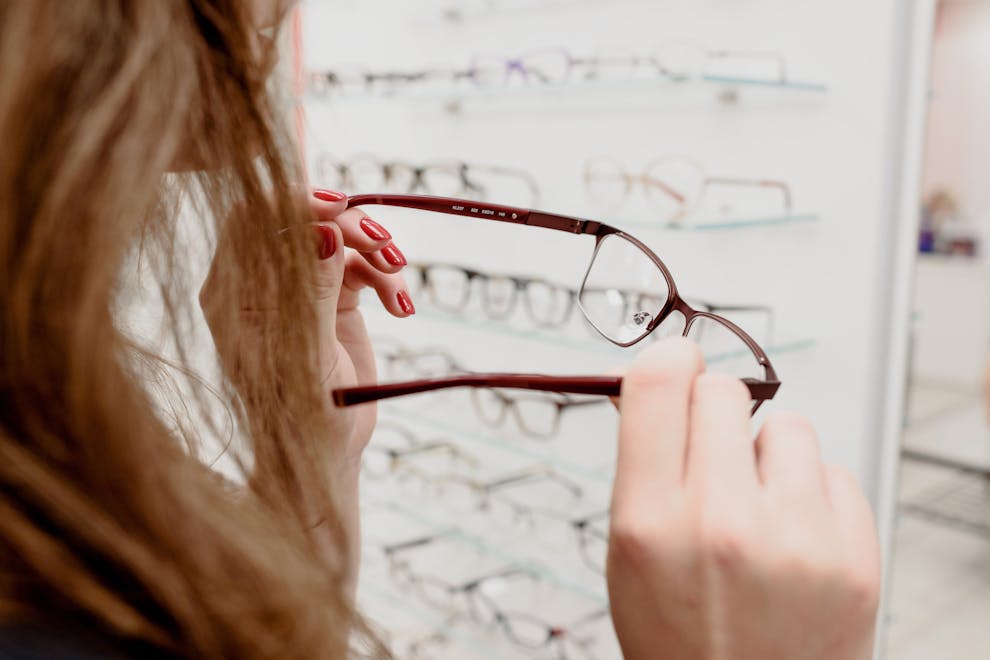
Optic shops are built around personal service. The experience is hands-on and guided, which matters more than many people realise. When you visit an optical shop, you usually benefit from:
- Professional eye testing on-site
- Frame fitting tailored to your face shape and measurements
- Immediate feedback on comfort and visual clarity
- Expert advice based on lifestyle, work, and vision needs
Opticians can spot subtle issues, such as frames sitting too low or lenses that may cause distortion. These are details that photos and size charts often miss online.
For people with strong prescriptions or complex vision needs, this level of attention can make a noticeable difference in comfort and long-term satisfaction.
Why do online retailers appeal to so many buyers?
Online retailers focus on convenience and choice. They allow you to shop at any time, compare prices quickly, and explore a wide range of styles without pressure.
Key reasons people choose online include:
- Lower prices and frequent promotions
- Larger style selection across many brands
- Easy browsing from home
- Quick ordering without appointments
Online platforms also make it easier to explore trends or experiment with new looks. Virtual try-on tools have improved, giving a rough idea of how frames might suit your face.
For buyers with a simple prescription and a clear idea of what they want, online shopping can be efficient and cost-effective.
How does accuracy compare between optic shops and online retailers?
Accuracy is where the difference often becomes clear. Optic shops take precise measurements, such as pupillary distance and lens positioning, using professional tools. These measurements ensure lenses align correctly with your eyes, which affects clarity and reduces strain.
Online retailers usually rely on:
- Self-entered prescription details
- Manual measurement or app-based tools
- Standardised lens placement
While this works well for many people, small errors can lead to discomfort, headaches, or visual fatigue, especially with stronger prescriptions.
If your vision is sensitive or you spend long hours wearing glasses, a professional fitting can be worth the extra effort.
Which option is better for first-time glasses wearers?
First-time wearers often benefit more from visiting an optical shop. Adjusting to glasses can feel strange at first. Having a professional explain lens options, frame fit, and adaptation periods can make the transition smoother.
Optic shops provide:
- Clear explanations of lens types and coatings
- Support during the adjustment phase
- Easy follow-up if something feels off
Online retailers assume a level of confidence and familiarity that beginners may not yet have. Without guidance, it is easier to choose frames that look good but feel uncomfortable after long wear.
Are online retailers suitable for fashion-focused buyers?
Yes, especially when style is a top priority. Online platforms often excel at showcasing fashion-forward designs. They make it easy to browse collections, compare colours, and follow seasonal trends.
This is particularly appealing when shopping for designer sunglasses, where aesthetics play a major role alongside basic UV protection. Online retailers offer quick access to premium styles without the limitations of in-store stock.
For fashion-driven purchases that do not require precise vision correction, online shopping can feel more flexible and inspiring.
How do returns and adjustments differ between the options?
Returns are an important but often overlooked factor.
Optic shops usually offer:
- On-the-spot adjustments
- Frame tightening or reshaping
- Direct support if lenses feel wrong
Online retailers may offer returns, but the process can involve:
- Repacking and shipping
- Waiting for replacements or refunds
- Limited adjustment options once delivered
If comfort and fit are priorities, the ability to walk back into a store for quick fixes can save time and frustration.
What about long-term value rather than upfront cost?
Online glasses often appear cheaper at first glance. However, long-term value includes more than price.
Optic shops may cost more initially, but they often provide better durability through proper fitting, ongoing adjustments and care, as well as fewer replacements due to discomfort. Online purchases can be great deals, but if you end up reordering or avoiding wearing them due to poor fit, the savings quickly disappear.
Can a hybrid approach make sense?
For many people, the best solution is not choosing one over the other but using both strategically.
A hybrid approach might look like this:
- Visit an optical shop for eye tests and primary glasses
- Use online retailers for secondary pairs or style-driven purchases
- Buy everyday prescription glasses in-store and sunglasses online
This balance allows you to benefit from professional care while still enjoying the convenience and variety of online shopping.
How should you decide where to buy your next pair?
Ask yourself a few practical questions:
- Is your prescription simple or complex?
- Do you prioritise comfort or style?
- Is professional guidance important to you?
- Are you buying for daily wear or occasional use?
Your answers will usually point you in the right direction.
Final thoughts: which option truly fits your needs?
Optical shops and online retailers both serve a purpose. One offers expertise and precision. The other offers speed and variety. Neither is universally better.
The smartest choice is the one that matches how you use your glasses, how sensitive your vision is, and how much support you want during the process.
When you understand the strengths and limits of each option, choosing your next pair becomes far less complicated and far more satisfying.