








How online pharmacies are reaching the Devon villages that lost their chemist
There is a particular sort of quiet that has settled over some of Devon's smaller high streets in recent years. The old chemist is boarded up. The prescription counter that three generations of a village used has gone. The nearest replacement is now a fifteen or twenty minute drive along the A30, or a bus that runs twice a day.
Rural Devon has been at the sharp end of a national trend. In the decade to 2024, England lost more than a thousand community pharmacies. Devon lost dozens of them, and the losses were concentrated in the market towns and villages where they were hardest to replace.
The community consequences have been serious enough. Older residents who used to walk to collect their prescriptions now depend on family members driving in from Exeter or Plymouth for the weekly run. GP surgeries have absorbed the queries that would once have been resolved over the pharmacy counter. Volunteer transport schemes report more requests for chemist collection than for any other single reason.
The response has come from an unexpected direction.
A switch to delivery
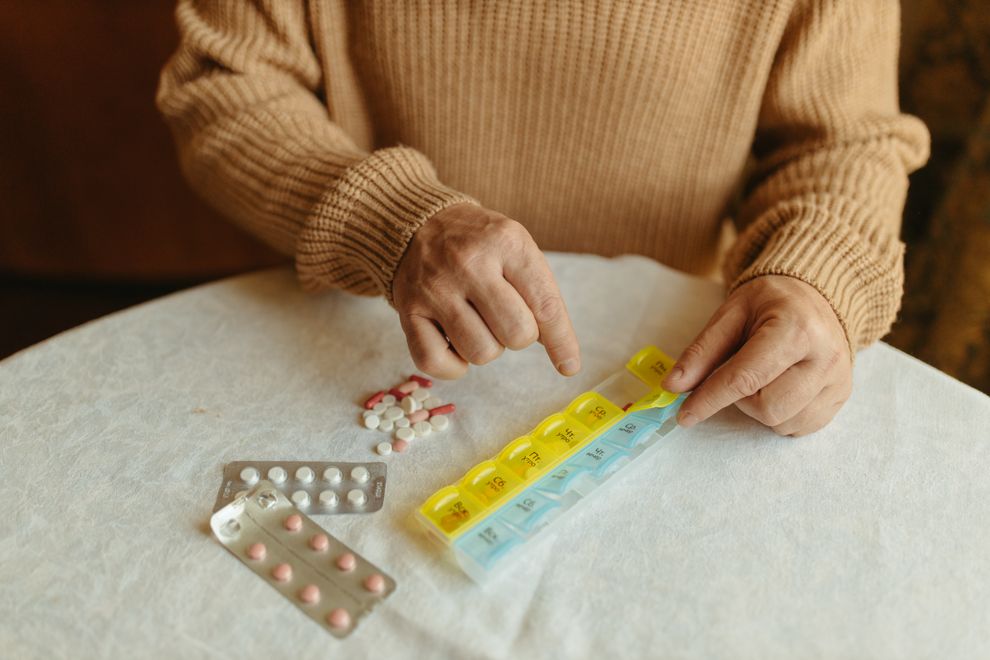
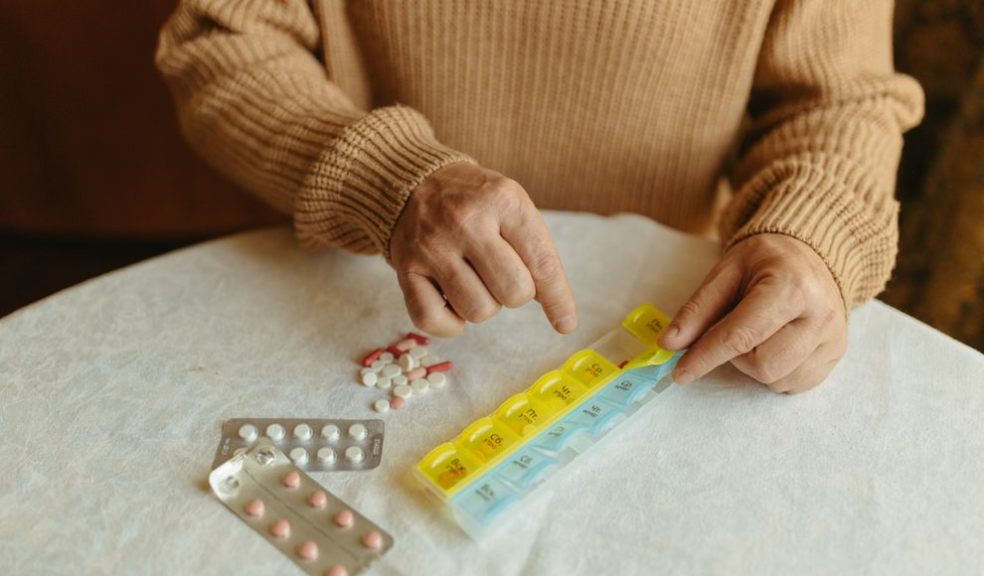
Households across East and Mid Devon have been reorganising how they handle prescriptions. The repeat prescription, the antihistamines for the pollen season, the paediatric paracetamol restocked before the summer holidays, all of it increasingly arrives by post rather than being collected in person.
Households making the switch typically sign up with a UK-registered service such as 121 Pharmacy, which dispenses under the same General Pharmaceutical Council rules that govern any shop on the high street. A qualified pharmacist reviews each order. The prescription is filled against the same NHS or private script. What differs is the last step. Rather than being collected from a counter, the medication is packaged and posted.
For a household in Chagford or Bampton or Hemyock, the practical difference is significant. The weekly trip to Exeter or Tiverton is no longer built around a pharmacy visit. Repeat medications arrive at the door. The pharmacist is still available on the phone or through the website for questions.
Who has taken it up first
Local GP practices have reported a shift in patient behaviour that maps closely to the national data. Working-age patients moved first, then families with young children, then, more recently, older residents whose adult children helped them set up an account.
The retiree audience has grown particularly fast in Devon, which has one of the older population profiles in England. For patients on multiple regular medications, the shift has removed a recurring logistical problem. Prescriptions synchronise. Deliveries land on the same day. The medication that has to be taken every morning does not need to wait for a lift into town.
What has stayed on the high street
The switch has not been total, and the surviving high street pharmacies are finding their role has clarified rather than disappeared. Walk-in advice for minor ailments. Vaccinations. Blood pressure checks. The NHS Pharmacy First service that lets pharmacists prescribe for a defined list of common conditions. These require a trained pharmacist on the premises and a patient in front of them.
The everyday repeat prescription, the sun cream, the box of plasters and the antiseptic wipes for the caravan, have moved to the post. The clinical consultation has stayed in person. Pharmacists themselves describe the split as a healthier use of their time.
What it means for the community
Local public health voices have been broadly welcoming of the shift, on the grounds that it has helped reduce the number of missed prescriptions in rural areas that lost their local chemist. Missed medication has been one of the clearest downstream problems since the closure programme, and any structural change that addresses it has tended to get a fair hearing.
None of this replaces the loss of a village chemist as a community fixture. The bell over the door and the pharmacist who knew the family history is not something a courier can substitute. But for a county whose geography has always made healthcare access difficult, the change has quietly filled a gap that was starting to widen.
The chemist has not gone away. It has just, in many parts of Devon, moved to the letterbox.