








5 Things You Should Know Before Booking an Oral Health Evaluation
An oral health evaluation does more than check teeth. It provides a complete look at the health of the mouth, gums, and oral tissues. This visit helps identify early signs of problems that may otherwise go unnoticed until they cause discomfort or damage. Understanding what to expect before booking an oral health evaluation helps you prepare, save time, and get the most benefit from your appointment.
Many people think a routine check-up and an oral health evaluation serve the same purpose, but they differ in scope and detail. The evaluation often takes longer because it involves deeper assessments for issues such as gum disease and oral cancer. Knowing how often to schedule one, what preparation helps, and how to manage your booking guarantees a smoother experience for both you and your dental team.
-
The frequency of evaluations varies from 3 months to 2 years, depending on oral health
The timing of dental evaluations depends on each person’s oral health status. Patients with healthy teeth and gums may only need a review every 18 months to 2 years. Those with gum disease, active decay, or higher risk factors might need visits every 3 to 6 months to monitor changes.
A dentist determines the right interval after reviewing oral hygiene, previous dental treatment, and lifestyle habits. Regular reviews help identify problems such as cavities or gum inflammation before they worsen. Children and teenagers often require shorter gaps between visits because their teeth and gums change faster.
Anyone visiting an oral health clinic in London can expect a similar approach. Dentists assess both medical history and current oral condition before setting a recall period. This flexible schedule helps maintain long-term oral health without unnecessary appointments while giving early attention where it is most needed.
-
Assessments include checks for gum disease, dental decay, and oral cancer
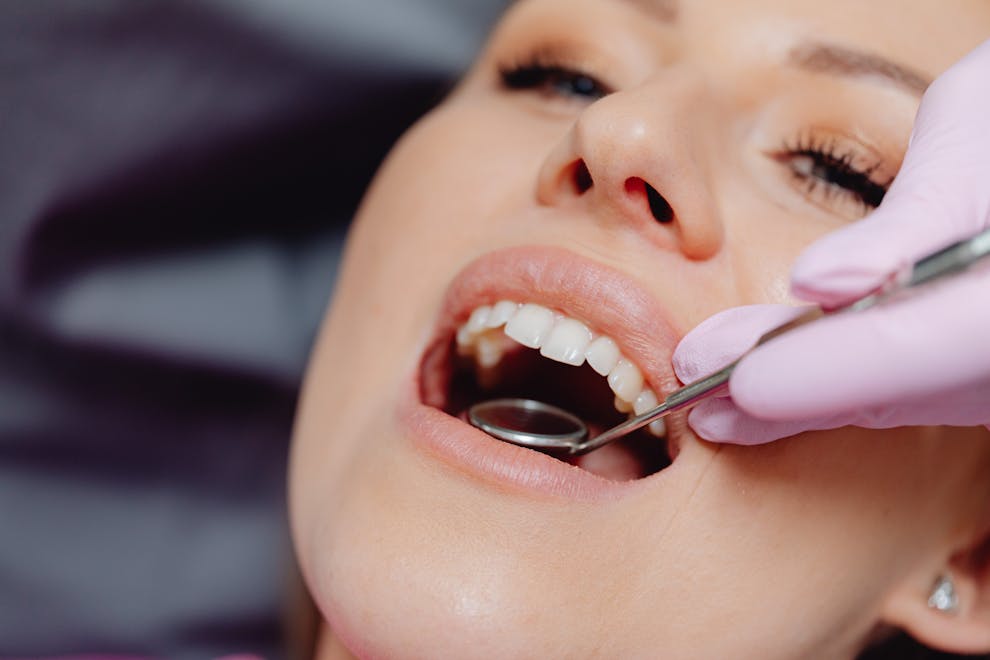
An oral health evaluation helps the dentist look for early signs of common dental issues. They inspect the gums for redness, swelling, or bleeding, which can point to gum disease. Detecting these changes early allows treatment before the problem worsens.
The dentist also looks for dental decay by checking the surface of each tooth and, if needed, using X-rays to spot hidden cavities. They assess old fillings or crowns to confirm they still protect the teeth properly. Early treatment of decay prevents pain and more complex work later.
In addition, the dentist examines soft tissues inside the mouth and around the lips and neck for signs of oral cancer. This check includes spotting unusual patches, lumps, or sores. Early detection often makes treatment more effective and can reduce long-term complications.
Regular evaluations help identify changes before they cause discomfort. They also guide patients toward better habits for maintaining good oral health.
-
Appointments may take longer than standard check-ups due to thorough assessments
An oral health evaluation often lasts longer than a routine dental visit because it involves a detailed review of the mouth, teeth, and gums. The dentist collects past medical and dental history to understand any factors that could affect treatment. This extra time helps create a clear picture of overall oral health.
The dentist may carry out detailed scans, X-rays, or other diagnostic tests to detect early signs of problems not visible in a regular check-up. These steps take time but allow for accurate findings and better planning for any future care.
In addition, the appointment usually includes advice on daily oral care and discussions about diet or habits that may impact teeth and gums. The focus remains on prevention and long-term wellbeing rather than a quick inspection. As a result, patients should allow extra time in their schedule for a full and careful assessment.
-
Brush and floss your teeth before your appointment to aid the dentist’s examination
Brushing and flossing before an appointment helps reduce food particles and plaque. This simple step allows the dentist to see the teeth and gums more clearly. It also gives the mouth a cleaner feel, which makes the visit more pleasant.
Clean teeth help the dentist focus on checking for cavities, gum problems, or other issues without surface debris getting in the way. A quick brush before the visit also shows a commitment to good daily care. Therefore, it can lead to better feedback from the dentist on current habits.
It is best to brush gently with fluoride toothpaste and pass floss between each tooth to remove trapped particles. Rinsing with mouthwash afterward can add freshness and reduce bacteria. By arriving with clean teeth, patients support a smoother and more efficient examination.
-
Inform the clinic at least 24 hours in advance if you need to confirm or cancel your booking
Most clinics ask patients to contact them at least 24 hours before an oral health evaluation if they need to confirm, change, or cancel their appointment. This time frame allows the clinic to offer the slot to another patient and manage schedules smoothly. Short notice cancellations often leave the clinic with unused time that could have helped someone else.
It is best to call or use the online booking system listed in the confirmation message. Some clinics also accept emails, but a quick phone call is often faster. Always have your appointment details ready, such as the date, time, and clinician’s name.
Giving notice also helps avoid possible late cancellation fees. Many practices apply charges if a patient fails to attend or cancels too late. By contacting the clinic early, patients show respect for staff time and keep appointment systems more efficient for everyone.
Conclusion
An oral health evaluation gives people a clear view of their dental condition and helps detect issues before they worsen. Regular visits allow dentists to track changes in the mouth and provide early treatment for problems such as tooth decay or gum disease.
Patients who understand the steps of this assessment often feel more prepared and less anxious. They can discuss their oral care habits, ask focused questions, and make informed choices about future dental visits.
Taking time to plan an evaluation supports long-term mouth care and saves potential costs later. It also builds confidence in daily hygiene routines and encourages consistent follow-up appointments.