








The Story Behind Danish Butter Cookies and Why the World Can't Get Enough of Them
Danish butter cookies have a global reach that few food products from a small Scandinavian country can claim. Found in supermarkets, gift shops, and department stores from Tokyo to São Paulo, the familiar round tin filled with five distinct shapes has become one of the most universally recognised food products in the world — yet the tradition behind it is rooted in something remarkably simple and deeply Danish.
A Tradition Built on Quality Ingredients
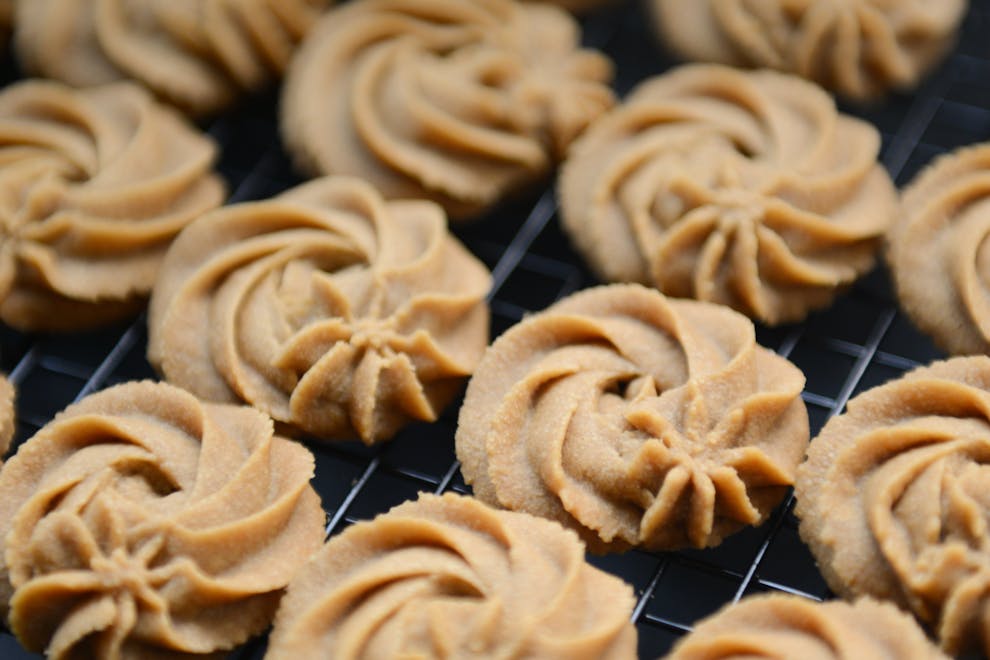
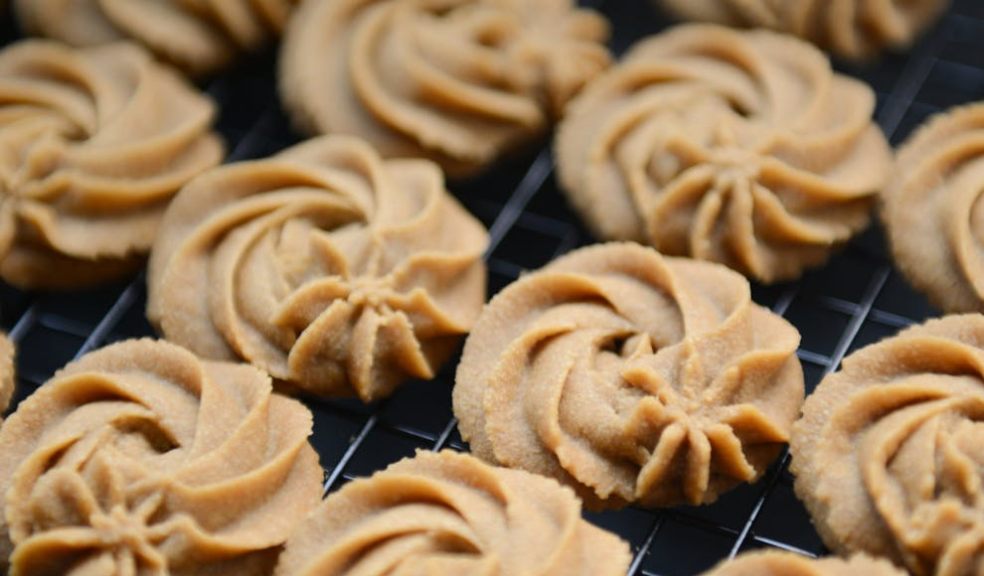
Danish baking has long placed fresh butter at the centre of its pastry and biscuit traditions, and the butter cookie is perhaps the clearest expression of that philosophy. The recipe is deliberately uncomplicated — butter, flour, sugar, and eggs — but the quality of each ingredient and the precision of the baking process determine everything. The characteristic lightness and crisp texture of a well-made Danish butter cookie like the original Danish butter cookies brand comes from the high butter content and the care taken not to overwork the dough, a distinction that separates the genuine article from the many imitations that have appeared in markets around the world over the decades.
The Five Shapes and What They Mean
The classic assortment typically includes five shapes — the ring, the pretzel, the round, the coconut ring, and the stripe — each with a slightly different texture and bite depending on how the dough is formed and how it sits in the tin. These shapes have remained largely unchanged since the tradition was formalised in Danish bakeries in the mid-twentieth century, and their consistency is part of what makes the product so trusted by consumers who have grown up with them across generations.
The tin itself has become as much a part of the cultural identity as the cookies inside it — repurposed endlessly for storing everything from sewing supplies to old photographs, it occupies a particular place in the collective memory of households worldwide.