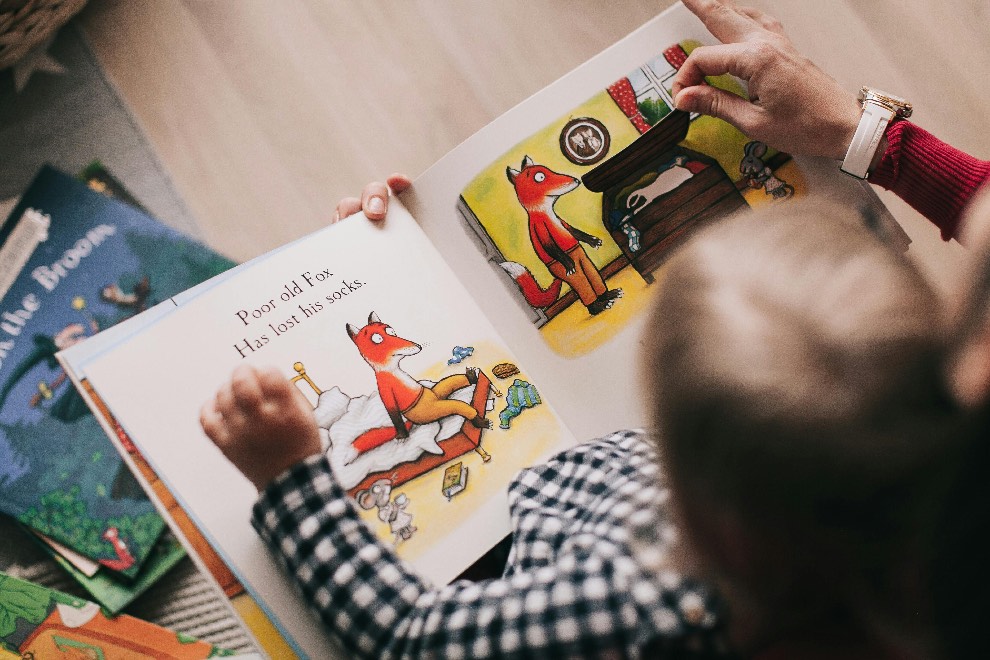










World Book Day, 5 March, celebrates reading – but what if your child finds reading hard?
As schools across the country prepare to celebrate reading on World Book Day, Thursday 5th March, Evolve Psychology in Exeter says it should also be a prompt to focus on why some children find reading more of a frustration than a pleasure.
Dyslexia may explain reading and writing challenges for more than 1 million school pupils in the UK* who are estimated to have this Specific Learning Difficulty (SpLD). As far fewer are diagnosed, most won’t understand the reason for their struggles.
Dyslexia
Dyslexia impacts someone’s ability to read, write, spell and process written information.
Signs of dyslexia
·Reading slowly and with effort
·Difficulty decoding unfamiliar words
·Confusing similar-looking letters
·Inaccurate spelling
·Disorganised or limited written work
·Difficulty remembering sequences or following multi-step instructions
·Challenges with phonological awareness (identifying or manipulating sounds)
·Difficulties with working memory, organisation, and time management
School feedback that may suggest dyslexia
Dyslexia is not always identified at school, as it can show up in subtle ways that may not be easily spotted in a busy classroom.
It might be worth considering the possibility of dyslexia if a teacher mentions that your child:
·Struggles to concentrate and focus, but you don’t see this at home.
It can mean they give up on writing/reading due to difficulties. It is worth following up with the teacher, to explore whether this ‘zoning out’ happens consistently during literacy tasks and not at other times.
·Takes longer than their peers to read and write.
This can suggest they are finding the task more difficult than they should, even though they do get there in the end.
·Doesn’t always follow verbal instructions.
Dyslexia is primarily a literacy difficulty but it encompasses executive function challenge too. This means the mental skills that enable a person to get things done, like remembering and planning.
·Shows a marked contrast between verbal abilities and written. For example, the child talks in class confidently, but communicate their ideas in writing to a much lower standard.
·Becomes frustrated and possibly bad-tempered in the classroom, in a way that seems out of character.
This behaviour may be communicating difficulty. Aim to establish whether the ‘meltdowns’ are linked to reading and writing tasks.
The importance of recognising dyslexia
Understanding whether your child has dyslexia can make a significant difference academically and emotionally:
·Self-esteem
The reassurance of knowing that literacy difficulties are not linked to intelligence and confidence that they can achieve their goals, just sometimes with the right support.
·Support
Identifying practical tools that can help them to perform to the best of their ability, such as assistive technologies like text to speech software and dictation.
·Exam accommodations
It may be important that your child has access to adjustments help improve exam performance, especially at key stages, like GCSEs. Common accommodations include extra time, a reader or computer reader and text to speech or scribe, to help demonstrate knowledge.
·Co-occurring conditions
Dyslexia often overlaps with other conditions, particularly ADHD. Being aware of this can help you and the school stay alert to additional needs and ensure the right support is in place.
Dyslexia is not linked to intelligence, but struggling with literacy can impact a person’s experience of education, work and often, their self-esteem. Early recognition can lead to swifter interventions that help fulfil a child’s potential.
Alicia Johnson, Specific Learning Difficulty Assessor, at Evolve Psychology, says:
“Struggling with literacy is such a fundamental challenge; it impacts a person’s experience of education, work and often, their self-esteem.
“Dyslexia is not linked to intelligence, and occurs across a range of abilities, but early recognition leads to swifter intervention and more positive outcomes.
“Importantly, there are steps to take so that spelling, reading, writing and also processing becomes easier. This includes calling on assistive technology to help overcome the barriers of dyslexia, fulfilling a child’s potential.”