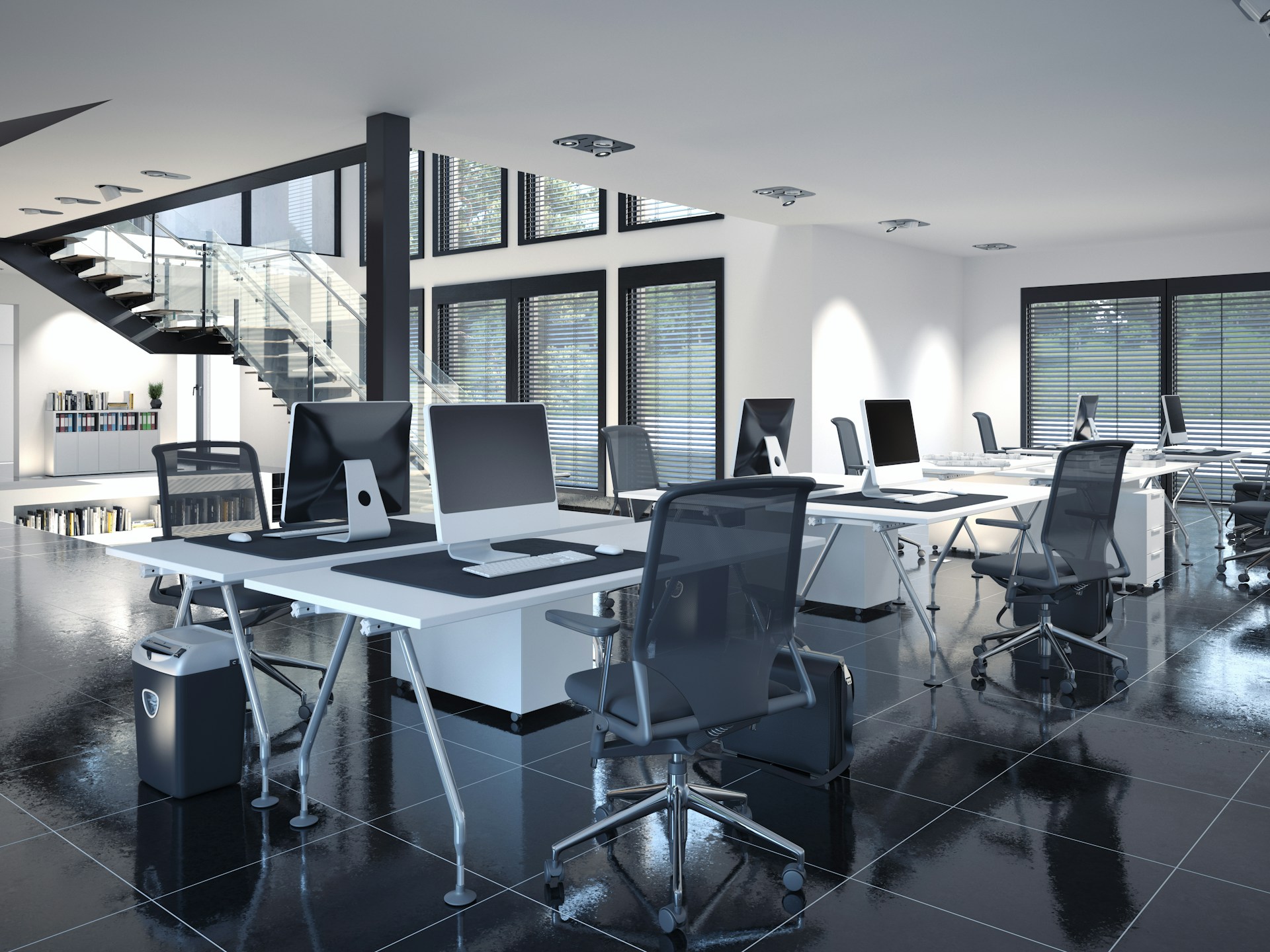










Why Office Redesigns Often Start With Blinds?
Office redesigns usually begin with good intentions: improve productivity, refresh the brand image, and create a space people actually enjoy working in. Yet many projects stall early, becoming expensive, disruptive, or visually inconsistent. One common challenge sits right at the edge of the room—windows. Light, glare, privacy, and temperature all stem from them, and when they’re poorly managed, even the best furniture and layouts fall short. That’s why experienced designers and facility managers often start office redesigns with blinds, not desks or décor.
Light Control Sets the Foundation for the Space
Natural light is essential in offices, but unmanaged light quickly becomes a problem. Glare on screens, uneven brightness, and overheated zones reduce focus and comfort. Before choosing finishes or layouts, designers look at how light behaves throughout the day.
This is where commercial blinds play a foundational role. They allow offices to shape light rather than fight it, creating consistent conditions across workstations, meeting rooms, and shared spaces. By controlling light early, the rest of the redesign becomes easier to plan and more predictable in outcome.
Blinds Define Privacy and Professionalism
The modern design of glass-heavy buildings reveals their interior spaces to outside viewers because these buildings do not have enough shading systems to provide proper coverage. The exposure of people in these areas creates a subtle impact on their behaviour because they develop feelings of being observed, and they become preoccupied and avoid specific spaces.
The installation of blinds establishes separate visual zones, which block any possibility of achieving complete separation of the area. The design elements create spaces that provide both privacy to meeting rooms and concentration areas for work and purposeful reception areas. Designers should implement layout and branding elements into their work after privacy solutions are in place because they no longer need to address visibility issues.
Comfort Drives Productivity More Than Aesthetics
A visually impressive office still fails if it’s uncomfortable. Temperature swings near windows, cold spots in winter, and overheating in summer quietly undermine productivity. Employees may not always articulate this discomfort, but it shows in focus and energy levels.
The environment becomes stable through early solutions that handle thermal problems and glare issues. It’s one reason blinds are often prioritised before other interior investments. Blinds serve as both decorative elements and functional components, which establish the operational characteristics of a room throughout daily activities.