








Top Winter Safety Tips for Those Working Outdoors
Winter in the UK isn’t exactly known for being easy on anyone who works outdoors. With freezing mornings, sudden downpours, icy pavements, and daylight that disappears before you’ve even had lunch, staying safe on the job takes a bit of extra planning. There are a few health and safety issues when working outside during winter that need to be addressed, including staying warm, staying seen, and staying careful.
Dress Smart: Layering Up for Cold, Wet and Windy Weather
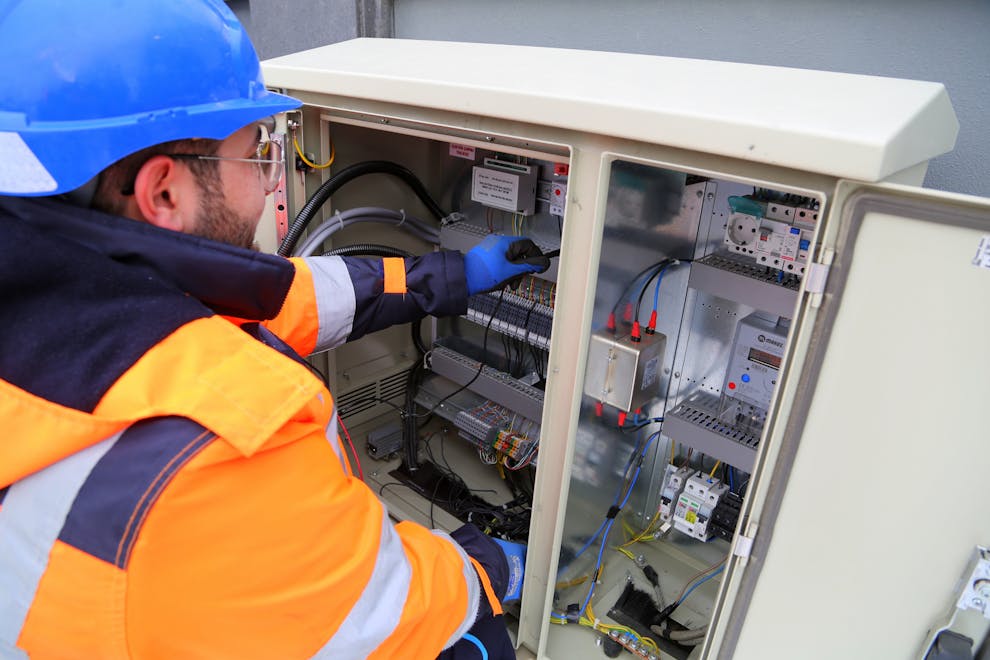
When the temperatures drop, it's important to have proper clothing to help you stay warm. The Health and Safety Executive (HSE) highlights that employers must protect workers from cold exposure and provide suitable gear, especially during wintry spells. Think along the lines of base layers, waterproofs, insulated gloves, and sturdy winter boots. Many outdoor workers are now opting for heated workwear to stay warm without adding bulk.
Stay Seen: Shorter Days Mean Reduced Visibility and Higher Risk
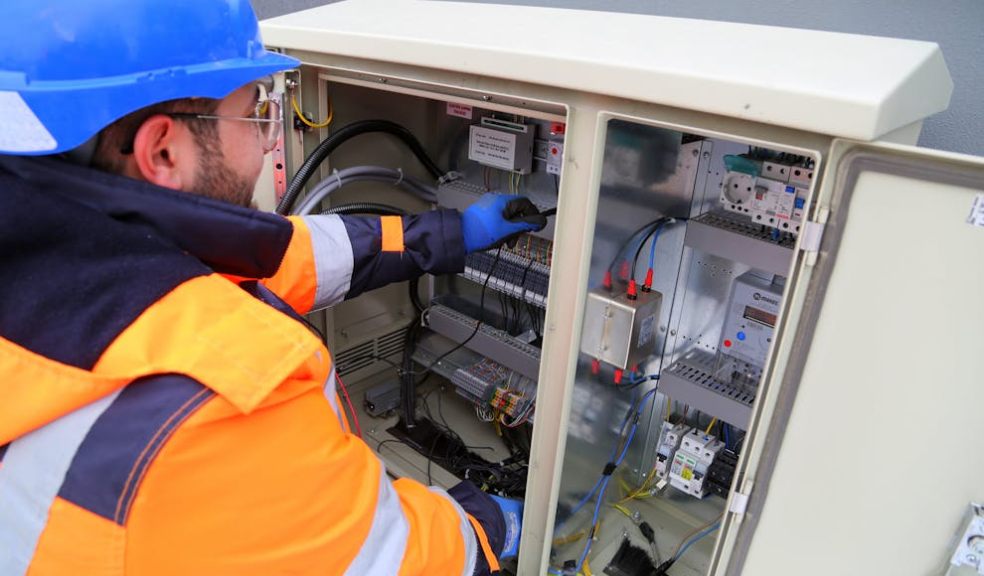
Reduced daylight hours make working outdoors a lot trickier, as visibility drops sharply from late autumn into winter, meaning workers are often left completing the day's tasks in the dark towards the end of the day. Recent UK guidance shows that darker conditions increase slip and trip risks, and that good site lighting and high-visibility clothing become essential once the clocks go back to ensure visibility and safety for all.
Watch Your Step: Preventing Slips, Trips, & Falls On Snow & Ice
Winter weather can bring treacherous conditions, including ice, slush, and persistent rain. These conditions can significantly increase the risk of workplace accidents for outdoor workers, so safety needs to be a priority when the conditions deteriorate. The UK has lost approximately £512 million per year in production because of slips and trips, and the majority of these were caused by poor housekeeping. HSE advises gritting walkways, improving drainage, using anti-slip footwear, and regularly inspecting outdoor surfaces to minimise hazards.
Take Breaks and Know the Signs of Cold Stress
Regular warm-up breaks, access to hot drinks, and early recognition of cold stress symptoms can reduce serious health risks like hypothermia and frostbite. HSE and legal guidance stress that employers must schedule breaks and provide facilities to help workers regulate temperature during freezing spells.
Be aware of early signs of cold stress, such as shivering, fatigue, and numbness - this will allow you to take swift action before conditions become dangerous.
Safety needs to be a top priority for employers and employees during winter. Employers need to improve safety standards in order to avoid health and safety hazards and illness among staff. This is especially relevant for employees working outdoors during the UK winter, which we all know can be unpleasant at the best of times!
Gallery