









Flight Case Solutions for Professional Equipment: What Buyers Need to Know
Exeter and the wider Devon region continue to grow as significant hubs for technical innovation, live entertainment, and high-end manufacturing. For operations managers and production professionals across the South West, the logistical challenge of moving sensitive equipment remains a top priority. Whether it is audio-visual gear for a festival at Powderham Castle or delicate laboratory instruments for the Science Park, ensuring items arrive in perfect working order is essential for maintaining business continuity.
Many procurement buyers often ask how to balance weight with durability or what specific internal configurations are necessary for long-term protection. The primary solution lies in selecting high-specification transit containers that provide shock absorption, moisture resistance, and security. By focusing on the structural integrity of the outer shell and the density of the internal foam, businesses can reduce the risk of costly downtime caused by transit damage.
The Logistics of Professional Equipment Transport
Moving expensive hardware requires more than just standard packaging. In the fast-paced environment of event production and industrial engineering, equipment is frequently loaded onto vehicles, stacked in warehouses, and subjected to the physical stresses of road transport. For facilities teams, the goal is to find a system that simplifies this movement while offering maximum protection.
Standardised transit solutions often fail to account for the unique dimensions or fragility of professional-grade tools. Quality casing must withstand impacts, varying temperatures, and repeated handling. Professionals look for features such as reinforced corners, recessed handles, and heavy-duty castors to ensure that even the heaviest items can be moved safely by a single technician.
Choosing the Right Flight Case for Your Assets
When selecting a protective solution, the choice of materials is the most critical factor. High-performance containers use a combination of birch plywood coated in a phenolic laminate or lightweight plastic composites for the outer walls. These materials provide a high strength-to-weight ratio, which is vital for reducing shipping costs without compromising the safety of the contents.
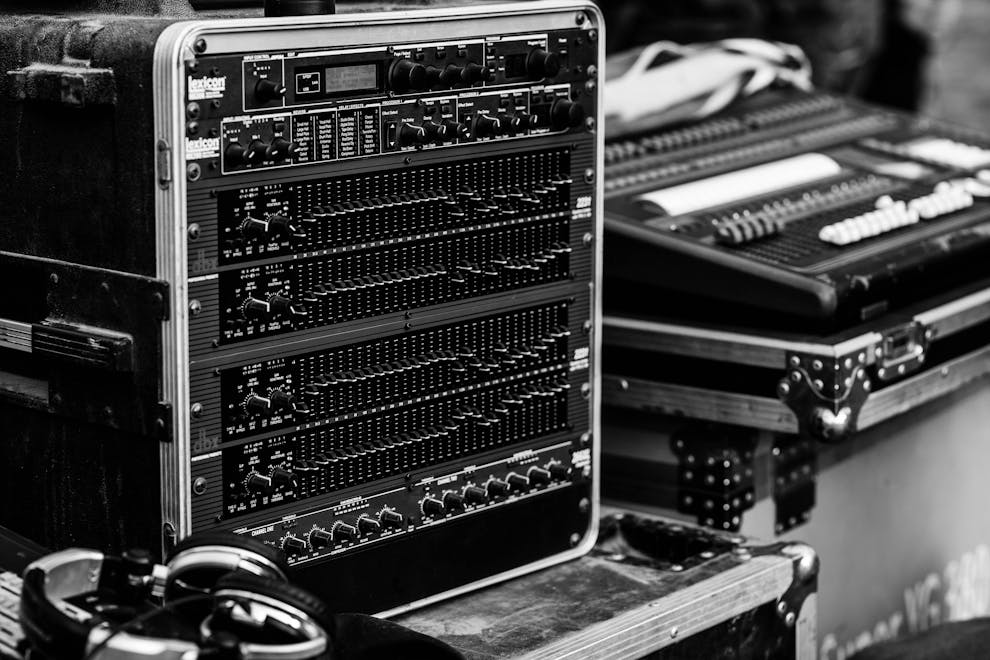
Finding a reliable Flight Case is the standard industry approach for transporting everything from mixing consoles to medical devices. Flight Case Warehouse provides a wide range of these durable containers, manufactured to withstand the rigours of international travel and heavy industrial use. The internal fit is just as important as the exterior. CNC-routed foam inserts ensure every component stays in place, preventing internal movement that can lead to mechanical failure or cosmetic scratches.
Key Considerations for Procurement and Operations
For procurement buyers, the decision-making process should involve a thorough assessment of the equipment lifecycle. A well-built transit case is an investment that can last for decades, often outliving the technology it was originally bought to protect.
Internal Layout and Organisation
A generic box rarely provides the level of security needed for sophisticated electronics. Customised internals improve organisation, making it easier for technicians to perform inventory checks at the end of a project. This level of organisation reduces the likelihood of leaving expensive cables or accessories behind at a venue.
Security and Identification
In the busy world of logistics, equipment can easily be misplaced. Many professional cases now feature integrated tracking slots or engraved branding. High-security latches and padlocking points are also essential for businesses that frequently leave gear in unsecured locations overnight.
Mobility and Ergonomics
Health and safety regulations in the UK place a heavy emphasis on safe lifting practices. For large-scale items, integrated wheels or skid runners are necessary. Operations managers must ensure that the chosen transit solution does not create a physical burden on the crew, making ergonomic handle placement a key feature to look for during the buying process.
Maintaining Your Transit Solutions
To ensure the longevity of your protective gear, regular maintenance is required. This involves checking the latches' tension, ensuring the castors are free of debris, and inspecting the foam for signs of degradation. Even a durable outer shell requires care to keep it functioning as intended.
Replacing worn-out foam or updating hardware is a cost-effective way to extend the life of your fleet. As technology evolves and equipment sizes change, many cases can be refitted with new internal configurations, providing a sustainable alternative to purchasing entirely new units.
Supporting the South West’s Professional Industries
The success of Exeter’s technical and creative sectors relies on the reliability of their tools. From AV professionals setting up corporate conferences to engineers delivering components to aerospace facilities, the transport infrastructure is a silent yet vital part of the local economy.
By prioritising high-quality transit containers, businesses protect their financial investments and their reputation for reliability. When a piece of equipment works exactly as it should after a long journey, it reflects the professionalism and foresight of the operations team involved. Investing in the right protection is a fundamental step in ensuring that Devon’s businesses remain competitive and efficient in an increasingly mobile professional landscape.