








The Evolution of Events: Then vs Now
Events have always played a powerful role in bringing people together, whether for business, celebration or community. But the way events are planned, experienced and remembered has changed significantly over time. What once focused on formality and structure has shifted towards flexibility, experience and personal connection.
Here’s a closer look at how events have evolved.
Then: One-Size-Fits-All Experiences
Events used to follow a predictable format. Standard venues, fixed layouts and rigid schedules were the norm. Whether it was a corporate function or a wedding, there was often a “correct” way to do things. The focus was on delivering an event that met expectations rather than one that stood out. Personalisation was limited, and guests were expected to adapt to the format rather than the other way around.
Now: Tailored and Experience-Driven
Modern events are far more personalised. Every detail, from layout to lighting, is designed to create a specific atmosphere and reflect a unique vision. Flexibility is key. Event planners are increasingly turning to Dynamic Marquees, allowing them to design spaces that suit the event rather than fitting the event into a fixed venue. The result is a more immersive and memorable experience for guests.
Then: Function Over Feeling
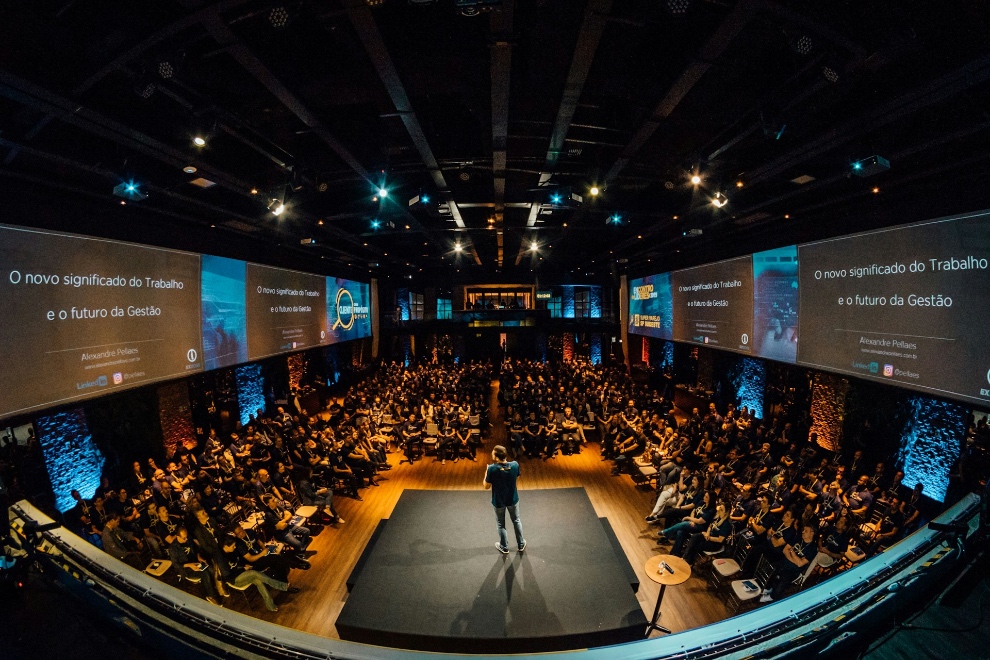
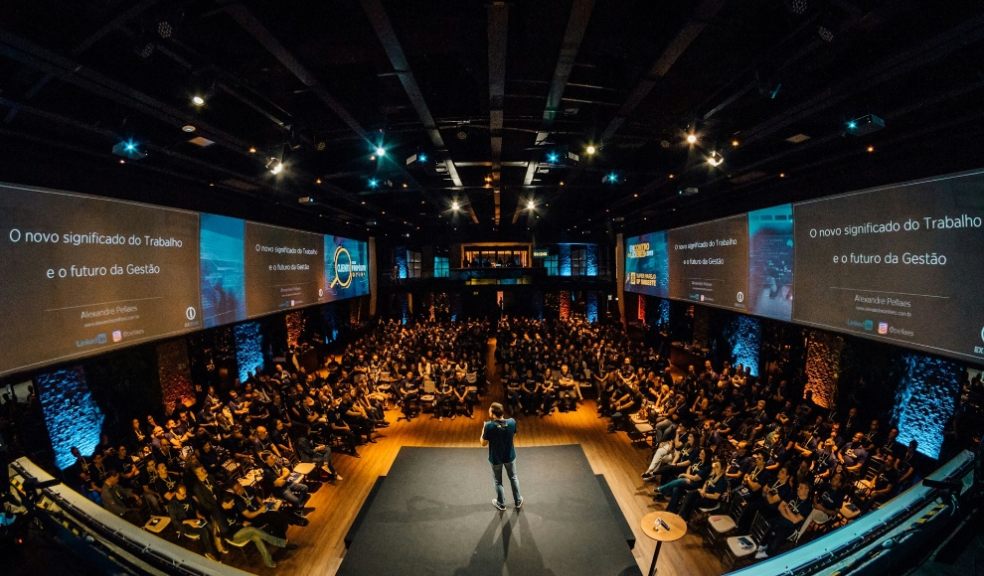
In the past, events were often structured around function. Conferences focused heavily on content delivery, and social events prioritised tradition over atmosphere. While these events served their purpose, they did not always prioritise how attendees felt throughout the experience. Engagement was often passive, with limited opportunities for interaction.
Now: Emotion and Engagement First
Today’s events are designed with the guest experience at the centre. It is not just about what happens, but how it feels. Interactive elements, thoughtful pacing and carefully curated environments all contribute to stronger engagement. Attendees expect to be involved, not just present.
Then: Limited Technology
Technology used to play a minimal role in events. Basic audio-visual setups were often the extent of it, and communication before and after the event was limited. This made it harder to build anticipation or extend the event’s impact beyond the day itself.
Now: Digitally Enhanced Experiences
Technology now supports every stage of an event. From online invitations and live streaming to real-time engagement tools, it enhances both accessibility and reach. Events can now exist beyond physical boundaries, connecting audiences in ways that were not possible before.
Then: Fixed Locations and Formal Settings
Traditional venues often dictated the structure and tone of events. Hotels, conference centres and banquet halls were the default choices. While reliable, these spaces could feel restrictive and sometimes lacked character.
Now: Flexible Spaces and Creative Environments
Event locations are no longer limited to conventional settings. Outdoor spaces, pop-up venues and custom-built environments are becoming more popular. This shift allows organisers to create spaces that feel unique, adaptable and aligned with the purpose of the event.
Then: Guests as Attendees
Previously, guests were often passive participants. They arrived, followed the schedule and left. Interaction was limited, and the overall experience was more observational than immersive.
Now: Guests as Participants
Modern events encourage active participation. Whether through networking opportunities, interactive sessions or social elements, guests are now part of the experience. This shift creates stronger connections and makes events more memorable.
Then: Short-Term Impact
Events were often seen as one-off occasions. Once they ended, their impact was limited to those who attended. Follow-up was minimal, and long-term engagement was not always a priority.
Now: Long-Term Value and Connection
Today’s events are part of a larger strategy. They are designed to build relationships, generate ongoing engagement and create lasting impressions. From pre-event promotion to post-event follow-up, the focus is on extending the value well beyond the day itself.
A Clear Shift in Mindset
The evolution of events reflects a broader change in expectations. People no longer attend events simply because they are invited. They choose events that offer value, experience and connection.
By understanding how things have changed, organisers can create events that not only meet expectations but exceed them, delivering something that feels relevant, engaging and worth showing up for.