







Portable Toilet Rental for Events: An Organiser's Essential Guide
Planning an event involves a long list of logistical hurdles, but few are as critical to the comfort of your attendees as toilet facilities. If people cannot find a clean place to go, they will leave early. Getting your on-location sanitation right requires more than just calling a rental company and asking for a few cabins. You need a strategy based on the nature of your gathering, the duration, and the specific needs of your visitors.
Estimating the Numbers
The most common mistake organisers make is underestimating the quantity of units required. A standard rule of thumb suggests one unit per 75 to 100 people for an event lasting up to six hours. However, if you are serving alcohol, you should increase that number by at least 15 per cent. People consume more liquids and visit the facilities more frequently when drinks are flowing.
Consider a graduation party held in a large garden. If you have 100 guests over an afternoon, two units might suffice. However, if that party turns into an evening celebration with a bar, a third unit prevents long queues. For large public events like town fairs or music festivals, you must also account for accessibility. If you find the maths a bit tricky or have a unique layout, checking a resource like portabletoiletslimited.com and other professional sanitation providers can help you pin down exactly what you need based on your specific guest count.
Positioning Your Units
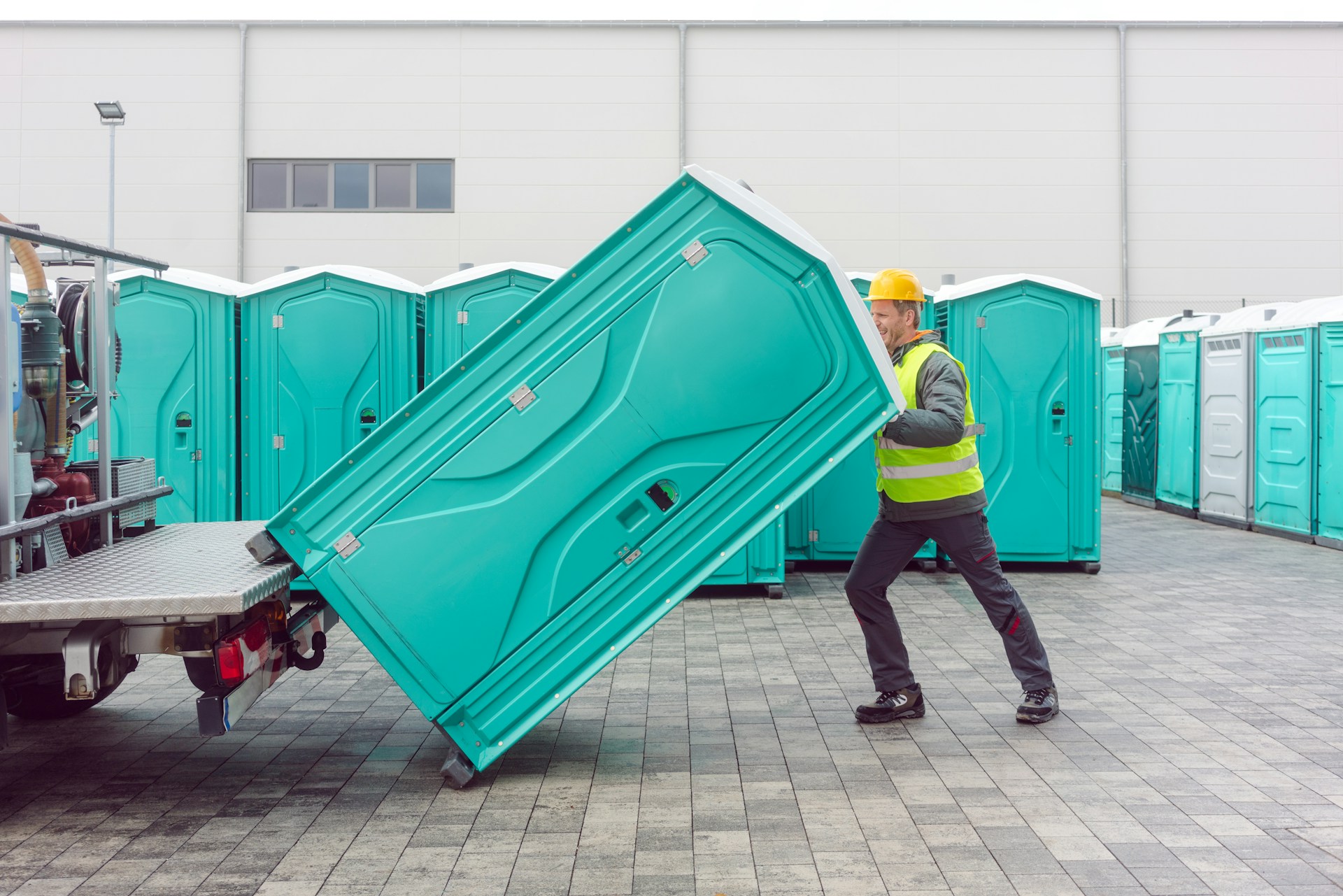
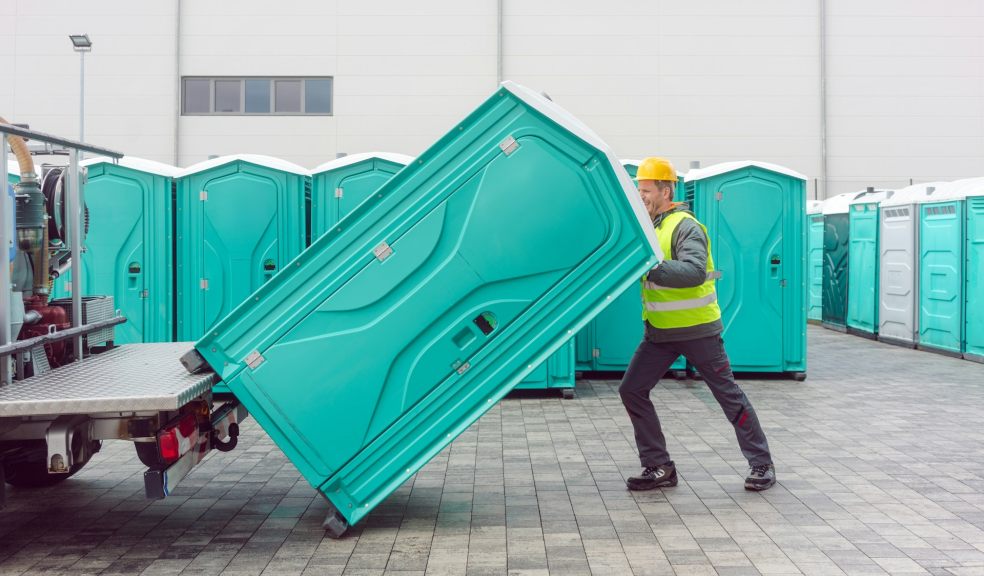
Where you place the toilets is just as important as how many you have. You want them to be easy to find without making them the focal point of the event venue. Look for level ground that can support the weight of the units and the service vehicles that need to drop them off. If the ground is soft or prone to mud, the delivery truck might get stuck, or the units could tip.
Think about the flow of foot traffic. Placing toilets near the food area is convenient, but you should maintain a respectful distance to keep smells and queues away from where people eat. For larger sites, it is often better to create a few smaller clusters of units rather than one massive block in a single corner. This layout prevents people from having to trek across the entire site when they are in a hurry.
Hygiene Beyond the Cubicle
A toilet unit alone is not enough to maintain a healthy environment. You must provide a way for guests to clean their hands. Many standard units come with hand sanitiser dispensers, but these are not always a complete substitute for soap and water, especially if food is being served.
Adding standalone handwashing stations or separate wash stations provides a much better experience. These portable sinks usually operate via a foot pump, which keeps the process touch-free and hygienic. If your site does not have direct water access, ensure your provider includes units with internal water tanks. Proper hygiene setups are a major factor in overall guest satisfaction.
Choosing the Right Type of Unit
The construction industry often uses basic chemical toilets because they are durable and functional for construction sites. However, for a wedding or a corporate gala, these might feel a bit too basic. You can now opt for a flushable toilet that hides the waste from view, providing a more 'at-home' feel.
For events where guest comfort is a priority, luxury trailer units offer a significant upgrade over individual plastic cabins. These trailers usually include integrated mirrors, vanity areas with sinks, and interior lighting. While the footprint of a trailer is larger and the cost is higher than that of single units, they provide the necessary capacity and finish for party rentals where attendees expect a higher level of amenity.
Practical Maintenance and Logistics
Even the best sanitation solutions will fail if they are not maintained during the event. For a one-day event, a pre-delivery clean and stock-up is usually enough. If your event spans several days, you must arrange for site services to come in overnight or during low-traffic periods. This service includes emptying the waste tanks, scrubbing the interiors, and replenishing supplies like toilet paper and soap.
Check the access requirements for the delivery vehicles. A standard service truck needs a fair amount of clearance. If your event is in a tight urban space or a remote field with narrow gates, tell the supplier beforehand. They may need to send a smaller vehicle or adjust the delivery schedule.
Timing and Booking
The peak season for outdoor gatherings is summer. If you are involved in event planning for a busy bank holiday weekend, you should book your portable restrooms several months in advance. Waiting until the last minute often leads to higher prices or, worse, having to settle for older, less reliable units.
When you contact a supplier, be specific about the start and end times of your event. Most companies deliver a day early and collect a day late. Confirm that the price includes delivery, setup, and final removal. Clarifying these details early prevents unexpected invoices later on.
Summary of Essentials
Managing toilets is about anticipating the needs of a crowd before they become a problem. By calculating the right numbers, ensuring easy access for both guests and service vehicles, and prioritising hand hygiene, you create a seamless experience. Reliable facilities stay in the background of a guest's mind, which is exactly where they should be. Focus on these practical steps to ensure your next event runs smoothly from start to finish.